
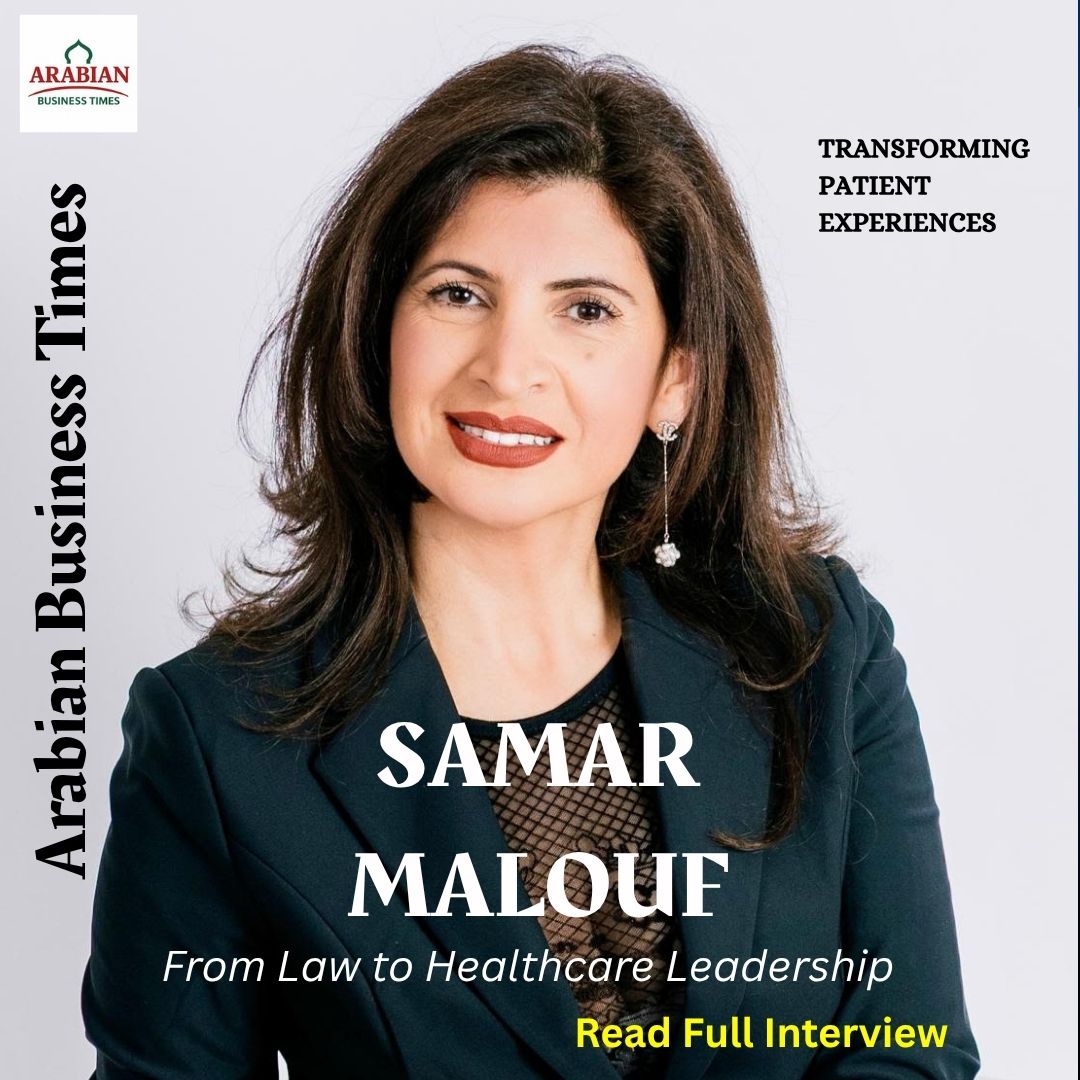
Samar Malouf
Admissions Director @ Optalis Health & Rehabilitation of Bloomfield Hills
- Group:top women leaders
Samar Malouf
Admissions Director @ Optalis Health & Rehabilitation of Bloomfield Hills
From Law to Healthcare Leadership: The Inspiring Journey of Samar Malouf, Director of Admissions at Optalis Healthcare
Samar Malouf is a director of admissions at Optalis Healthcare and a person who has had more than 11 years of experience in health and rehabilitation. Her profession incorporates a good sense of law and patient-oriented healthcare management.
She started her career as an attorney in Lebanon but later moved to the U.S. healthcare system, where she worked as an admissions officer, human resources officer, and operations officer. She now focuses on patient admission management, family support, and transition of care today.
She speaks Arabic, English, and French and is characterized by flawless communication, knowledge of cultural peculiarities, and an empathetic attitude towards patients.
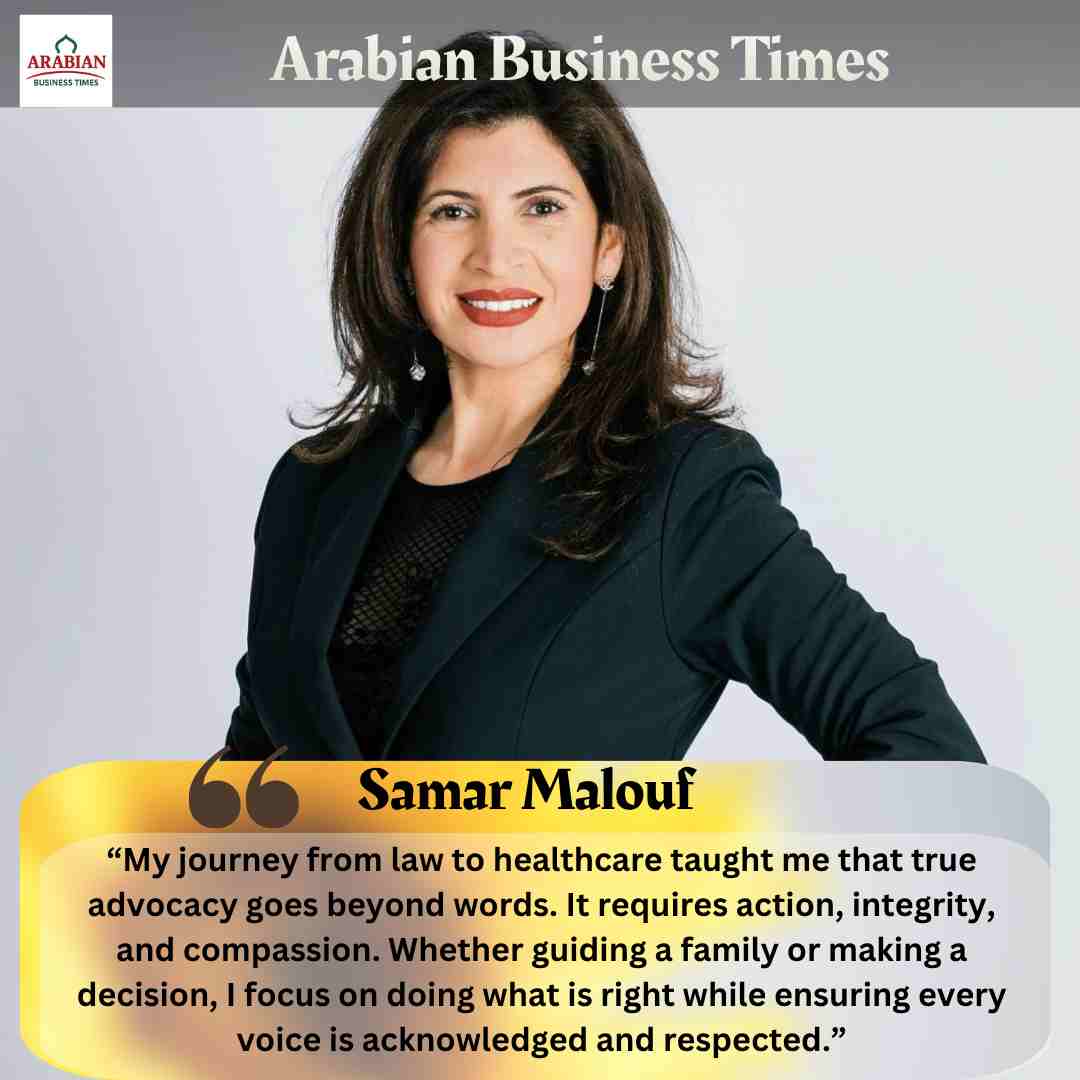
Interview with Samar Malouf
Director of Admissions at Optalis Healthcare
1. Your journey began in law and then moved into healthcare. What inspired this transition?
Samar Malouf:
My path was not a straight one, yet it has been accompanied by a need to assist people in a meaningful way. Being an attorney in Lebanon, I was close to people who needed some guidance, protection, and understanding in hard times. That experience influenced my attitude towards responsibility towards other people.
I have come to the United States and saw a chance to help the people in a more direct and human-centered manner. Healthcare enabled me to do so. It provided me with the opportunity to assist patients and families at some of the most vulnerable moments in their lives. It was not an easy transition and it was the right thing to do. I took my knowledge of law with me and with time, I saw how useful it was in a health care environment.
2. How has your legal background influenced your role in admissions and patient services?
Samar Malouf:
My law background has been very influential in the way I go about my work on a daily basis. It helped me to think, listen to the details, and realize how important it is to be fair and obeying to rules.
The decisions made in the case of admissions have numerous implications for both the patient and the organization. I never forget to ensure that such decisions are ethical, clear and in line with regulations. It also aids me in articulating policies to families in a manner that they comprehend. There are times when families get lost. It creates trust when you have the ability to simplify and be truthful.
Law education also made me confident to deal with complicated issues. I take each case responsibly and carefully, whether it is documentation, patient rights, or communication.
3. You have over a decade of experience in healthcare. How has that shaped your approach to patient care?
Samar Malouf:
You can learn certain things through experience, which cannot be taught through training. Over time, I have realized that each patient has a story, and each family has some concerns beyond the needs of the medical situation.
My current practice is a very personal one. I do not consider admissions as a mere process. I regard it as a starting point of the care journey of a person. Such an attitude transforms all things. It helps you to slow down where necessary, listen more attentively and act in empathy.
Balance is also something that I have learned. Medicine may be hectic, but you must not lose the human aspect of it. You become a part of the patients and their families, doing what they remember. It is something I bring with me in all the interactions.
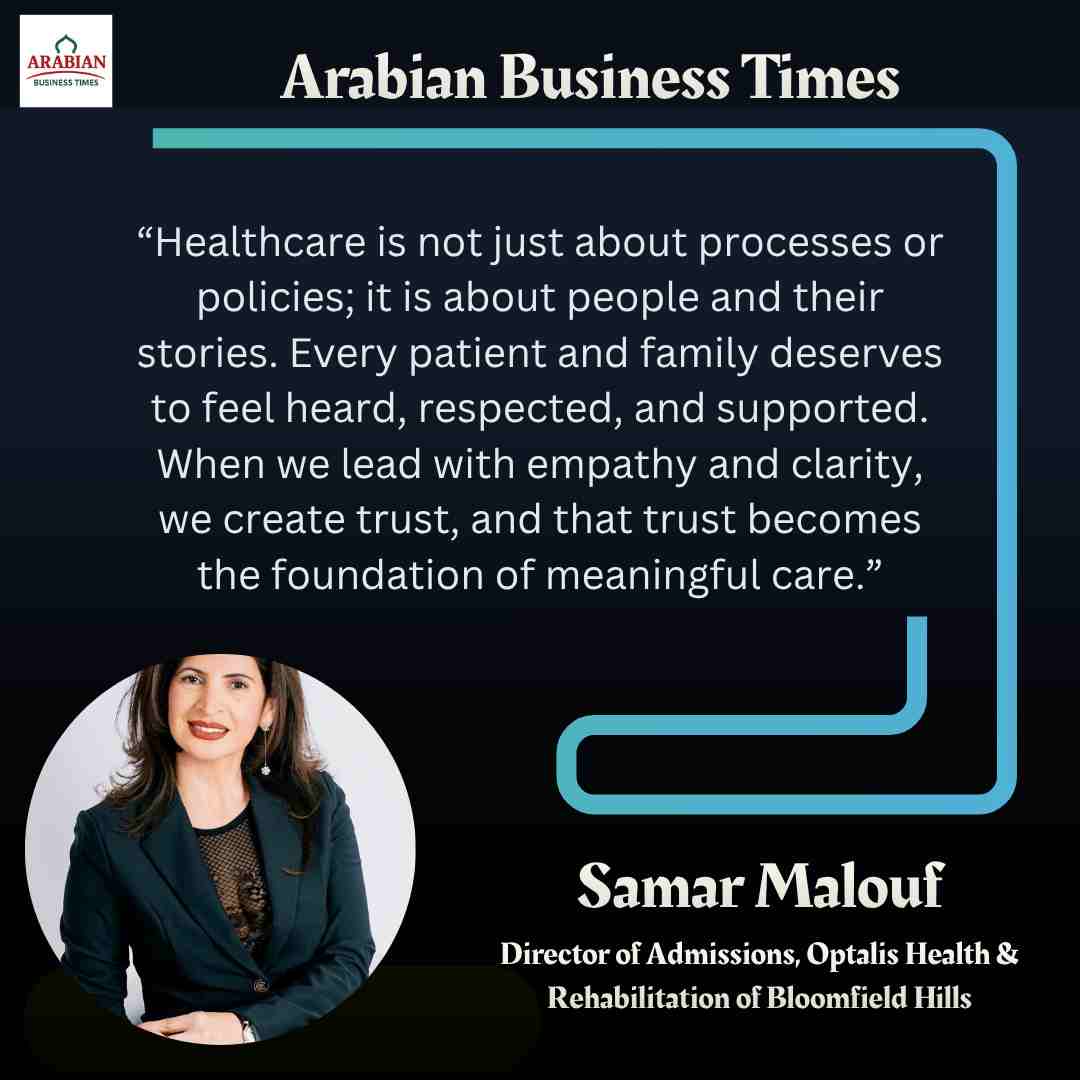
4. Admissions can often be a stressful process for families. How do you make it smoother for them?
Samar Malouf:
Communication is the initial step. Families usually visit us when they are in need of doubt. They can be nervous or disoriented. I ensure that I listen to their issues and respond to their queries with utmost honesty.
I also pay attention to being present. It is not always the information that is required by families, but reassurance. A peaceful and dignified dialogue can go a long way.
Meanwhile, I also collaborate closely with internal teams to make sure that everything is going well. Coordination is key. With efficient and organized processes, families are more assured of the care their loved ones will get.
5. You work in a fast-moving environment. How do you maintain both efficiency and empathy?
Samar Malouf:
It all depends on discipline and attitude. I am organized and plan as much as I can. That enables me to cope with tasks fast without being overwhelmed.
Efficiency must never be used instead of empathy. I remember there is a person behind each file or call that I should support. In hectic situations, a few extra seconds can make a difference to someone by listening or responding positively.
Teamwork is also a pillar on which I depend. With all in place and communication precise, it becomes more achievable to uphold pace and quality in our work.
6. You speak Arabic, English, and French. How has this helped you in your role?
Samar Malouf:
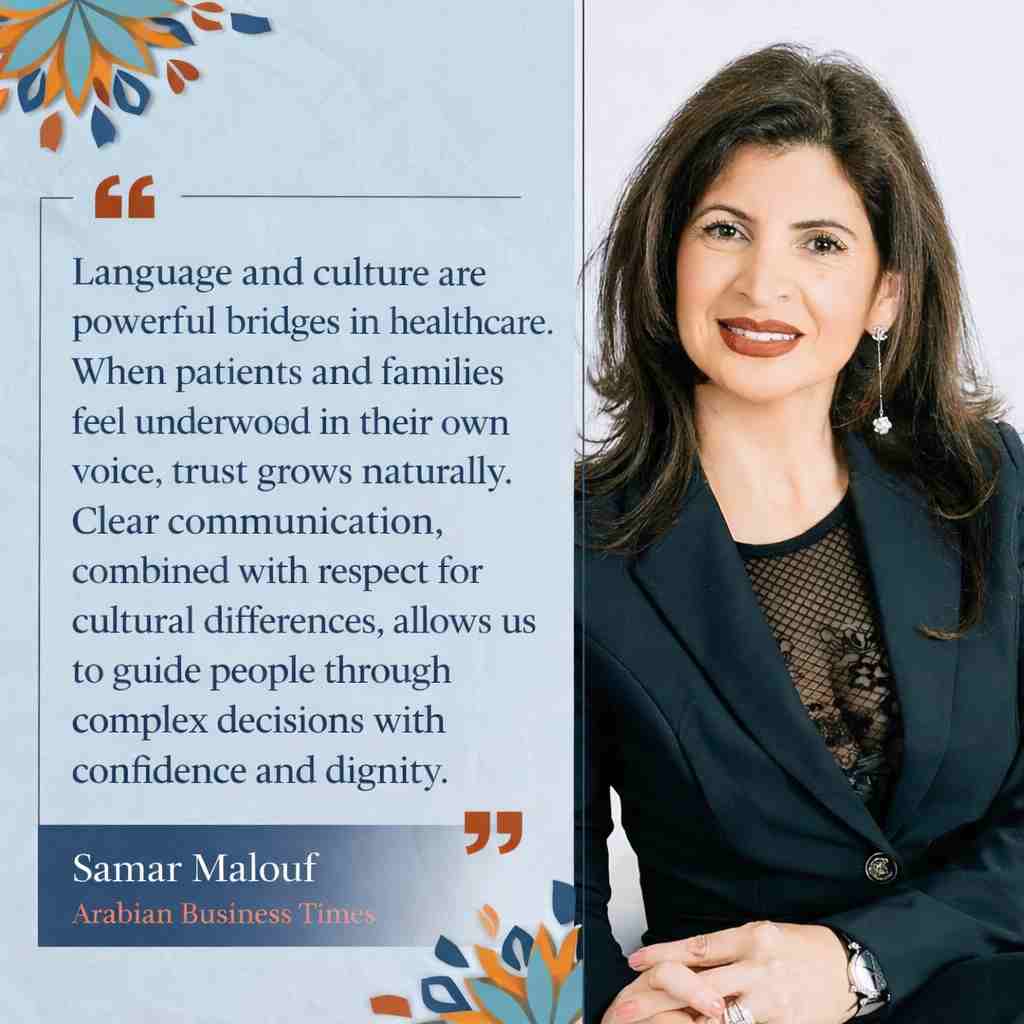
Language is not communication. It is a connection. The ability to communicate with patients and families using their language is the first step to building trust.
Most of the older patients feel more at ease communicating in their own language. They feel comprehended and valued when they are able to do so. It also helps to minimize confusion and simplify the whole process.
It is equally crucial that cultural understanding is known. Language assists in breaking that door. It enables me to relate to people on a more personal level and lead them in a clear and compassionate way.
7. You have worked with diverse and high-profile individuals. How do you balance professionalism and trust?
Samar Malouf:
Discretion and respect are the keys. All people have the right to privacy and dignity, irrespective of their background.
I am always professional. By that I mean listening to others attentively, talking with articulation, and staying within limits. Reliable relationships are developed with time, through dependability and integrity.
This is also assisted by my legal background. It supports the significance of confidentiality and ethics. Individuals feel free to open up and share their needs when they are assured that their information is secure.
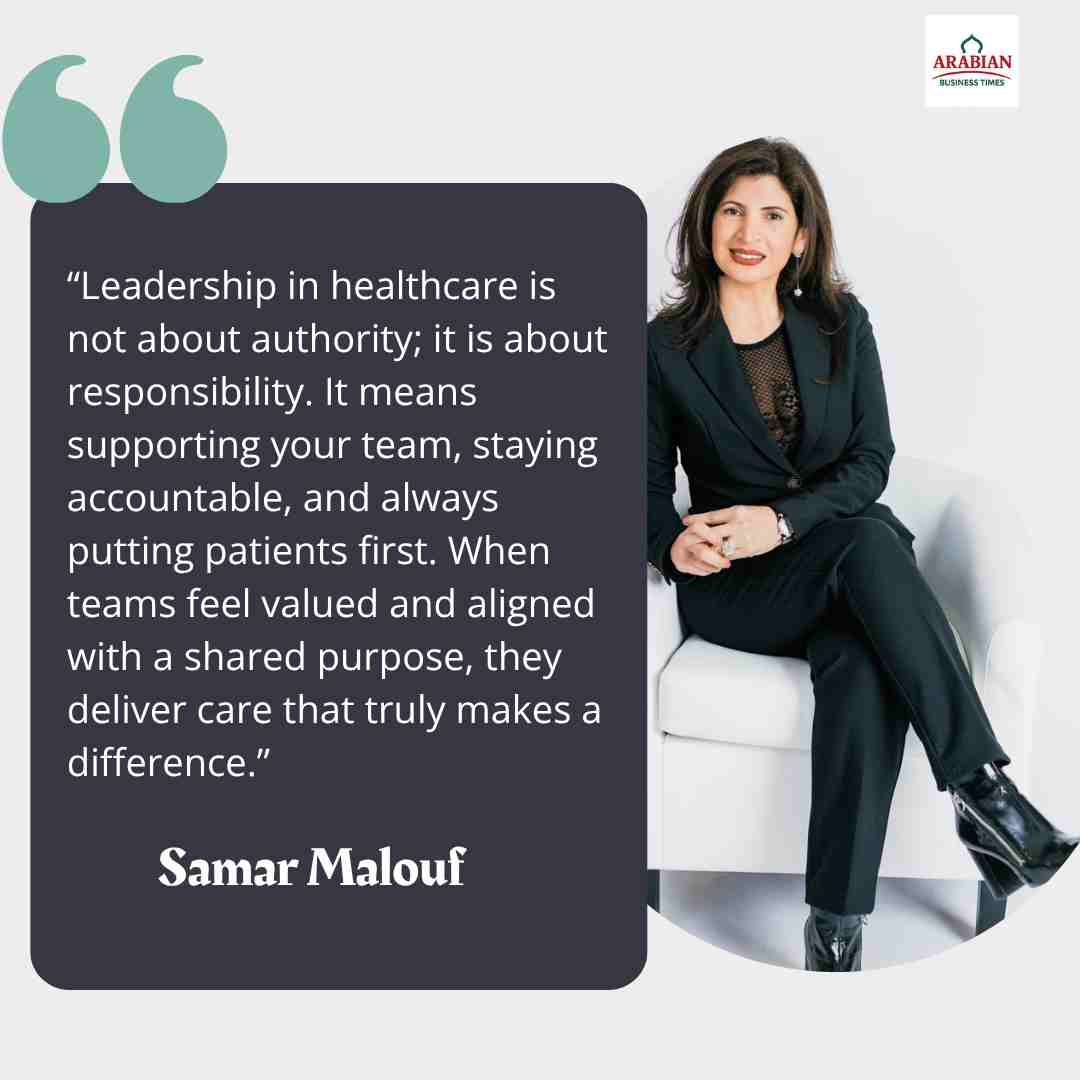
8. What leadership qualities have helped you grow into your current role?
Samar Malouf:
Leadership has nothing to do with control. It is helpful and understanding. I am of the opinion that I set expectations and I ensure I give people a sense of being important to me.
I lay emphasis on communication. Team members perform better when roles are well defined and when they feel listened to. I am also a growth promoter. Everybody should be able to learn and to get better.
At the same time, accountability is important. Trust is a key to a strong team; consistency and responsibility lead to trust.
9. How do you build strong relationships with referral partners and healthcare providers?
Samar Malouf:
Relationships are built on reliability. When partners are sure of your dependence, they will not give up working with you.
I pay attention to effective and punctual communication. I ensure that they possess the necessary information, be it a hospital, physician or care coordinator. I also chase and keep in touch.
Meanwhile, I am aware of their priorities. When you honor their aspirations and collaborate, it will result in a more powerful alliance. In the long run, these connections turn out to be a basis of development.
10. What role does faith play in your professional life?
Samar Malouf:
Religion is a guiding principle in my approach to work. It helps me remember to be kind, patient and upright.
In the medical field, you encounter individuals in challenging times. Religion keeps me down to earth and kind. It teaches me to respect and treat each individual with dignity.
It also makes me strong. It has its difficult days, but with faith, I am able to focus on the reason why I am working.
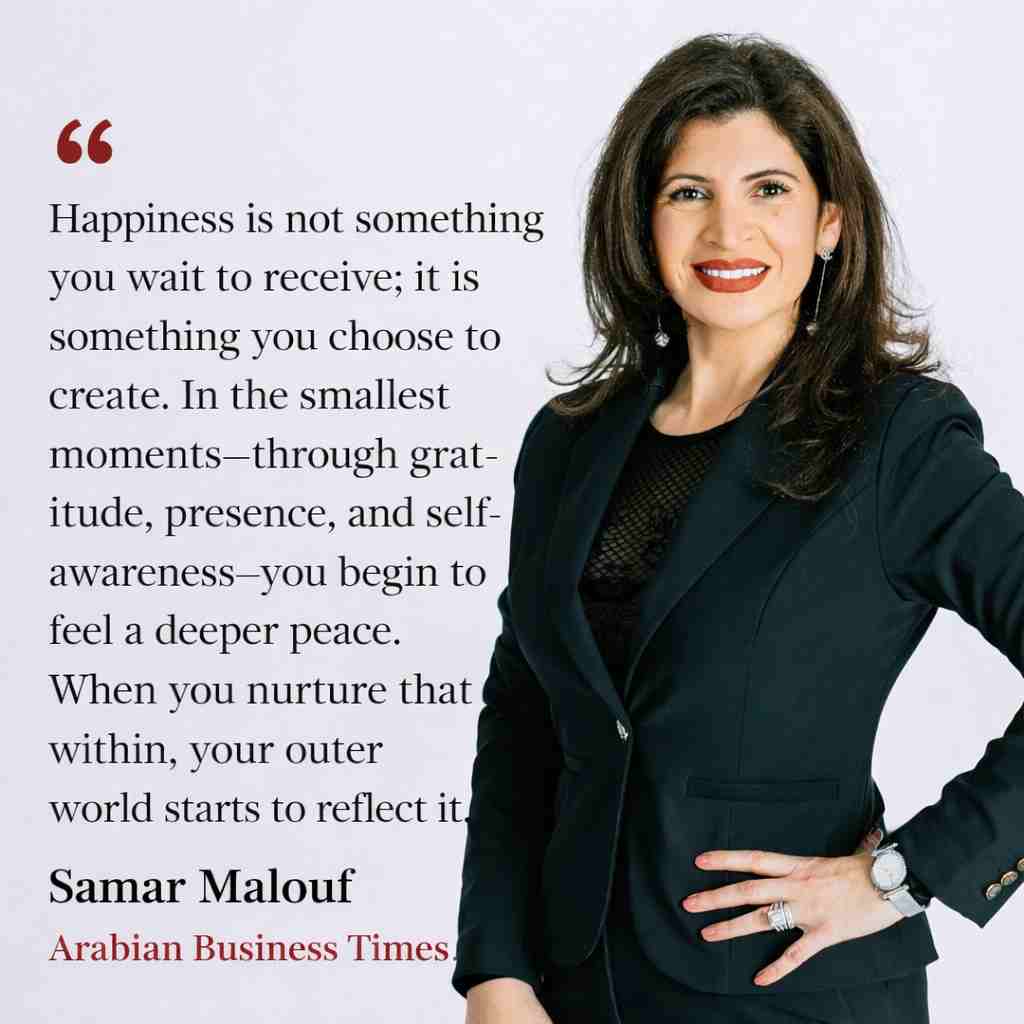
11. What challenges have you faced in your journey, and how did you overcome them?
Samar Malouf:
Adjusting to a new country and a new industry was one of the greatest challenges. It is never easy to start anew. System, expectation and culture are different.
I took it bit by bit. I kept myself receptive to learning and strived to know the healthcare world. I have also used my previous experience. Transferable skills include communication and problem-solving.
Gradually, these difficulties turned into opportunities. They assisted me in developing and becoming stronger.
12. What advice would you give to professionals who want to grow in healthcare leadership?
Samar Malouf:
Keep in mind that people are the most important. Health care is not merely a matter of systems or processes. It concerns the lives of humans.
Be open to learning and changing. You learn something valuable out of every experience. Fear not difficulties. They usually result in development.
Another aspect is to establish good relationships. Trust is all, whether it is with the patients, family, or fellow workers. When individuals have faith in you, your work is more significant and effective.
Lastly, be loyal to your values. Success is not merely a matter of status or status. It is regarding the impact you have on the lives of other people.
Closing Note
Samar Malouf’s journey reflects resilience, compassion, and a deep commitment to service. From law to healthcare, she has built a career that blends knowledge with empathy, creating meaningful impact in every role she takes on.
Her guiding belief remains simple yet powerful:
“Faith in service, compassion in care.”
Connect with Her: