
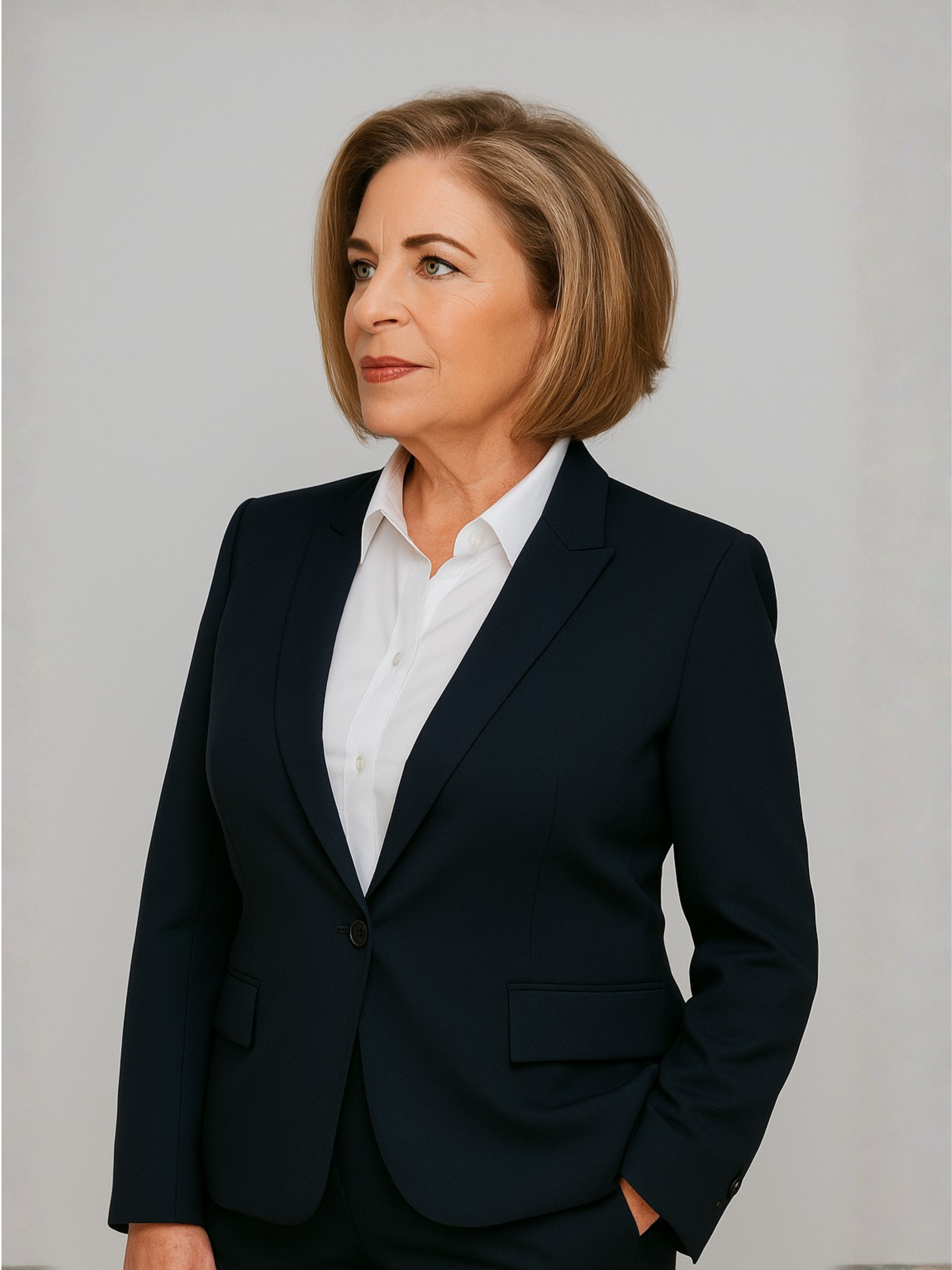
Sofica Bistriceanu
Family Physician, PhD
- Group:top women leaders
Sofica Bistriceanu
Family Physician, PhD
Family Physician, Researcher in Primary Healthcare
Dr. Sofica Bistriceanu, MD, PhD, is a distinguished family physician whose career reflects a rare blend of medical expertise, research excellence, and deep human understanding. She has over 30 years of experience in family medicine, and she has devoted her career to enhancing the quality of patient care and experimenting with the strength of communication, health, and well-being.
In addition to her clinical practice, she actively participates in international forums of research and academic publications. In this interview, Dr. Bistriceanu discusses her background and the experiences that led to her path, obstacles she had to overcome, and what she hopes patient-centred healthcare will look like in the future.
Amira: To begin with, could you tell us a little about yourself and your journey in medicine?
Dr. Sofica Bistriceanu:
I am a family physician, and I have always wondered how various aspects of life affect health. I also graduated from the University of Iași, Romania, and I went on to my research training in family medicine at Maastricht University in the Netherlands. My practice has expanded over the years in a variety of areas: patient care, research, and involvement in international medical communities.
I was interested in family medicine as it enables a physician to establish long-term relationships with patients and their families. You do not interact with a person once because you tend to read their story over many years. You observe the way lifestyle, family life, environment, and even emotional experiences influence their health. This type of long-term orientation renders family medicine very special.
My private practice has also developed a medical home model over a decade ago. The concept is straightforward: deliver personalized and constant care and establish a positive relationship with the patients. Besides my clinical practice, I have been able to present my research at numerous international conferences and publish in medical journals. I am also a member of editorial boards and professional organizations that aim at enhancing healthcare and communication with the patients.
My other passion is writing poetry outside of medicine. I have published seven books of poetry, and writing enables me to think about my life and the human aspect of the business.
Amira: What inspired you to choose family medicine as your field?
Dr. Sofica Bistriceanu:
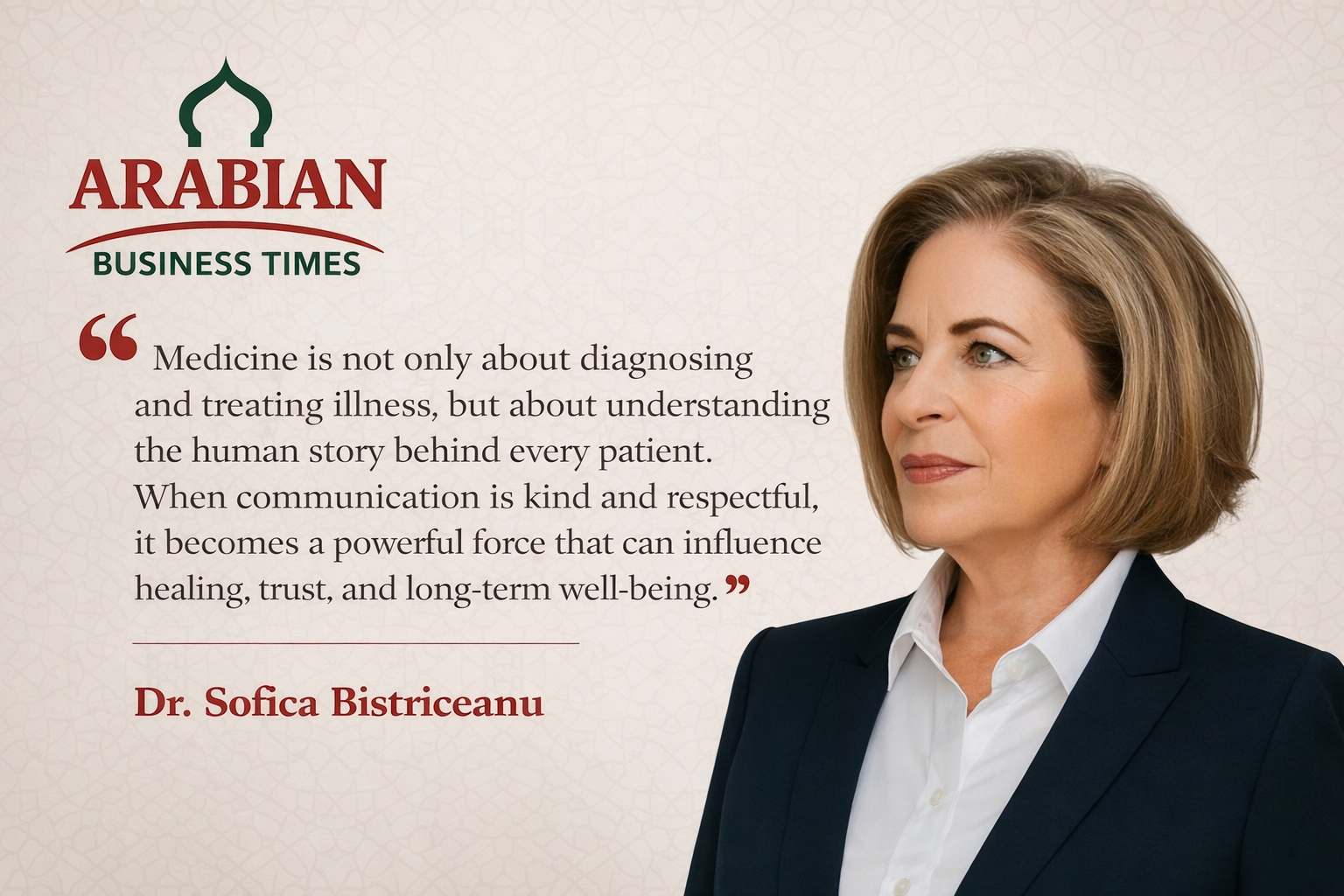
The most appealing aspect to me with family medicine was the ability to follow health in the long-term. Treating the same family over the years, you start to realize that there are a lot of factors that can impact the health of a person: genetics, lifestyle, education, relationships, and environment.
With time, the observations also made me recognize the intensity of influence of communication and emotional experiences on well-being. That discovery influenced my practice of medicine.
This idea is demonstrated through the medical home model that I presented in my practice. A large number of patients, particularly the elderly with some heart problems or mobility challenges, would be more at ease when they are at home and do not necessarily have to drive to clinics or hospitals in search of health care services. They would also find it easier to be treated in a familiar environment, which will minimize the stress and make the experience more enjoyable.
Technology has also served to enhance access to care. Nowadays, we have an opportunity to mix traditional consultations with e-visits in case of necessity. Such flexibility allows physicians to better cope with their workload, as well as enables patients to be able to get support in a timely manner.
Amira: Every career comes with challenges. What were some of the major ones you faced?
Dr. Sofica Bistriceanu:
The introduction of the medical home model as a private practice was one of the largest challenges in my professional experience. There is always uncertainty when there is a new thing. Patients must have faith in the system and the outcomes should reflect that the model is really helpful to them.
The quality of healthcare services is of great concern to people. They examine the communication style of doctors, accessibility of service, and whether the price is reasonable. The reputation is also a significant factor, particularly in the sphere of healthcare, where trust is an indispensable element.
The benefit of the medical home model is that it minimizes a lot of prevalent challenges. Patients also do not have to travel very often, and they get the care in a comfortable environment. In the long-run, this strategy enhances the physician-patient relationship.
The other difficulty has been keeping up with the ever-changing medical world. I have participated in numerous conferences and worked with researchers in other countries. These events enabled me to keep on learning and to share ideas with other colleagues worldwide.
Amira: Could you share some memorable milestones from your career?
Dr. Sofica Bistriceanu:
I have had numerous experiences that I have remembered. In 2002, when I gave my first international research project at the WONCA Europe Conference in London, one of them was one of the first. The poster about the advantages of bed rest in case of acute bronchitis was chosen to be discussed, which was quite encouraging at that point in my career.
Another key event was in 2006 at the NAPCRG Annual Meeting in Tucson, Arizona. My poster, which was based on my doctoral thesis, was rated as excellent among hundreds of presentations.
Later that year, I won the NICHQ Annual Forum in Orlando, the award for the Most Creative Storyboard. The project was aimed at enhancing the medical unit’s waiting time management and communication skills. I have applied one of my poems, the Snowball, as the outline for developing the idea.
Later in life, I would keep on presenting research work related to communication in healthcare. These projects were identified at various conferences around the world and some of them were even awarded as best poster or best presentation.
Amira: Your research focuses strongly on communication and its effects on health. Why is this area so important to you?
Dr. Sofica Bistriceanu:
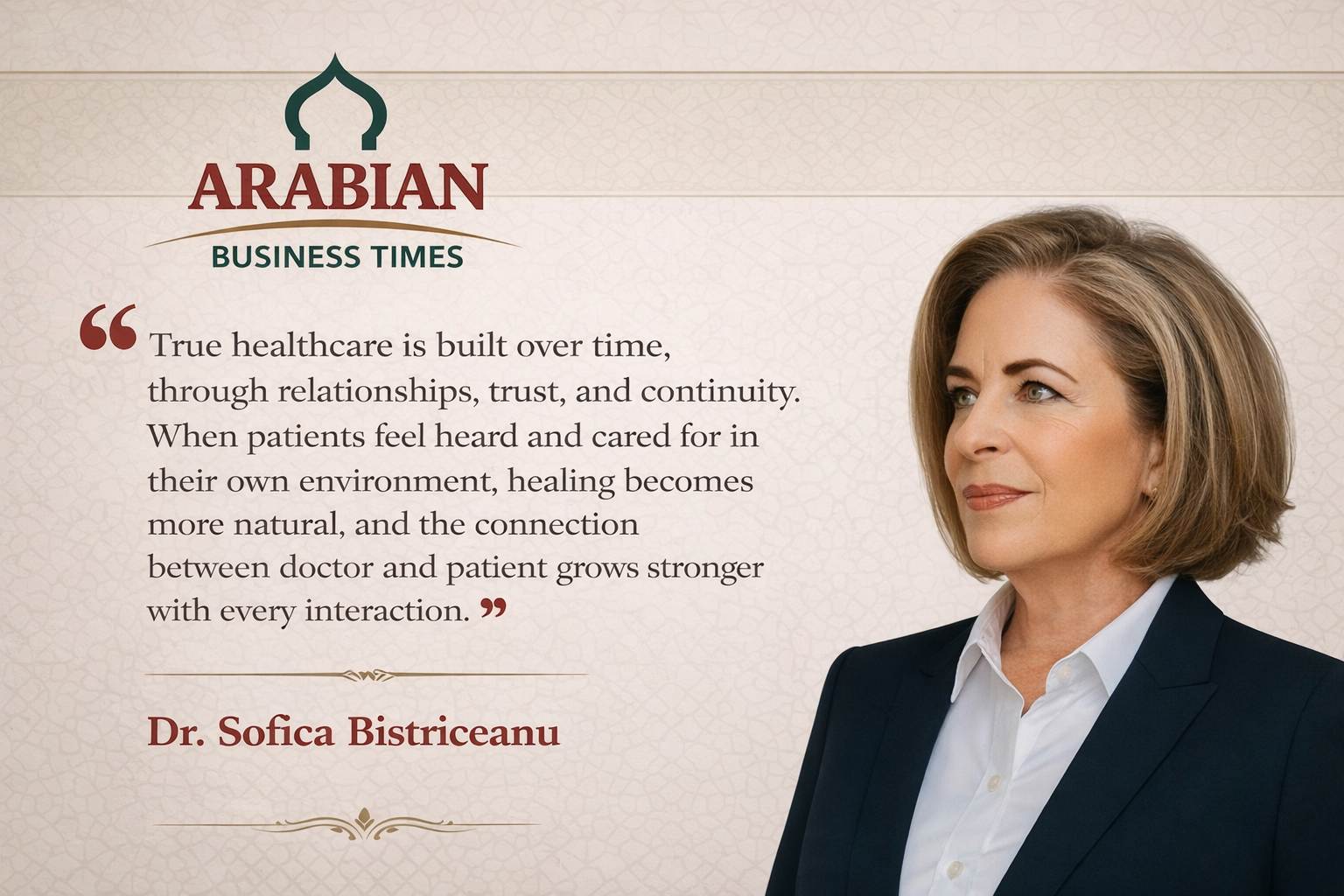
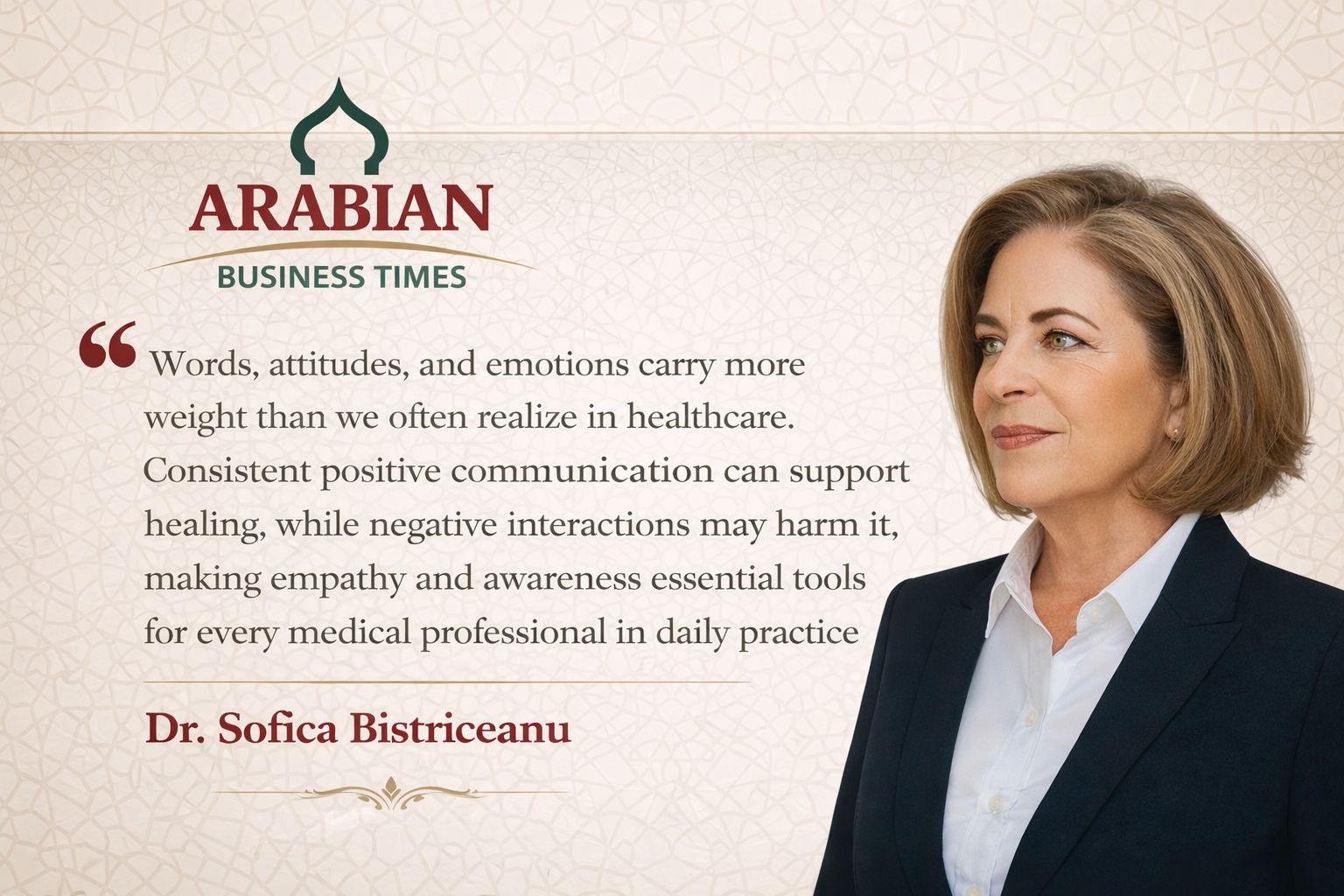
Over the years of clinical experience, I observed that communication can have a strong impact on human health. People can be influenced more by words and attitudes than we can sometimes realize.
Repeated negative or disrespectful communication could promote stress-related conditions in vulnerable individuals. These may involve elevated blood pressure, metabolic disturbances or emotional suffering. In the long run, such stress can aggravate pre-existing health issues.
Due to these observations, I started learning about the connection between communication patterns and health outcomes. I am trying to make healthcare professionals and communities more conscious of the role of communication in well-being.
Medical practice should always have respectful and caring interactions as a key element.
Amira: How do you evaluate the effectiveness of your work as a physician?
Dr. Sofica Bistriceanu:
In my case, I consider the best honest sign is the response of patients and their families to the treatment they get.
When they express appreciation, trust, and loyalty, it implies that the relationship is founded on respect and understanding. Families will go to the same doctor generation after generation, and that is very significant.
Children provide possibly the most honest feedback. When you end a consultation by asking a child whether he or she would like to visit again, as he or she answers it with a great smile and a yes, you are sure that the visit was successful. Children do not conceal their emotions and thus, their reactions are quite revealing.
Amira: What qualities do you believe are essential for good leadership in healthcare?
Dr. Sofica Bistriceanu:
Leadership needs responsibility and consciousness of the people surrounding you. A leader should be able to remain alert to day-to-day work, besides assisting colleagues and team members.
Goodness, integrity, and readiness to accept new ideas are valued. A good leader admires the efforts of others and forms an atmosphere in which everyone will feel appreciated.
The concept of leadership is not about power. It has to do with gaining trust and promoting cooperation.
Amira: As a woman in medicine, how do you see the evolving role of women in society?
Dr. Sofica Bistriceanu:
The position of women has been transformed significantly. Women are nowadays occupying leadership roles in a wide variety of professions, including the healthcare sector.
Women are also very sensitive to emotional signals on most occasions. This will assist in establishing improved communication with patients and enhancing the quality of care.
Kind work is always remembered by individuals who are experiencing tough times.
The knowledge of various elements of communication may also allow professionals to generate new concepts and enhancements in health care systems.
Amira: What are your goals for the coming years?
Dr. Sofica Bistriceanu:
Another field that I am keen on is how cultural differences are impacted on health and communication. Culture defines how individuals communicate their feelings, cope with stress and deal with the medical practitioners.
The study of these differences can assist physicians in getting to know their patients better and create more efficient strategies to treat them.
Amira: Finally, what advice would you offer professionals about maintaining balance in their lives?
Dr. Sofica Bistriceanu:
My recommendation is extremely straightforward: be attentive to burnout.
Burnout may gradually undermine all the efforts that you have made in a very demanding profession such as medicine. It is imperative to take care of yourself.
Professionals are more equipped to give support and care to others when they balance their lives.