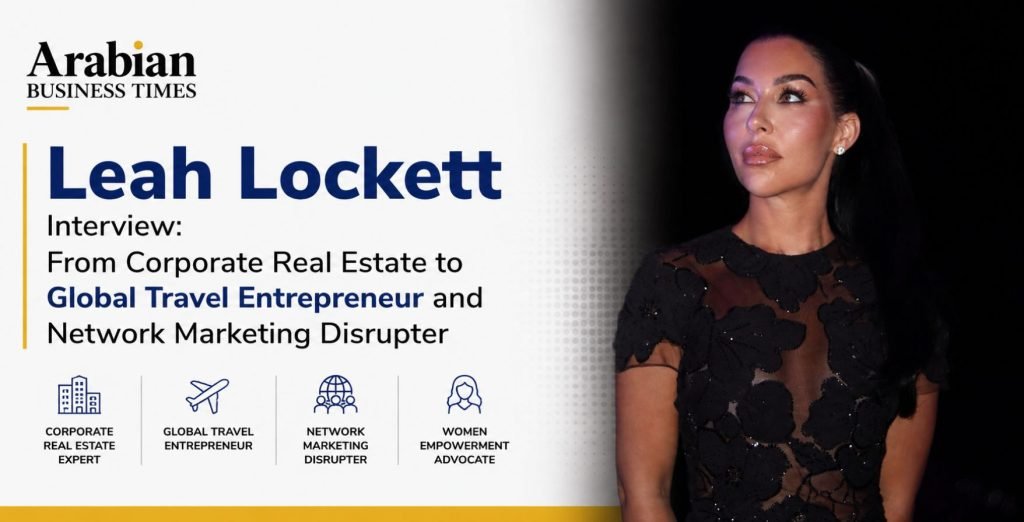
Leah Lockett’s journey from a successful career in corporate real estate to becoming a global entrepreneur, keynote speaker, and influential voice in travel and network marketing is a story of courage, reinvention, and challenging conventional ideas of success. Rather than simply pursuing career progression and financial stability, Lockett wanted greater control over her time, the freedom to work from anywhere, and the opportunity to build an income beyond traditional limitations. Today, she leads a global organisation, trains entrepreneurs around the world, and champions a modern approach to network marketing built around personal branding, valuable content, genuine relationships, and digital influence. Her philosophy reflects a broader shift in entrepreneurship’; where flexibility, authenticity, technology, and human connection are becoming increasingly important to building businesses that create both financial opportunity and meaningful impact.
You transitioned from corporate real estate to becoming a globally recognized leader in the travel and network marketing industry. What inspired that bold career move, and what were the biggest challenges you faced during the transition?
Leah Lockett: I never actually set out to build a business in network marketing. My background was in corporate real estate, where I was fortunate to build a successful career at a young age. From the outside, it looked like I had everything—a great income, career progression, and stability. But what I realised was that success and freedom aren’t always the same thing.
I wanted a life where I had complete control over my time, where I could work from anywhere in the world, and where my income wasn’t capped by the number of hours I worked. Travel has always been a huge passion of mine, so when I discovered an opportunity that combined entrepreneurship with the world’s largest industry, it completely changed my perspective.
The biggest challenge wasn’t learning the business—it was unlearning everything I believed about success. In the corporate world you’re rewarded for fitting into a system. As an entrepreneur you’re rewarded for creating one.
Like many people entering network marketing, I also had to overcome the opinions of others. There are plenty of misconceptions about the profession, but I’ve always believed that criticism usually comes from people who haven’t taken the time to understand the business model. Rather than arguing with opinions, I focused on building results. Over time, those results spoke far louder than I ever could.
Today I’ve built a global organisation spanning multiple countries, helped hundreds of people create life-changing incomes, trained thousands of entrepreneurs around the world, and been fortunate enough to speak on some of the industry’s biggest stages. Looking back, leaving corporate wasn’t the risky decision. Staying somewhere that limited my potential would have been.
The biggest lesson I’ve learned is that growth rarely feels comfortable. Every major breakthrough in my life has come immediately after making a decision that scared me. If you wait until you feel ready, you’ll probably be waiting forever.
Success isn’t about avoiding uncertainty—it’s about becoming the kind of person who can thrive in it.
You’ve helped thousands of people build businesses in the travel industry. What makes travel such a powerful entrepreneurial opportunity, and why do you believe it continues to attract aspiring business owners worldwide?
Leah Lockett: Travel is one of the few industries that touches almost everyone. Whether it’s business travel, family holidays or luxury experiences, people consistently prioritise creating memories. Even during periods of economic uncertainty, people often adjust how they travel rather than stop travelling altogether.
What makes it such a compelling entrepreneurial opportunity is that you’re building a business around something people already love and purchase. Rather than creating demand, you’re participating in an existing global economy worth trillions of dollars.
I also believe we’re seeing a fundamental shift in what people want from their careers. More people are questioning the traditional path of exchanging time for money. They’re looking for flexibility, additional income streams and businesses that can operate digitally from anywhere in the world.
The travel industry naturally aligns with that lifestyle. It allows entrepreneurs to build businesses that are location independent while helping others experience the world. For me, that’s always been about much more than booking holidays. It’s about creating freedom—financial freedom, time freedom and the freedom to design a life on your own terms.
You often describe yourself as a ‘network marketing disrupter.’ What does disruption mean to you, and how are you redefining leadership and success within the industry?
Leah Lockett: To me, disruption means challenging assumptions that no longer serve people.
For years, our profession relied heavily on outdated recruitment methods, scripted conversations and approaching friends and family. Today’s entrepreneur deserves something better.
I’ve built my business by treating network marketing like a modern personal brand. I teach people how to create valuable content, develop authority, understand consumer psychology and build genuine relationships online before ever talking about business.
Leadership has evolved too. I don’t believe leaders should create followers; they should create independent thinkers who can eventually lead without them.
Success isn’t measured solely by income or rank. It’s measured by the number of lives you’ve genuinely impacted, the opportunities you’ve created for others and the legacy you leave behind. If you can build people while building a business, you’ve created something that lasts.
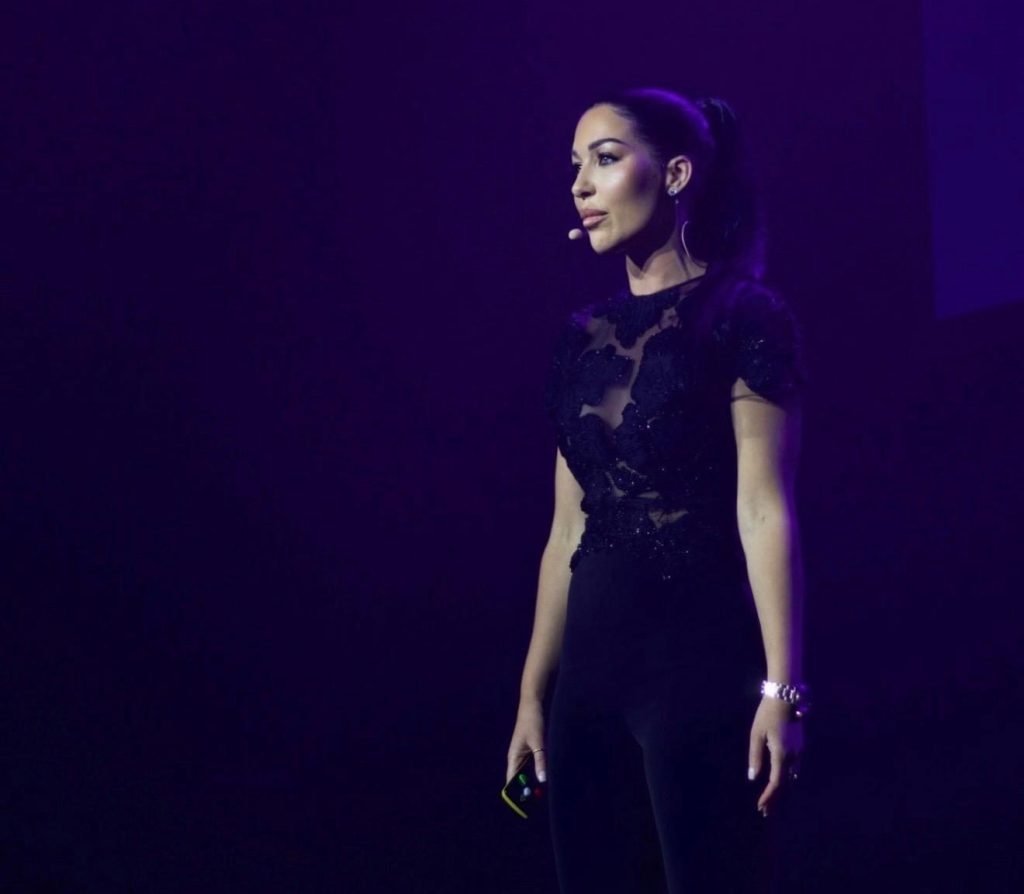
As an international keynote speaker, you’ve addressed audiences ranging from intimate leadership retreats to arenas with over 10,000 people. What are the key ingredients of a message that truly inspires people to take action?
Leah Lockett: People rarely remember every statistic you share, but they’ll always remember how you made them feel.
The most impactful messages combine authenticity, practical strategy and belief. An audience doesn’t need another motivational speech that disappears by the next morning. They need to leave believing that their circumstances don’t define their future and with a clear understanding of what to do next.
I’m also a big believer in vulnerability. Some of the moments audiences connect with most aren’t the stories about success—they’re the stories about setbacks, doubt and resilience. Those experiences create trust because they’re real.
Ultimately, great speaking isn’t about performing. It’s about serving. If people leave the room thinking differently about what’s possible for their own lives, then you’ve done your job.
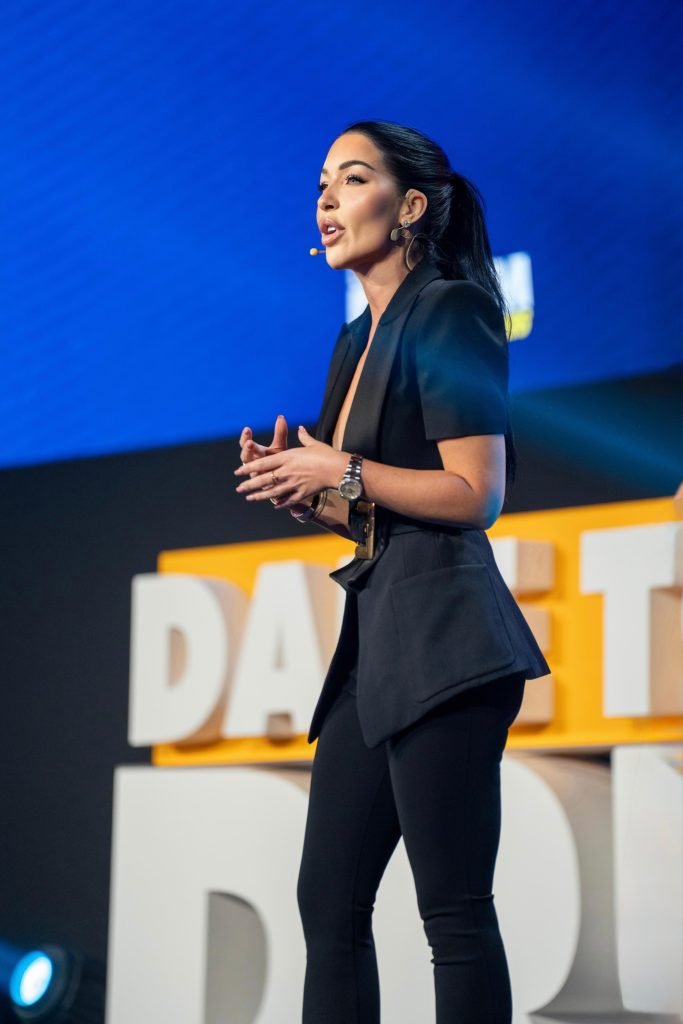
Sales psychology and personal branding are central to your coaching philosophy. What common mistakes do entrepreneurs make when trying to grow their businesses, and how can they build authentic influence instead of simply chasing followers?
Leah Lockett: One of the biggest misconceptions is believing that more followers automatically mean more success.
Influence isn’t measured by audience size; it’s measured by trust. I’d rather help someone build a community of 10,000 people who genuinely believe in them than an audience of one million who never engage.
The second mistake is trying to appeal to everyone. The strongest brands stand for something. They have clear values, a recognisable voice and the confidence to be polarising when necessary. If nobody disagrees with you, chances are you’re not saying anything memorable.
Finally, many entrepreneurs underestimate the importance of consistency. Personal branding isn’t built through one viral post. It’s built through showing up repeatedly, delivering value and becoming known for solving a specific problem.
People don’t buy perfection. They buy credibility, authenticity and confidence.
Women are playing an increasingly significant role in entrepreneurship and leadership. From your experience, what qualities help women build sustainable businesses while leading with confidence and authenticity?
Leah Lockett: I think women often underestimate how powerful their own perspective can be.
Some of the most successful female entrepreneurs I’ve worked with stopped trying to lead like someone else and started leaning into their own strengths—whether that’s emotional intelligence, empathy, creativity or resilience.
Confidence doesn’t come before action; it comes because of action. Waiting until you feel completely ready usually means you’ll never begin.
I also believe women need to become more comfortable taking up space. Too often we’re conditioned to seek permission, minimise our achievements or apologise for our ambition. Yet the business world rewards people who communicate their vision clearly and lead decisively.
The women who build sustainable businesses are those who remain authentic while continuously developing themselves. They understand that leadership isn’t about having all the answers—it’s about creating an environment where other people can succeed too.
The digital economy has transformed the way people build brands and businesses. How have social media, technology, and AI changed the landscape of entrepreneurship, and what opportunities do you believe entrepreneurs should embrace?
Leah Lockett: We’re living through one of the greatest democratisations of opportunity in history.
Twenty years ago, building a global brand required enormous marketing budgets. Today, someone with expertise, consistency and a smartphone can reach millions of people.
Social media has levelled the playing field. AI is accelerating productivity. Technology has removed many of the barriers that once prevented people from starting businesses.
That said, AI will never replace trust. It can create content, analyse data and automate processes, but people still buy from people they believe in.
The entrepreneurs who thrive over the next decade will use AI to become more efficient while investing even more heavily in their personal brand, relationships and community. Technology should enhance human connection, not replace it.
Throughout your career, you’ve consistently challenged conventional thinking and encouraged people to step outside their comfort zones. How important is mindset in achieving long-term business success?
Leah Lockett: Mindset is the foundation that everything else is built upon.
Strategy matters, but strategy without resilience rarely survives the inevitable challenges of entrepreneurship. Every successful founder has faced rejection, uncertainty and setbacks. The difference is how they interpret those experiences.
I’ve always believed that your identity determines your outcomes. If you constantly see yourself as someone who isn’t ready, isn’t capable or isn’t successful enough, your behaviour will reflect that belief.
Developing the mindset of an entrepreneur means becoming comfortable with uncertainty, making decisions despite imperfect information and understanding that failure is feedback rather than finality.
Business grows at the same pace that you do.
Looking ahead, what trends do you believe will shape the future of the travel industry, network marketing, and entrepreneurial leadership over the next decade?
Leah Lockett: I believe three trends will define the next decade.
First, personal branding will become even more valuable than corporate branding. Consumers increasingly want to know the people behind the businesses they support.
Second, AI and automation will dramatically improve efficiency, but they’ll also make authenticity even more valuable. Human connection will become a premium.
Third, flexibility will become one of the world’s most sought-after currencies. More people are prioritising freedom over traditional career paths, and businesses that offer location independence, multiple income streams and meaningful community will continue to grow.
In travel specifically, I think we’ll see increasing demand for premium, personalised experiences rather than simply transactional bookings. People are investing more in experiences that enrich their lives, and that’s a trend I expect to continue.
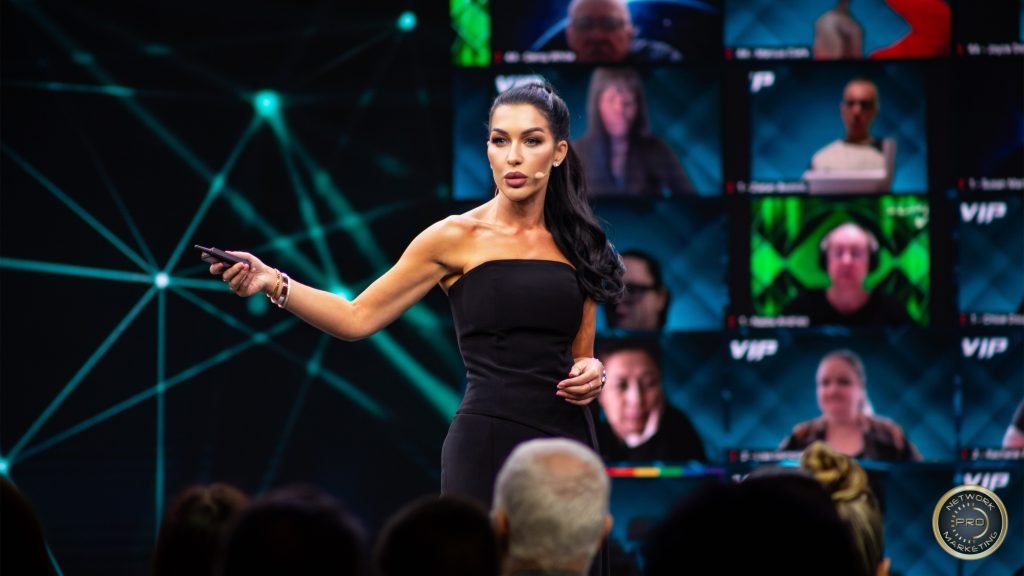
Finally, what advice would you give to aspiring entrepreneurs who dream of building a profitable business, achieving financial freedom, and creating meaningful impact while staying true to their values?
Leah Lockett: Stop waiting for certainty.
Almost every successful entrepreneur I know started before they felt ready. They didn’t have all the answers—they simply committed to figuring things out along the way.
Focus on solving real problems, building genuine relationships and becoming exceptionally good at one thing before trying to do everything.
Understand that success is rarely linear. There will be setbacks, criticism and moments where you’ll question yourself. Those moments aren’t signs you’re on the wrong path; they’re often signs you’re growing.
Most importantly, define success for yourself. Financial freedom is important, but real wealth also includes your health, your relationships, your time and the impact you leave on other people.
Build a business that supports the life you want—not a life that becomes consumed by the business.
Optional Closing Question: What personal philosophy or life principle has guided your success, and what message would you like to share with the next generation of entrepreneurs, leaders, and changemakers?
The philosophy that’s guided my life is simple: become the person capable of creating the life you want.
We spend so much time chasing goals, but goals are really a by-product of personal growth. As you expand your thinking, your skills, your resilience and your standards, your results naturally begin to change.
I’ve never believed that extraordinary lives are reserved for extraordinary people. More often, they’re built by ordinary people who make extraordinary decisions consistently over time.
To the next generation of entrepreneurs, I’d simply say this: don’t be afraid to think differently. Don’t let other people’s limitations become your own. Stay curious, keep learning, embrace change and never underestimate what can happen when preparation meets courage.
The future belongs to those who are willing to create it, not simply wait for it.
Conclusion
Leah Lockett’s story demonstrates that meaningful success often begins with the decision to question the path that once seemed secure. From leaving corporate real estate to building a global organisation and redefining how entrepreneurs approach network marketing, her journey is rooted in the belief that people can create businesses, and lives; that align with their own definition of freedom. Her message is particularly relevant in an increasingly digital economy: use technology and AI to improve efficiency, but never lose the trust, authenticity, relationships, and human connection that drive lasting influence. For aspiring entrepreneurs, her advice is clear, stop waiting for certainty, take action before you feel completely ready, continue developing yourself, and build a business that supports the life you genuinely want.