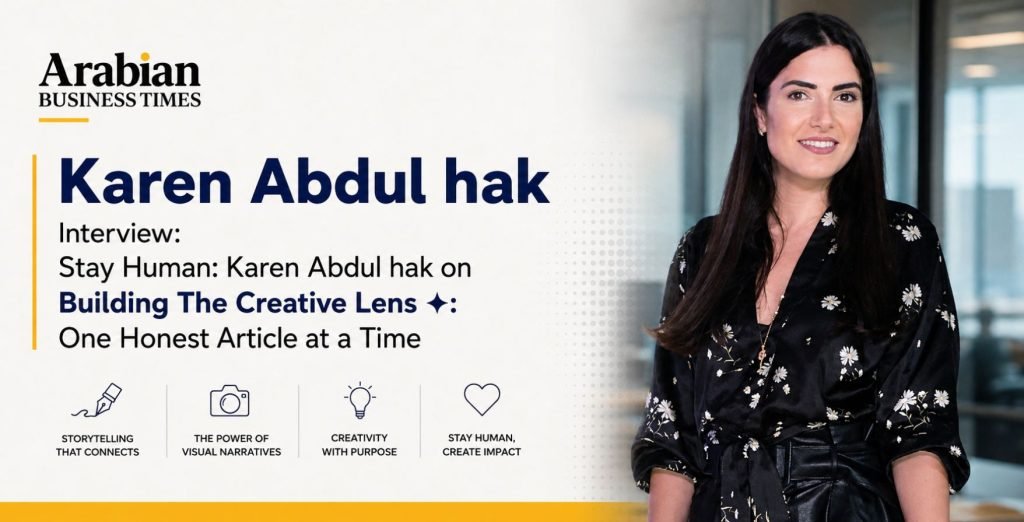
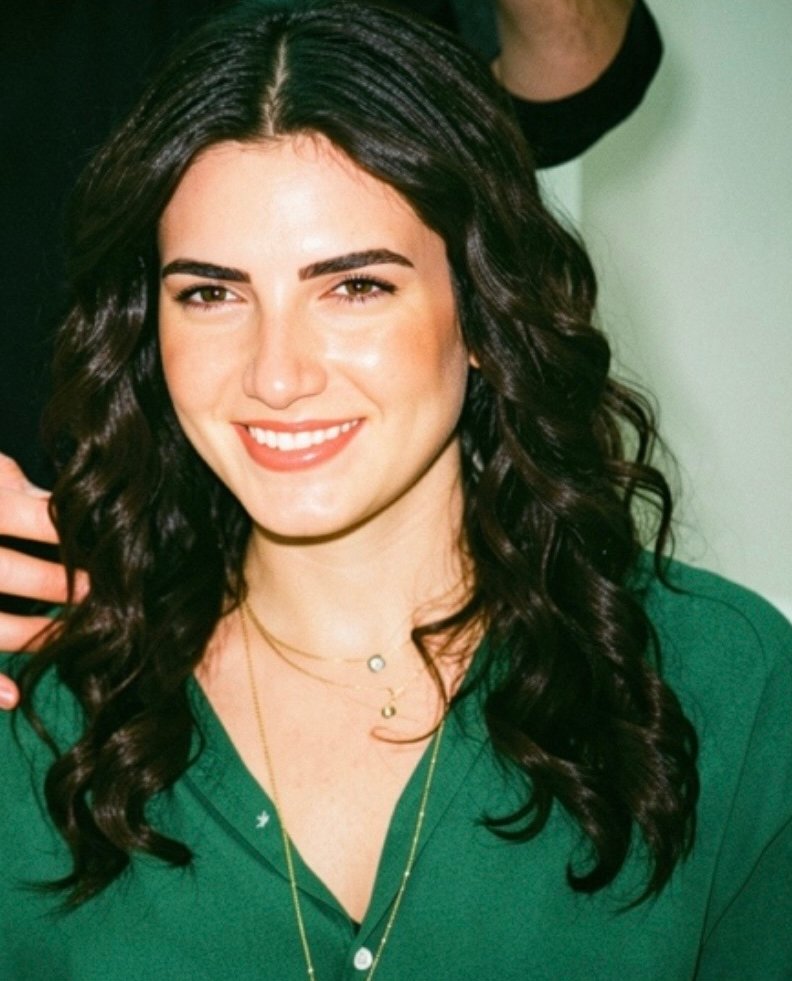
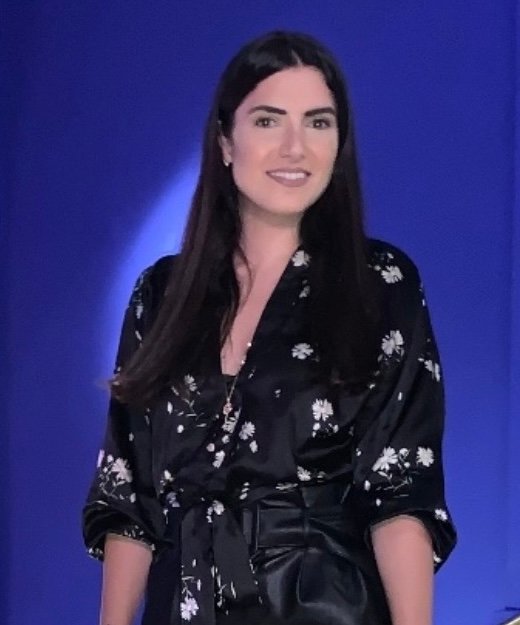
Karen Abdul hak did not set out to become a content creator. She was on a career break, back in her home country after years working in media, when a newsletter from her favourite beauty brand gave her an idea that would become The Creative Lens ✦.
A little over a year later, she has built a Substack following on long-form writing about Fashion Beauty and Retail, at a moment when she believes audiences are exhausted by scripted unboxing videos and repetitive brand endorsements. Here, she talks about finding her voice, working with AI without letting it replace her judgment, and why patience mattered more than any single viral moment.
What inspired you to launch The Creative Lens ✦, and what motivated you to pursue content creation and entrepreneurship?
Karen Abdul Hak: “I was on a career break”, Karen says. Having returned home after working in media and performance, and having studied marketing and creativity, She began posting beauty trend content on her Stories simply because she had some free time on her hands.. The real spark came when Rare Beauty, her favourite beauty brand, launched a newsletter sharing behind-the-scenes stories about how its products were made. “I realised this is exactly what I wanted to do at that time, just not as a career, as free time until I figure out what to do next”. Rare Beauty launched its newsletter in April 2025; Karen discovered it in July and launched The Creative Lens ✦ the following August, calling the early months “really just trial and error”.
How have you developed your own creative identity and personal brand while staying authentic?
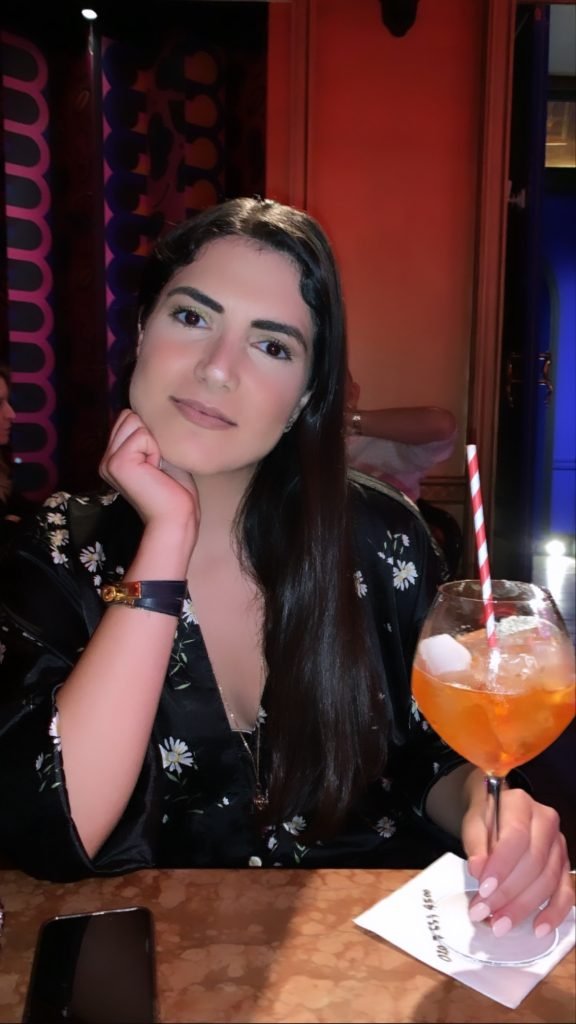
Karen Abdul Hak: Karen is candid that she did not enter a competitive industry with a large following or an obvious advantage. What she had instead was a longstanding eye for detail, built through studying creativity and marketing at a major European business school and years as an engaged, detail-oriented consumer. “I always had an eye and I was always an engaged consumer,” she says. “I love to buy stuff and I love to also understand the marketing strategy behind them.” Over roughly a year of writing, she developed a clearer POV, moving away from generic praise toward genuine opinion. “Your opinion is authentic. People don’t want filtered§ comments from big influencers giving really shallow takes. There’s a need for people who give genuine, authentic opinions.”
What strategies have helped you build meaningful relationships with your community rather than simply growing followers?
Karen Abdul Hak: Comparing platforms has shaped her thinking here. Instagram’s subscriber broadcast channels, she says, remain crowded and shallow, “most just use emojis and answering prompts,” while Substack’s subscriber chats feel more personal, even if still niche. She points to Rare Beauty’s own 5,000-member Substack group as an example of a brand still testing how to build real community rather than a mass audience. “I still think there’s a lot of opportunity there to connect with communities,” she says, describing herself as still learning through trial and error even a year in.
Could you walk us through how you develop ideas, create content, and maintain consistency across your platforms?
Karen Abdul Hak: Organisation, Karen says, is what makes the process work. She keeps a content calendar tracking every article by section, whether it has gone live, and how many parts it spans, and reviews her work closely before publishing, especially now that brands and readers are watching. She aims to post weekly, or at least within ten days, sharing links to Instagram and reposting quotes across her notes section and stories every few days so the content stays fresh rather than repetitive. She has also started experimenting with AI-generated video from quoted text on substack. “There are so many different ways to do things, it just depends on what I’m working on”, she says, noting that collaboration work involves more back-and-forth and approval than her own independent articles obviously.
What have been the biggest challenges you’ve faced in building your brand, and what lessons have those experiences taught you?
Karen Abdul Hak: Patience was the hardest part. “It took so long, so many articles, to get one or two likes, one subscriber”, Karen says, describing the slow work of earning trust that her opinions were researched rather than improvised. A turning point came when she published her first Rare Beauty article on LinkedIn and tagged the brand’s team directly, sparking a connection that felt, at the time, like a distant dream of future collaboration. Her advice to anyone starting out mirrors that experience: “A lot of patience and trusting the process. You’re working on your voice, and people will want to know your point of view once they trust it.”
How do you view the role of AI in the creative industry, and how can creators embrace innovation while maintaining originality?
Karen Abdul Hak: Karen’s experience with AI has been positive, but strictly restricted. She used Canva AI to redesign her logo and publication brandin, directing every step herself. “Ai is just as smart as you are,” she says. “AI gives you tools to reduce time, to be more focused on your creativity instead of wasting time on small details.” She has also used AI-adjacent research tools, including an app that compares prices across retailers, as material for her own articles. Her overall view is pragmatic: AI is only as valuable as the person using it, and its role is to free up creative time, not to replace creative judgment.
What separates creators who build lasting brands from those who simply chase trends?
Karen Abdul Hak: Karen sees a growing fatigue with PR unboxings and swatches that feel scripted rather than authentic: “consumers are becoming really tired of seeing the same formats everywhere,” she says, while admitting it is often hard to tell whether a heavily-followed creator is being genuine or simply cycling through free products. She points approvingly to creators willing to give “brutally honest feedback,” even at the cost of being dropped from a brand’s PR list, as an example of the credibility she believes long-form platforms like Substack are built for. “People are wanting to be part of a community. They want to really understand the value of what they’re buying in 2026”.
What trends do you believe will shape the future of digital content, influencer marketing, and personal branding?
Karen Abdul Hak: Attending webinars from influencer marketing platforms shaped much of Karen’s thinking on where the industry is heading, particularly toward micro and nano influencers with genuine community ties rather than large but shallow followings. She points to newer platforms, ShopMy and LTK, that let creators build digital storefronts around products they genuinely recommend, and to a concept she calls GEO, generative optimising engine, the AI-era counterpart to SEO. She has built her own storefront through the affiliate platform Awin, linking products from the brands she works with. “It’s like having a shop that’s yours, you’re recommending products and earning a commission as a result”, she says.
What exciting projects, collaborations, or business goals are you currently working on?
Karen Abdul Hak: Karen is preparing to start filming GRWM videos with brands she already has an organic connection to, as well as paid partnerships. “I’m trying to do what brands are wanting me to do,” she says, while acknowledging that video is a newer skill for her and will take time to develop. In the meantime, she is staying focused on the articles her readers already respond to. “I’ll give them exactly what they want, and we’ll see what happens next.”
What advice would you give to young entrepreneurs and aspiring content creators who want to build successful brands while remaining true to themselves?
Karen Abdul Hak: Her advice is blunt: stay authentic to your own voice“, we’re overloaded by creators doing exactly the same thing,” she says, arguing that consumers are actively seeking unique, authentic voices over forced advertisement. She cites Hailey Bieber’s clean-girl aesthetic and Selena Gomez’s long-standing mental health advocacy, both established well before their respective brand launches, as proof that authenticity has to come first. “When your voice is genuine, everything else follows naturally”.
If you could define your creative journey in just one sentence, what would it be, and why?
Karen Abdul Hak: Karen returns to a principle she says she has carried from university through every job since: stay curious: “you’re not always right and you don’t always know everything”, she says. “Just be curious and try to learn from everywhere, not only your industry, be inspired and always open to understanding new concepts”.