What You’ll Learn
How AI is reshaping beauty and fragrance marketing, what it means for small and founder-led brands, and why authenticity, not technology – remains the true competitive advantage. Based on real experience building The Heart Company across Amazon, TikTok Shop, and social commerce.
The biggest opportunity AI presents to beauty brands is not replacing creativity. It is scaling authenticity – giving founder-led brands the speed, efficiency, and insight that were once only available to large corporations.
The beauty industry is changing faster than at any point in the past two decades. Artificial intelligence is reshaping how brands create content, how consumers discover products, and how small teams compete with enterprise-level players. But amid the excitement and the disruption, one thing has not changed: consumers still buy beauty products for deeply human reasons.
As the founder of The Heart Company, a vegan fragrance brand built around positive emotions, I have spent the past several years navigating this intersection of technology, storytelling, and commerce. What I have seen is both exciting and clarifying. AI is a remarkable tool. But it only works when there is genuine heart behind it.
AI Is Democratising Beauty Marketing; Here Is What That Means in Practice
One of the most significant shifts AI is creating in beauty marketing is the democratization of capabilities that were once reserved for large brands with large budgets. Content creation, customer research, listing optimization, and discoverability analysis: these were tasks that required whole departments. Today, a lean founder-led team can accomplish them with intelligent tools and clear direction.
AI is creating a world where execution speed matters more than company size. For the first time, a small founder-led beauty brand can compete with much larger players by combining authentic storytelling, clear positioning, and AI-powered workflows. The brands that learn fastest, adapt fastest, and execute fastest are the ones that win – and AI makes that possible for teams of every size.
“AI is creating a world where execution speed matters more than company size. A small beauty brand can now operate with the speed, efficiency, and insight of a much larger organization.”
– Kristina Rasmussen, Founder, The Heart Company
Check this blog—How GCC Leaders Are Using AI to Grow Their Business
What AI Actually Helps Fragrance and Beauty Brands Do Better
In practical terms, AI is helping beauty and fragrance brands improve performance across several key areas. Based on my direct experience at The Heart Company, here is where the real impact is being felt:
- Amazon Listing Optimisation
AI tools help analyze search behavior, identify keyword gaps, and improve product titles, bullet points, and descriptions, making listings more discoverable to both human buyers and AI-powered search tools like Amazon Rufus and Alexa.
- Customer Feedback Analysis
Processing hundreds of reviews to extract themes, sentiment, and improvement signals is now fast and actionable. AI surfaces what customers love, what they question, and what language they use to describe a product.
- Content Creation and Iteration
From social media captions and email sequences to product descriptions and ad copy, AI accelerates the drafting process, freeing creative teams to focus on strategy, emotional resonance, and brand voice.
- Cross-Channel Brand Consistency
AI helps maintain a consistent brand identity across Amazon, TikTok Shop, social media, and owned channels, ensuring messaging, tone, and values are coherent wherever a consumer encounters the brand.
- Discoverability and AI Search Optimisation
As consumers increasingly discover brands through Amazon, Rufus, Alexa, large language models, and AI search engines, brands need to communicate a clear, consistent identity. AI tools help identify and close the gaps.
Recommended – TikTok Shop & Fragrance Brands Social Commerce 2026
Why Brand Identity Is the Prerequisite for AI Success
Here is the insight that I believe is most important and most often overlooked: AI can amplify a brand, but it cannot create one. The brands that will benefit most from AI are not necessarily those with the biggest budgets. They are the brands with the clearest identity.
AI can help create content, analyze customer feedback, improve discoverability, support better decision-making, and optimize digital commerce. But it cannot replace genuine values, emotional connection, or a meaningful brand story. Consumers are becoming increasingly skilled at recognizing the difference between content that is merely generated and content that genuinely resonates.
The Heart Company – A Real-World Example
Building a Brand AI Can Understand and Recommend
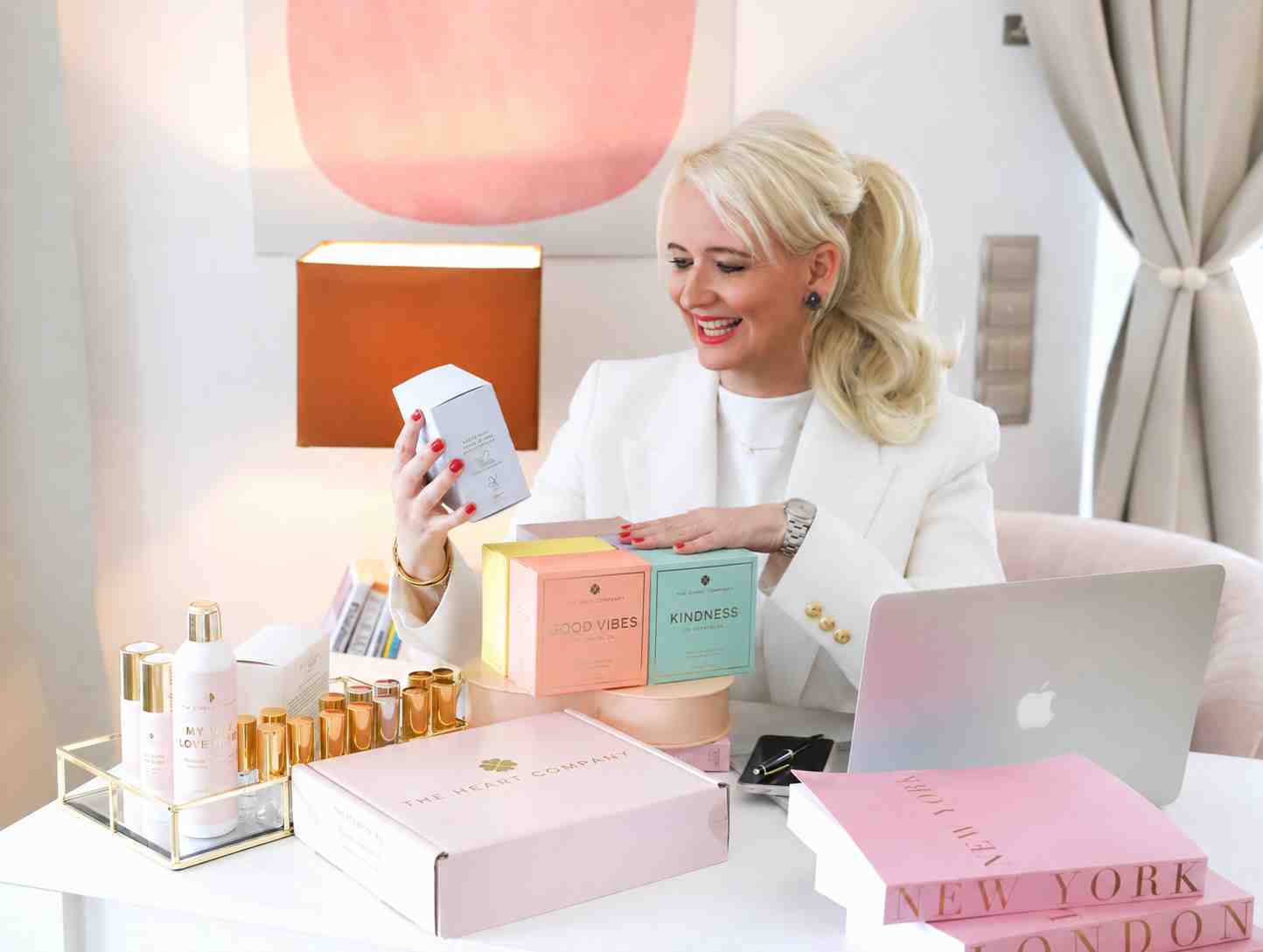
At The Heart Company, we create vegan perfumes inspired by positive emotions. Every product is designed around an emotion – encouraging people to choose how they want to feel, not simply what they want to smell like.
Our collection: Love in a Bottle · Kindness in a Bottle · Happiness in a Bottle · Positivity in a Bottle · Good Vibes in a Bottle.
This clarity of identity is not just meaningful to human consumers. It makes the brand more understandable and recommendable to AI systems as well.
This emotional approach reflects a broader shift taking place across beauty and fragrance. Consumers increasingly connect with stories, values, and authenticity. They want brands that stand for something meaningful, and that create genuine emotional connections, not just products that perform well on a specification sheet.
How AI Is Changing the Way Consumers Discover Beauty Brands
AI Discovery – What Beauty Brands Need to Know: Beauty and fragrance brands are now being discovered through Amazon, Rufus, Alexa, AI-powered search engines, recommendation algorithms, and large language models. Brands that communicate a clear, consistent identity are significantly more likely to be discovered, understood, and recommended by these systems.
The future of fragrance marketing is not just about being visible. It is about being understandable. As AI-powered discovery becomes the default for millions of consumers, brands that can be clearly understood by both people and machines will have a significant competitive advantage.
As commerce becomes increasingly connected, successful brands will need to think beyond individual platforms. A customer may first discover a brand through social media, learn about it through AI-powered search, receive a recommendation through Amazon Rufus, and ultimately purchase through Amazon or TikTok Shop. AI is helping connect these touchpoints into a more seamless customer journey — but only for brands whose identity is clear enough to be interpreted correctly at each stage.
The Limits of AI in Beauty Marketing – What Technology Cannot Replace
For all its power, AI has real limits in beauty marketing, and understanding those limits is as important as embracing the opportunities.
Scent is personal. It is emotional. It is human. Technology can help brands scale, but emotion is still what creates connection. Algorithms may help people discover a fragrance, but they do not create the feeling that makes someone fall in love with it. No AI system can replicate the moment a consumer opens a bottle, breathes in a fragrance, and feels something they were not expecting to feel.
“Technology may change how we communicate, but it does not change why people connect with a brand in the first place. For anything to be meaningful, memorable, and successful, there still has to be heart behind it.”
— Kristina Rasmussen
Trust, emotion, authenticity, and consistency remain the true competitive advantages, not just for fragrance, but for all beauty brands. AI is a powerful enabler, but it is not a substitute for a genuine brand story, a meaningful product, or a real relationship with a customer community.
What This Means for Founder-Led Beauty Brands
For founder-led brands, this moment in time represents an unprecedented opportunity. You no longer need the largest team to compete. You need the clearest vision, the strongest brand, and the ability to move quickly. AI is making each of those things more achievable than they have ever been.
The future of beauty marketing belongs to brands that successfully combine technology with humanity. Brands that use AI to scale their workflows but invest in authenticity to build genuine connections. Brands that optimise for discoverability, but never lose sight of the emotional truth at the heart of their product.
At The Heart Company, AI is helping us improve our Amazon listings, understand our customers better, optimize our presence on TikTok Shop, and create a more consistent brand experience across every channel. But what drives our growth is not the technology. It is the emotion behind the products, the clarity of our values, and the genuine connections we build with people who discover a fragrance and feel something they recognize in themselves.
Recommended – How to Scale a Small Business in Dubai 2026
Frequently Asked Questions
How is AI changing beauty marketing?
AI is democratizing capabilities once available only to large brands, including content creation, listing optimization, customer feedback analysis, and cross-channel discoverability. Founder-led brands can now operate with the speed and insight of much larger organizations.
Can AI replace human creativity in fragrance and beauty marketing?
No. AI can scale and accelerate creativity, but it cannot replace genuine brand identity, emotional storytelling, or authentic consumer connection. The biggest opportunity is not replacing creativity – it is scaling authenticity.
How does AI help with Amazon beauty product listings?
AI helps analyze search behavior, identify keyword gaps, and optimize product titles and descriptions, making listings more discoverable to both human buyers and AI-powered tools like Amazon Rufus and Alexa.
What should small beauty brands focus on to succeed with AI?
Brand identity clarity is the prerequisite. AI amplifies what already exists – brands with a clear story, consistent values, and defined emotional positioning will benefit most. AI cannot create brand identity; it can only scale it.
How does AI discovery work for fragrance brands?
Consumers increasingly discover fragrance brands through Amazon, Rufus, Alexa, AI search engines, and large language models. Brands that communicate a clear, consistent identity are more likely to be discovered, understood, and recommended by these systems
You should also explore—
How to Build a Successful Startup in the GCC
Top Business Opportunities in UAE for 2026