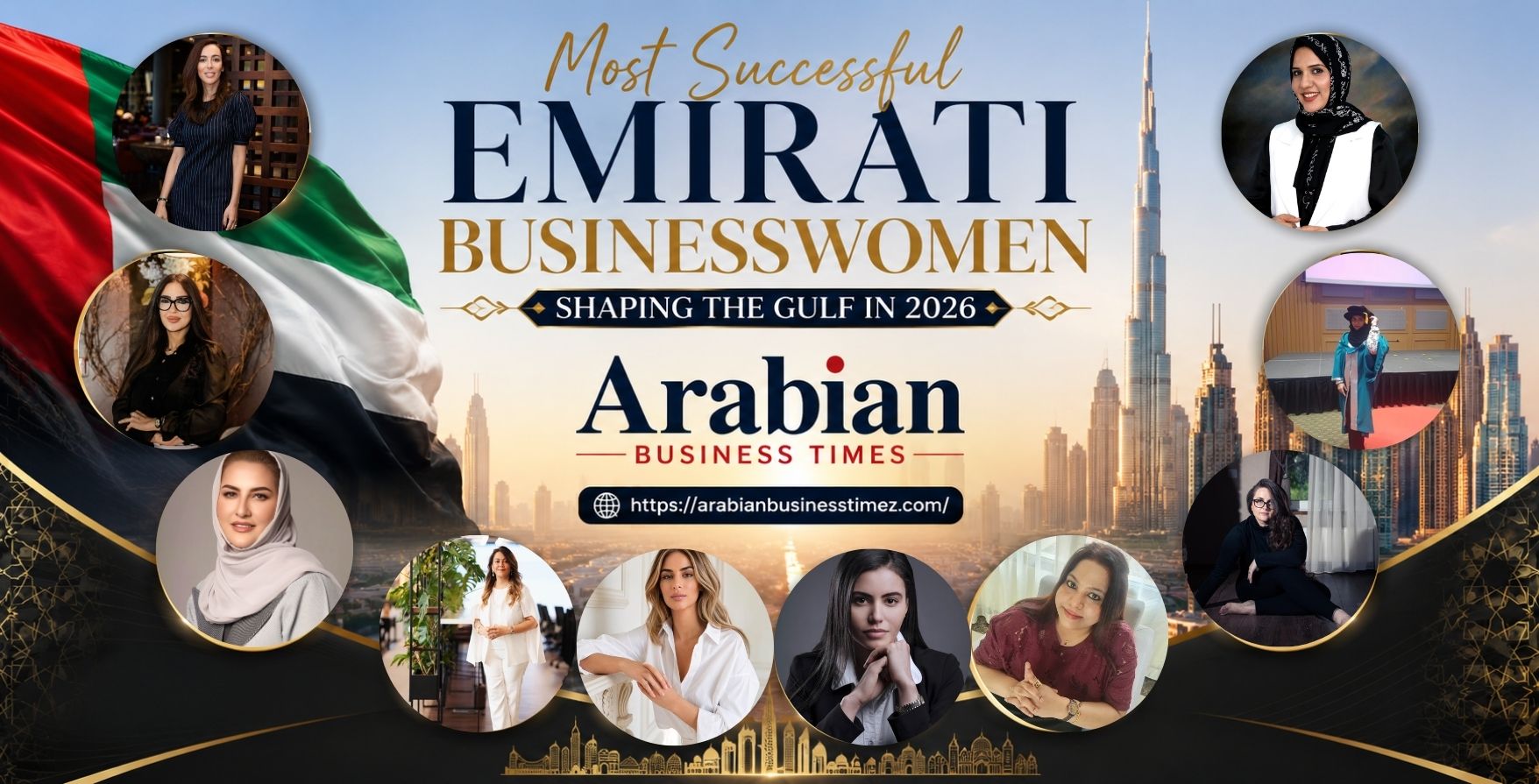
The Gulf region has quietly become one of the most active proving grounds for women in business anywhere in the world. Vision 2030 in Saudi Arabia, the UAE’s push into fintech and AI, and a wave of women-led ventures across Oman and the wider GCC are converging into something bigger than any single success story.
We spoke with ten women building that future right now — across fintech, artificial intelligence, real estate, law, HR, education, and executive psychology. Some are UAE nationals; others are international leaders who chose the Gulf, or who built global practices that now serve clients across the region. What ties them together isn’t geography alone — it’s that each is shaping how an entire industry operates in 2026, not just participating in it.
Here’s what they told us about the climb, the wins, and what’s coming next.
1. Hanan Alshayeb – Leading Fintech’s Cross-Border Future
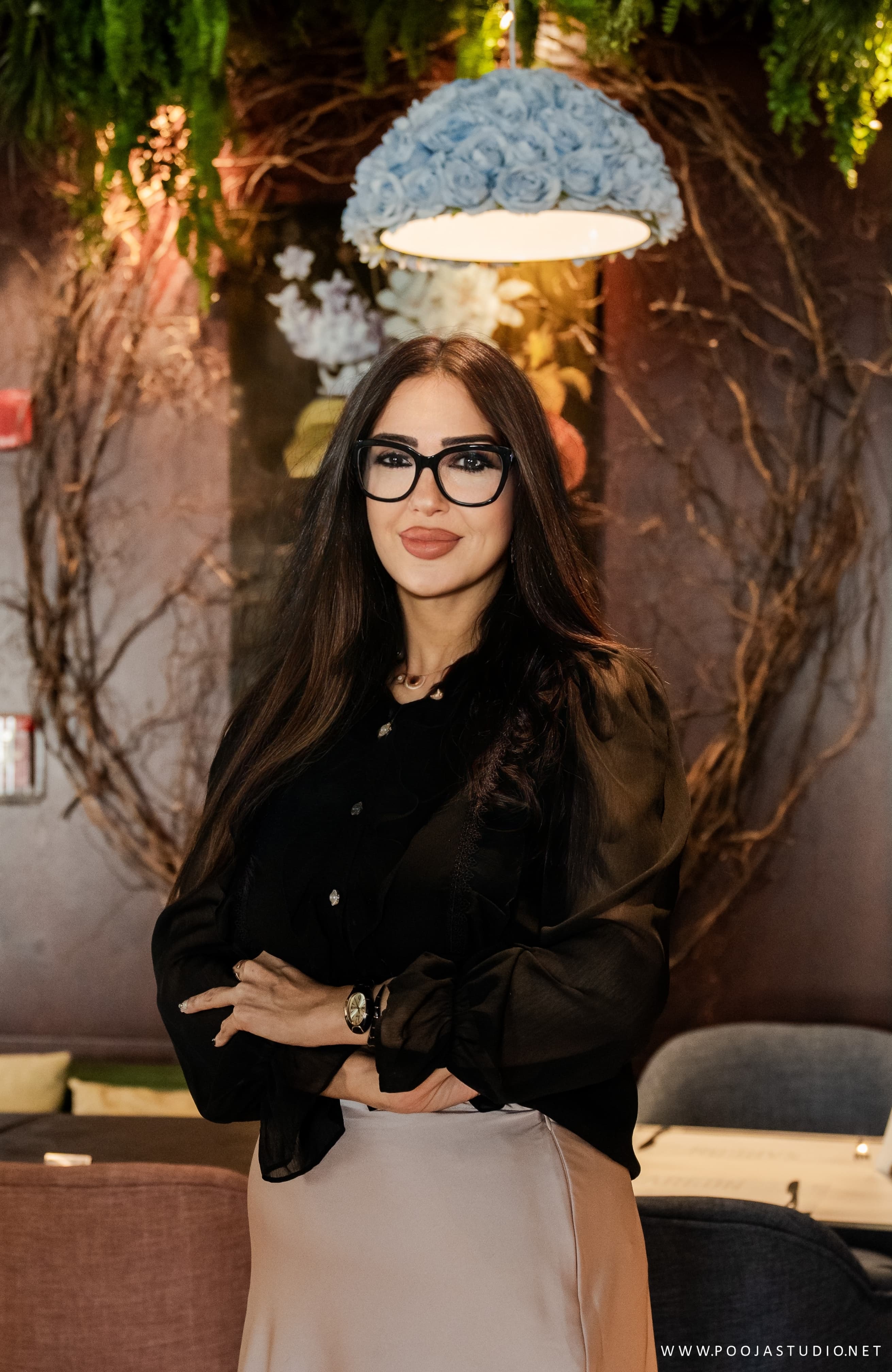
CEO, Altery MENA Ltd Industry: Fintech, Digital Transformation & E-commerce | Based in: UAE | Experience: 25+ years
Hanan Alshayeb’s path runs through some of the biggest names in MENA digital commerce – Bayt.com, Souq.com (later acquired by Amazon), DJI, Jollypay, Opay, Bybit, and Paytiko Group – before she stepped into her current role leading a DFSA-regulated fintech entity in the UAE, where she now owns strategy, governance, regulatory compliance, and regional growth.
The hardest part of the job: scaling regulated fintech and payments businesses across multiple jurisdictions while holding full P&L accountability – meaning she’s had to drive revenue, build compliance frameworks, lock in banking partnerships, and align regulators and shareholders all at once, often in markets where the rules are still being written.
The proof point: leading a global payments business through 100% year-over-year revenue growth across EMEA, built on strategic partnerships with banks, payment schemes, and fintechs.
Where she sees the industry heading in 2026: the convergence of embedded finance, real-time payments, digital assets, and AI-driven financial services – with the biggest opportunity in cross-border payment ecosystems that combine compliance, speed, and customer experience, and the biggest risk in regulatory complexity and cybersecurity catching firms off guard.
Her advice to women building a career: stop waiting to feel “100% ready” before taking the next role. Confidence follows action, not the other way around – and the leaders who make the biggest impact are the ones willing to step outside their comfort zone.
On scaling fintech globally, Hanan points to something most founders underestimate: the complexity isn’t just regulatory paperwork, it’s building reliable banking and payment partnerships across jurisdictions while managing cybersecurity and data privacy at the same time — all without losing customer trust or profitability along the way.
2. Nezha Alaoui – Turning Women’s Economic Power Into a Business Case
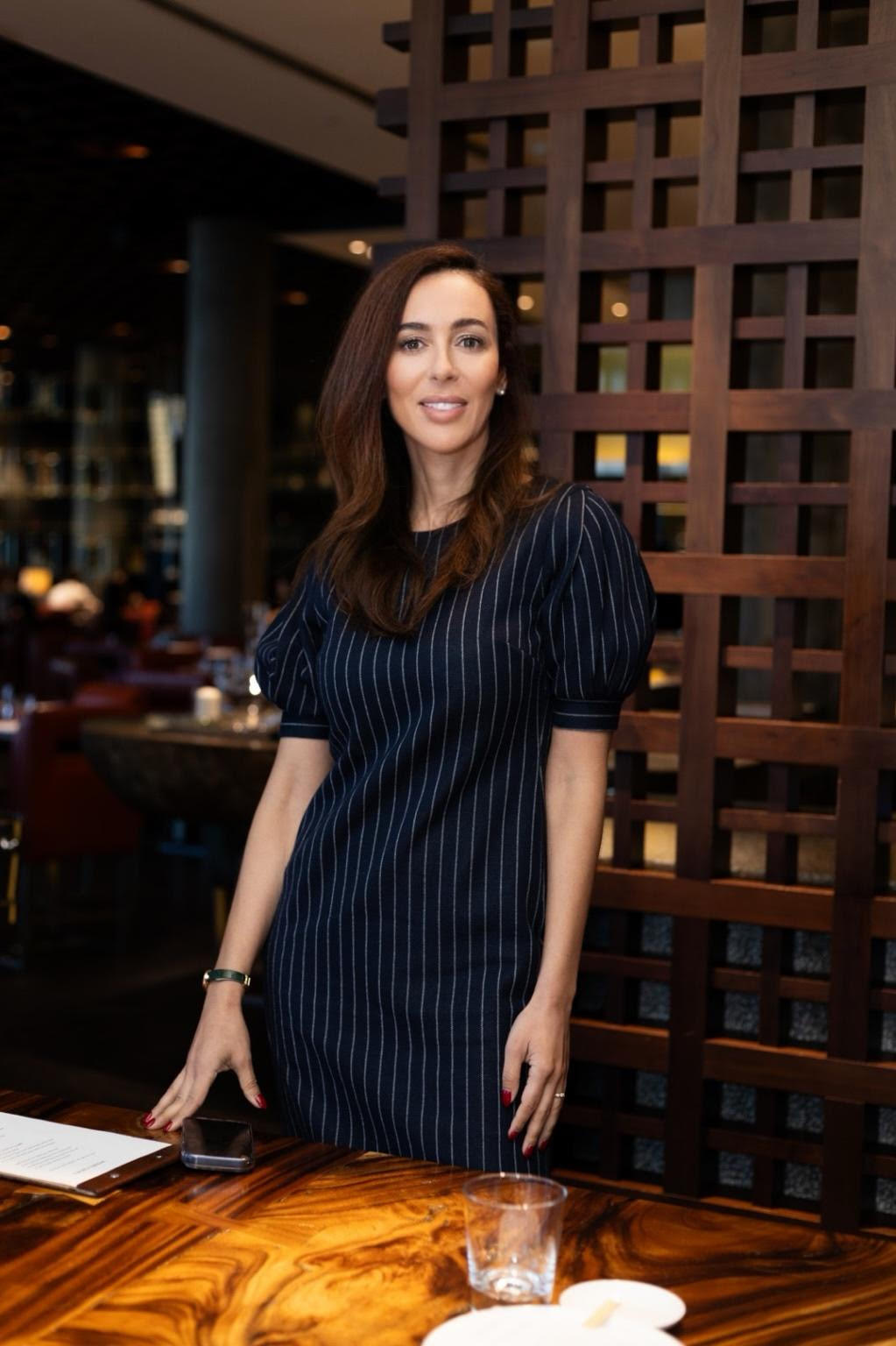
Founder & CEO, Women Choice Industry: Women’s Economic Development, Leadership, Media & Technology | Based in: Dubai, UAE | Experience: 15+ years
Before founding Women Choice in 2016, Nezha Alaoui spent over a decade in international development, working across Africa, the Middle East, Europe, and the US on economic inclusion. Today, Women Choice operates across multiple countries connecting women to leadership programs, mentors, and opportunities – working toward a goal of empowering one million women by 2030. She’s also the author of Be Who You Want to Be, Be a Leader.
Her biggest fight: convincing corporate decision-makers that investing in women isn’t a charitable side project – it’s a growth strategy. She won that argument not with rhetoric but with data, building measurable programs that tied women’s advancement directly to innovation and talent retention.
What she’s proudest of: building a platform that’s reached thousands of women across MENA – not through one-off events, but a sustained pipeline of leadership access, mentorship, and skill-building.
Her read on 2026: the future of women’s economic participation hinges on three things – access to quality jobs, entrepreneurship support, and the ability to adapt to an AI-driven economy. The gaps that remain aren’t about ambition; they’re about capital access and participation in high-growth sectors.
Her advice: build your expertise, your network, and your personal brand at the same time, rather than sequentially — and don’t just find mentors, find sponsors who will advocate for you when you’re not in the room.
On what actually moves the needle for gender equality at work, Nezha is blunt: awareness campaigns don’t change outcomes, measurable accountability does — concrete hiring and promotion targets, pay transparency, and treating equality as a performance metric rather than a diversity initiative bolted on the side.
???? LinkedIn | Women Choice
The rise of female executives across the Gulf reflects a broader trend highlighted in our list of Top Women Business Leaders in UAE 2026.
3. Dr. Nuslia Nushra Akhter – Opening Saudi Arabia’s Doors From the Inside
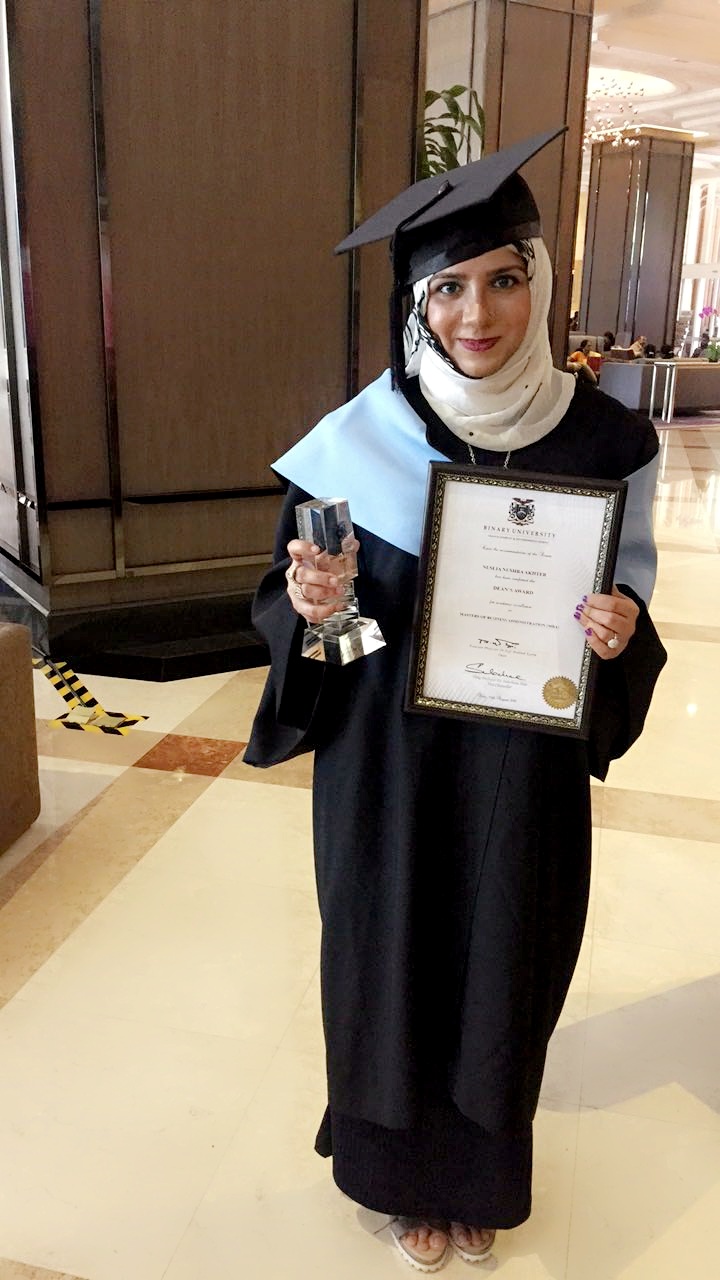
CEO/Director, M.Y. Holdings Saudi Arabia & M.Y. Business Management and Trading LLC, Oman Industry: Marketing, AI, Strategic Management & Middle East Market Entry | Based in: Dhahran, Saudi Arabia & Muscat, Oman | Experience: 6 years academic, 9 years industry
Dr. Akhter built her career at the intersection of research and market entry, helping organizations expand into Saudi Arabia and the GCC through strategic partnerships, while also organizing international business events that connect leaders across Southeast Asia and the Middle East.
Starting from zero credibility: when she launched her consultancy in Saudi Arabia in 2019 as a woman, building trust took far more persistence than she’d anticipated. She describes the shift since then as dramatic — Saudi Arabia now actively celebrates female entrepreneurs, and Oman is emerging as its own progressive hub for women in business.
The receipts: a PhD in Business Management (researching social media’s impact on consumer decisions in Saudi Arabia), a Dean’s Award, first position in her MBA cohort, two businesses founded across two countries, and published research presented at international conferences in Malaysia and Oman.
Her 2026 outlook: women-led enterprises in the Middle East are no longer the exception — they’re a structural part of economic diversification, accelerated directly by Saudi Vision 2030. Funding access, mentorship, and digital platforms have lowered barriers that used to keep entrepreneurship out of reach.
Her advice: don’t wait for the perfect moment — it isn’t coming. Start with what you have, and don’t let doubt (yours or anyone else’s) set your ceiling. Stay curious about tools like AI that can accelerate your growth.
4. Dr. Khulood Almani — Building the Infrastructure Layer of Saudi AI

Founder & CEO, HKB Tech® Industry: Artificial Intelligence, DeepTech, Smart Cities & Digital Transformation | Based in: Riyadh, Saudi Arabia | Experience: 20+ years
After two decades moving between academia, technology, and entrepreneurship, Dr. Almani founded HKB Tech® to close the gap between research-grade AI and commercial deployment. The company now builds proprietary AI platforms, Vision-Language Models, intelligent IoT ecosystems, and digital twin solutions — working with global tech partners and government-backed initiatives tied to Saudi Vision 2030.
The real challenge in DeepTech, she says, isn’t generating ideas — it’s converting advanced technology into something commercially viable at scale, while balancing IP development, market adoption, and partnerships in industries that shift constantly. Success comes down to execution and trust, not novelty alone.
Her flagship achievement: growing HKB Tech into a company with proprietary technology and government-level partnerships supporting Smart Cities and national digital transformation efforts.
Where AI is headed in 2026, in her view: past the experimentation phase and into infrastructure — Agentic AI, Vision-Language Models, digital twins, and intelligent IoT networks becoming the backbone of Smart Cities and connected economies. The winners will be the organizations with proprietary IP, trusted data governance, and a real path to scale.
Her advice for women in tech: visibility isn’t leadership. Execution, innovation, and lifting others up are. Build expertise that’s measurable, not just visible.
On adopting AI without falling behind, Dr. Almani’s framework is direct: treat AI as a strategic capability, not an experiment — start with clear objectives and strong data foundations, pick high-impact pilots, and scale only what’s proven, backed by workforce readiness and real AI governance.
5. Rakhi Megchiani — Dubai Real Estate’s Clarity Broker
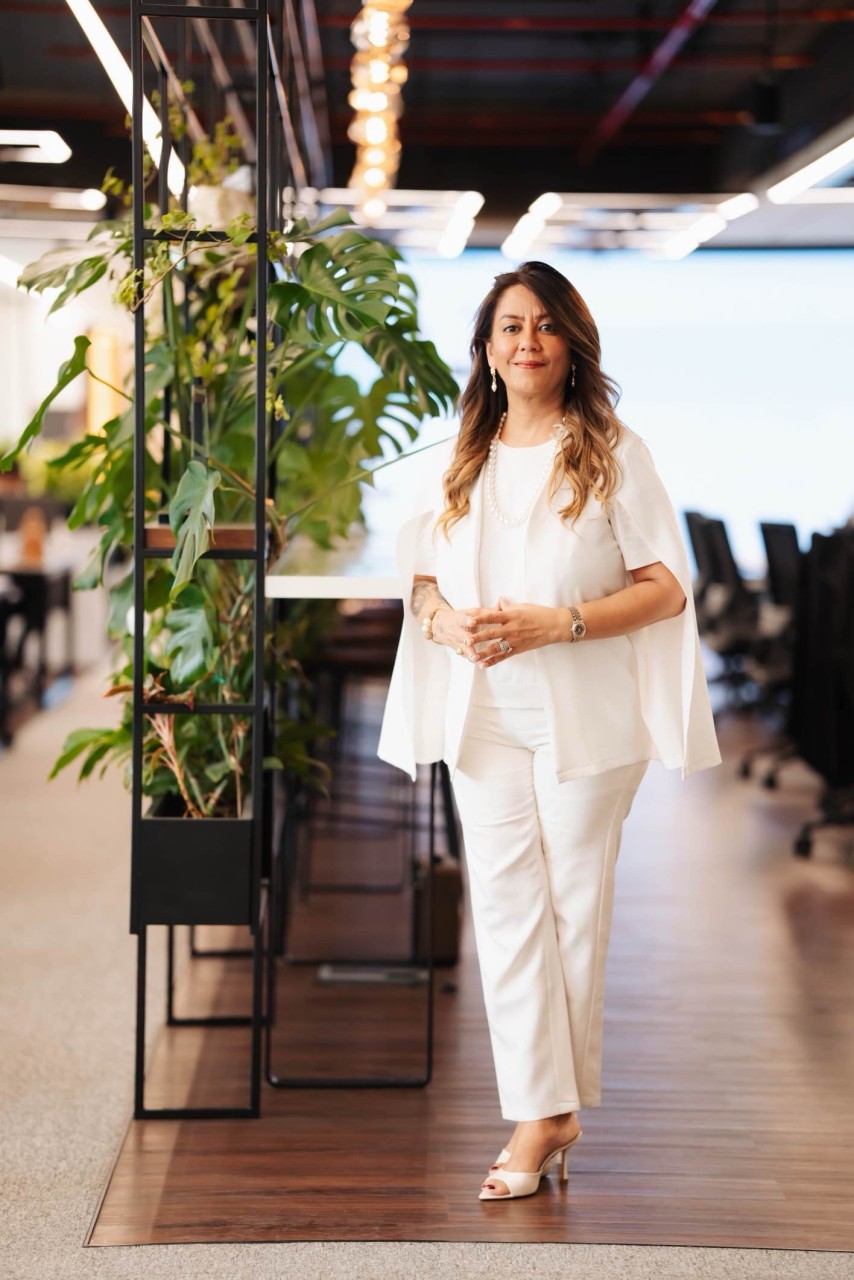
Sales Director – Financial Management & Strategies, XPerience Realty Industry: Luxury Real Estate | Based in: Dubai, UAE | Experience: 10+ years
Having grown up watching Dubai transform in real time, Rakhi Megchiani now specializes in luxury Dubai real estate for high-net-worth investors worldwide, with a focus on Emaar and Beyond developments and off-plan opportunities across the city’s waterfront and master-planned communities. Her client base spans India, Pakistan, the UK, Europe, and Russia.
The actual problem she solves isn’t finding properties — Dubai has no shortage of those. It’s cutting through marketing noise so serious buyers can separate genuine opportunities from hype-driven launches and make confident decisions in a market flooded with options and short on unbiased advice.
What she measures success by: not awards, but repeat business — a global client base that returns, refers, and reinvests across multiple projects over time.
Her 2026 forecast for Dubai real estate: the market is maturing, not slowing. After years of rapid appreciation, buyers are getting more selective, rewarding location, developer credibility, and long-term liveability over headline returns. Secondary and ready inventory in established communities should see renewed demand from end users and yield-focused investors.
Her advice: lead with clarity, not permission. Do the research, trust your own judgment, and don’t let anyone rush a decision that’s yours to make.
For first-time investors looking to build wealth through Dubai property, her advice centers on fundamentals over headlines: choose location over hype and developer track record over discounts, avoid over-leveraging, and let rental income compound over multiple market cycles rather than chasing a quick flip.
???? LinkedIn | Personal site | XPerience Realty | YouTube
As fintech continues to expand across the region, many innovative companies featured in our guide to the Top Fintech Startups in UAE are driving the next wave of digital transformation.
6. Eram Zeeshan — Bringing Mental Health Out of the Shadows in Saudi Workplaces
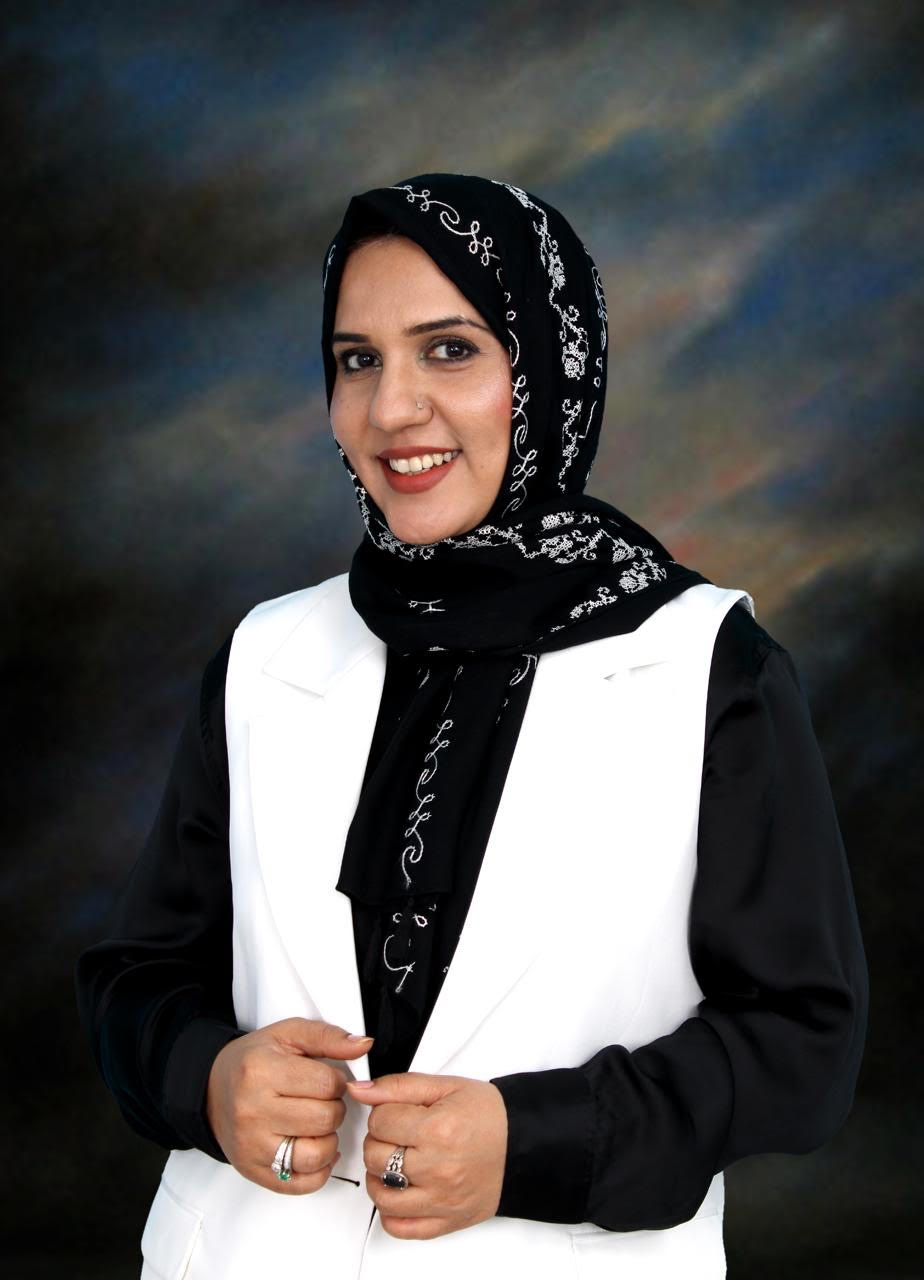
Senior Consultant (Training & Coaching), EZ Minds Industry: Training & Coaching | Based in: Saudi Arabia | Experience: 12 years
A mother of three and founder of EZ Minds, Eram Zeeshan built a platform focused on wellbeing, emotional health, and human development — with particular attention to women’s emotional health and youth support — through coaching, training, and community work aimed at building resilience and emotional intelligence.
Her hardest balancing act: motherhood, personal ambition, and professional growth, all while navigating life as a female expatriate trying to create her own opportunities rather than wait for them.
What she’s built: over 100 learning interventions, keynote addresses, and corporate development programs, alongside recognized work with professionals, women, youth, and educational institutions as a media guest, counselor, and international forum speaker.
Her view on where the industry is going: coaching and mental health work is shifting from crisis response to prevention — organizations are increasingly linking psychological safety directly to performance, engagement, and productivity. As stigma fades, demand for evidence-based coaching and resilience training keeps climbing.
Her advice for women: believe in your worth before seeking validation elsewhere. Invest in education, personal growth, and financial independence — they’re what give you real choices.
On preventing burnout without sacrificing performance, Eram’s view is that the two aren’t actually in tension: sustainable high performance comes from psychological safety, realistic expectations, and leaders who model healthy boundaries themselves rather than just preach them.
7. Zoya Mesaric — The Psychoanalyst Executives Call When Nothing Else Works

Executive Coach, Psychoanalyst & Executive Coach, Industry: Executive Psychology, Leadership Advisory & Mental Health | Based in: Vienna · Lisbon · International Practice. | Experience: 10+ years
Trained in Vienna’s psychoanalytic tradition, Zoya Mesaric built a practice spanning forensic, clinical, and executive work before noticing a pattern: her most complex clients weren’t people who’d failed — they were people who’d succeeded enormously and still couldn’t rest. She now works internationally with founders and executives navigating what she describes as the private cost of public achievement, and has presented at the 10th World Congress for Psychotherapy, Vienna and contributes regularly to Elle Slovenia.
Her hardest professional fight: building credibility at the intersection of two worlds that distrust each other — clinical depth gets dismissed in business circles, and business fluency gets mistrusted in clinical ones. Her breakthrough came when she stopped explaining the combination and let her results speak instead.
What she measures herself by: being the person someone calls when every other approach has failed to reach the real problem.
Her 2026 read, working across both European and Gulf markets: European leaders are often more comfortable discussing mental health but struggle to act on insight, while Gulf leaders show striking openness to deep personal development once trust is established. What both regions share is that the external architecture of success usually outpaces the internal one.
Her advice for women: build substance before reach. The pressure to be visible moves faster than the depth underneath it — and people notice the gap. The women who sustain serious international careers built something that compounded quietly.
On unresolved trauma in leadership, her observation cuts against conventional wisdom: trauma doesn’t always look like falling apart — in high achievers, it often looks like relentless drive and an inability to rest, with decisions made from fear dressed up as strategy until a crisis arrives that looks sudden but had been building for years.
Dubai’s property market remains one of the most attractive investment destinations, supported by leading firms featured among the Top Real Estate Companies in Dubai.
8. Sara Yahia — Rewriting “Cultural Fit” Into “Cultural Contribution”
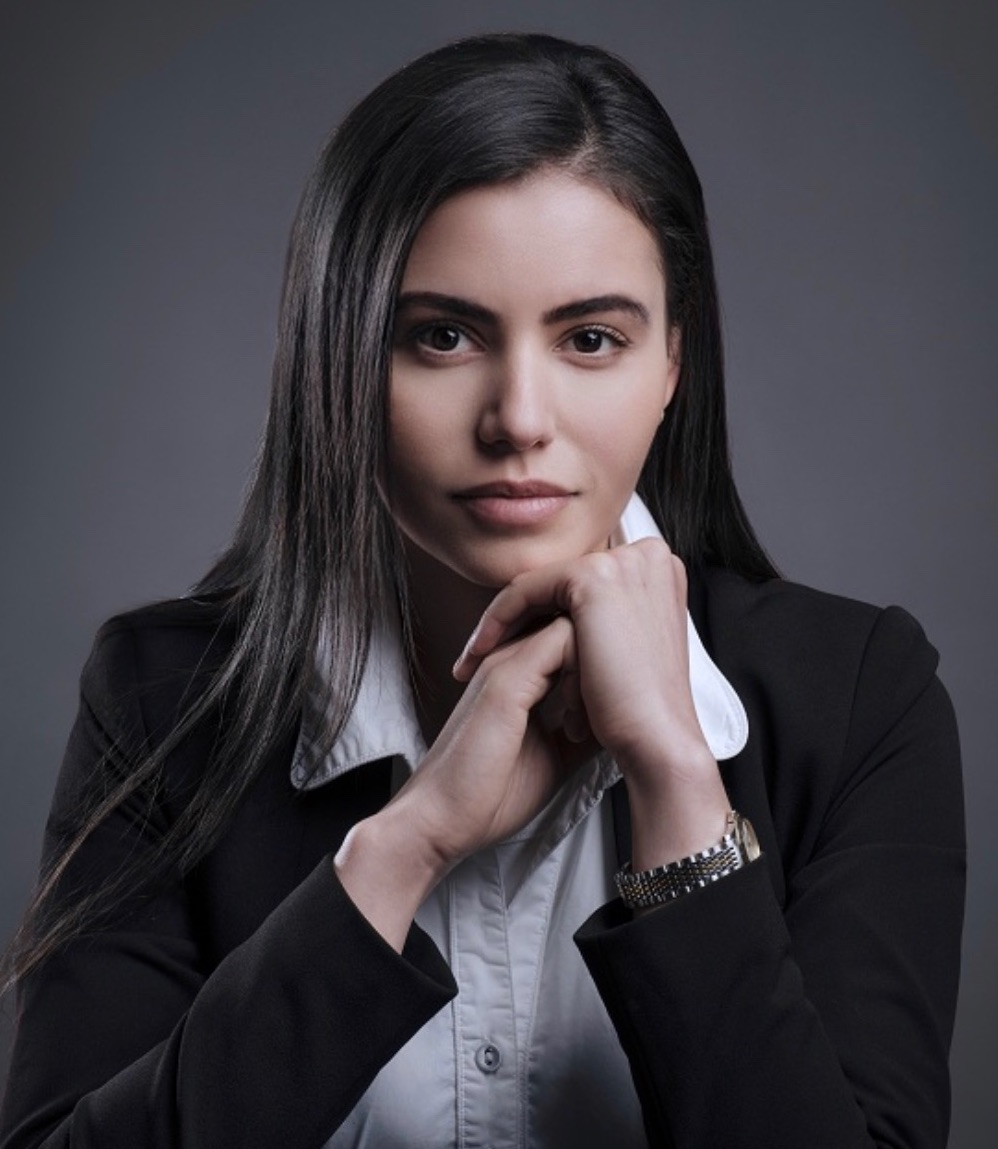
Senior HR Operations Director & Author Industry: Retail, Hospitality, Entertainment & Finance | Experience: GCC & USA / 13+ years.
Sara Yahia is an award-winning HR leader and author of Quiet Diversity, known for replacing traditional “cultural fit” hiring with a contribution-first model. Her commentary has appeared in Forbes, SHRM, People Management Magazine, and Khaleej Times, alongside contributions to HR Today, TalentCulture, and HR Executive.
What she had to push through: early-career misogyny, stereotyping, and workplace harassment that senior leadership often dismissed outright — experiences she turned into fuel for building inclusive, accountable workplace cultures where psychological safety isn’t optional.
Her proudest achievement: building a globally recognized voice in HR and DEI while driving cultural transformation across international organizations, turning lived setbacks into published work and award-winning impact.
Where she sees HR heading in 2026: beyond process management into what she calls “experience architecture” — AI reshaping recruitment efficiency, but human-centric leadership remaining the real differentiator, with DEI evolving from a bolt-on initiative into embedded system design.
Her advice: build your career on substance, not permission. Speak even when your voice shakes — impact often arrives before recognition does.
On building genuinely inclusive workplaces, Sara argues the shift has to go beyond symbolic gestures into hiring systems themselves: skills-based, contribution-focused hiring instead of “gut feeling,” paired with active listening, transparent progression, and real DEI metrics that leaders are actually held to.
???? LinkedIn | Website | Goodreads
9. Dr. Henrietta Newton Martin — From the Courtroom to Cross-Border Governance
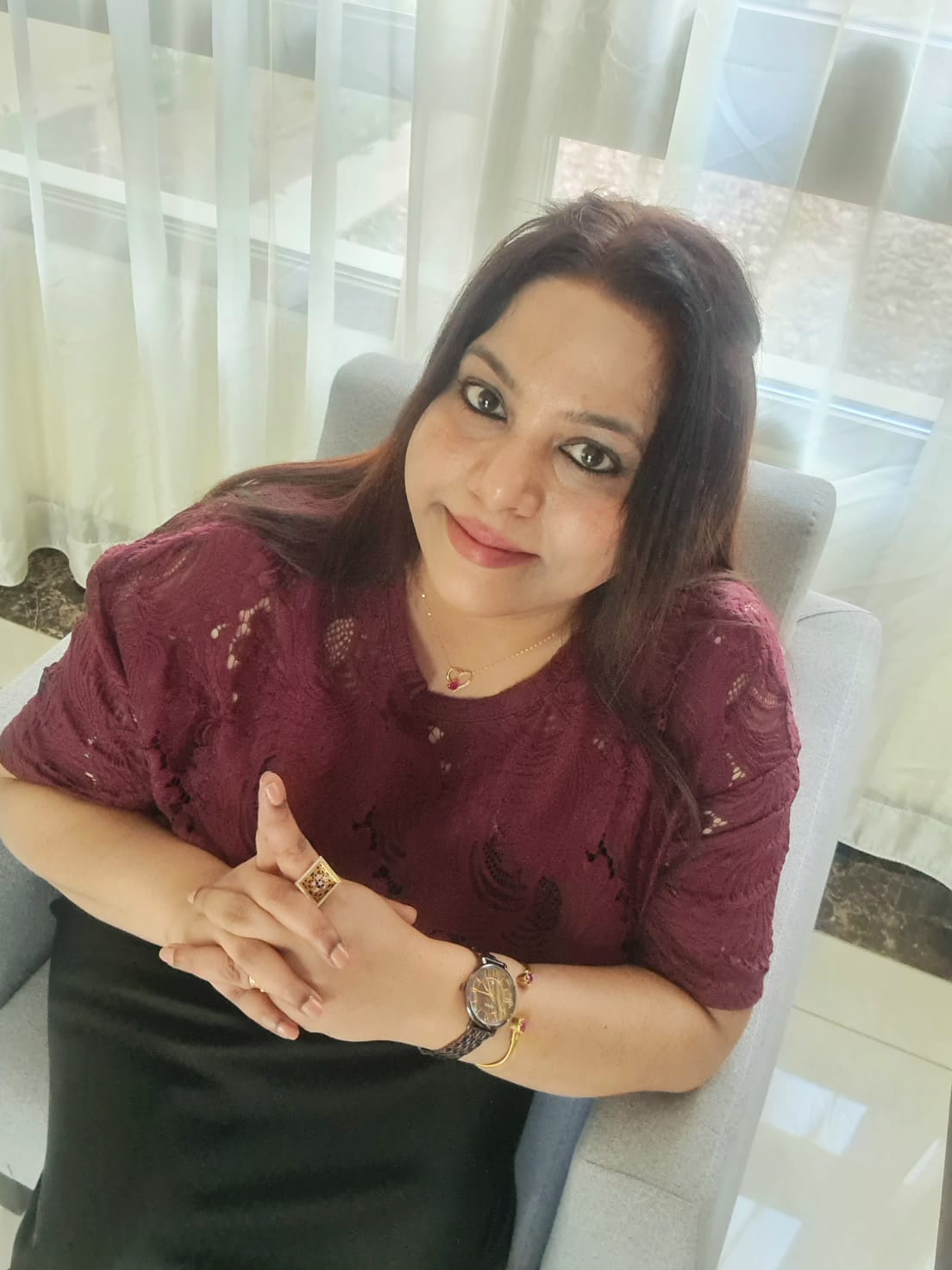
Legal Director, JusCogen & Alcop Industry: Legal, Manufacturing & International Trade | Experience: 10+ years
Coming from a family of legal professionals and judges, Dr. Henrietta Newton Martin graduated as a university first ranker and gold medalist in Law before building a career spanning litigation, corporate legal advisory, governance, compliance, and risk management across India and the Middle East. She’s also a published author and researcher cited by academic institutions worldwide.
Her toughest transition: moving from courtroom litigation in India into corporate legal advisory and strategic leadership in the Middle East — a shift that required learning to align legal strategy with business goals across different legal systems and multicultural environments, all while building entirely new communication instincts.
What she’s proudest of isn’t a title or award — it’s having built a career on integrity and ethical leadership, choosing principle over convenience consistently enough that it became her defining trait rather than an occasional choice.
Her 2026 outlook for legal and corporate work: AI, evolving regulation, and ESG/data governance demands are pushing legal professionals beyond traditional advisory roles into strategic business partnership — with cross-border compliance and digital transformation now central to decision-making.
Her advice: never compare yourself to others. Focus on self-competition — becoming a better professional and person each day — rather than chasing external benchmarks.
On whether AI will replace lawyers, her answer is a clear no: AI can sharpen research and documentation, but law is rooted in human judgment, ethical reasoning, and accountability that the technology can’t replicate — meaning the future is AI as enabler, not replacement.
Many of these women have capitalized on emerging sectors identified in our analysis of the Top Business Opportunities in UAE for 2026.
10. Andreea Cristiana Magliano-Ifrim — Turning Piano Lessons Into a Global Mentorship Network
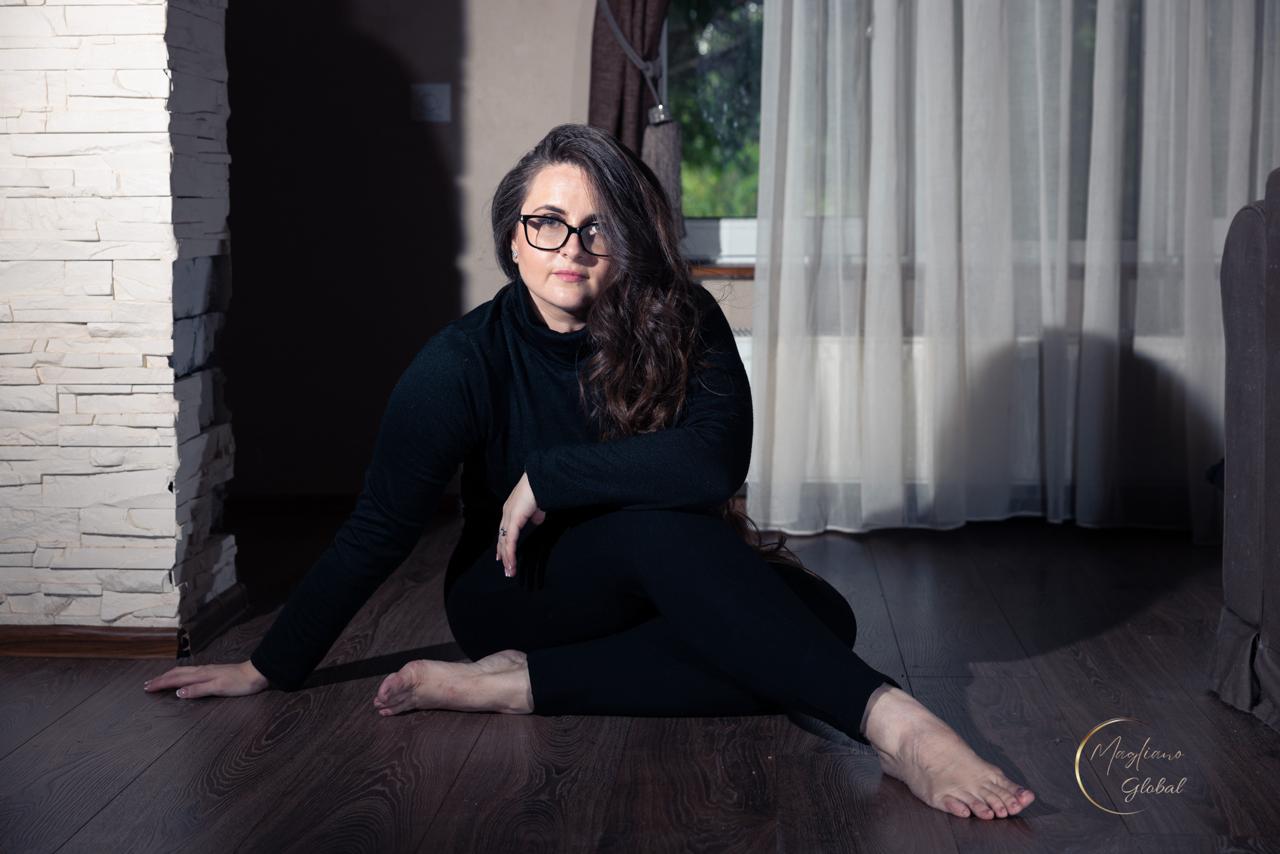
Founder & CEO, Magliano Global Industry: Education | Based in: Abu Dhabi, UAE | Experience: 20+ years
Andreea Magliano-Ifrim’s career began in music education as a piano educator, before evolving into something far broader: Magliano Global, an international platform connecting students, families, and mentors across multiple countries, blending education, entrepreneurship, and community-building.
Her central tension: building credibility and expanding internationally without compromising the personal values — quality, integrity, human connection — that defined her work from the start. Growth across different cultures and markets required constant adaptation, but never at the cost of those non-negotiables.
What she’s most proud of: not just growing Magliano Global into an international network, but proving that education, empathy, and excellence can coexist inside a modern global organization.
Her 2026 outlook on education: increasingly global, personalized, and tech-driven, with families no longer limited by geography in finding the right teacher or mentor — but human connection remaining the irreplaceable core, even as AI opens new opportunities.
Her advice for women in business: you’re not here to be liked, you’re here to lead. Visibility invites criticism — focus on becoming exceptional rather than popular, and build a reputation strong enough that your name alone opens doors.
On building a balanced investment portfolio as a beginner, her framework is rooted in personal expertise: invest in what you genuinely understand rather than chasing trends, and pay attention to sectors with durable long-term demand — she points to AI, robotics, and water infrastructure as examples worth watching in 2026.
???? LinkedIn | Magliano Global
The Throughline
Ten different industries, ten different countries of origin, and yet the same pattern keeps surfacing: every one of these women built credibility before the market was ready to hand it to them, then turned that credibility into systems — regulatory frameworks, mentorship pipelines, proprietary technology, hiring models — that outlast any single deal or news cycle.
That’s arguably the real story of the Gulf’s business landscape in 2026: it’s no longer about whether women can lead here. It’s about how fast the region’s institutions — regulators, corporations, investors — can catch up to what these women have already built.
Are you a woman leader building something significant in the Gulf or Middle East? [Get in touch] to be featured in our ongoing coverage of the region’s most influential business voices.
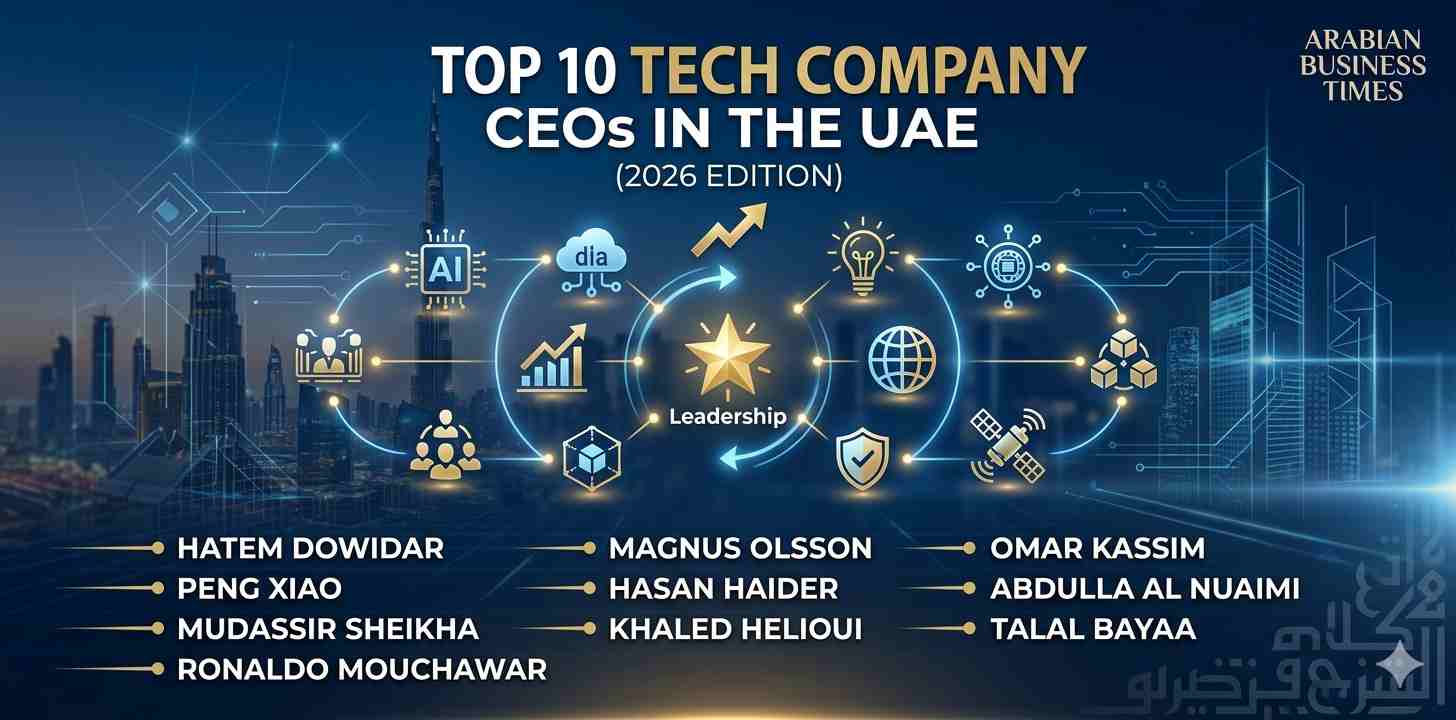
The UAE’s technology ecosystem continues to thrive under visionary leaders, including those featured in our roundup of the Top Tech Company CEOs in the UAE.
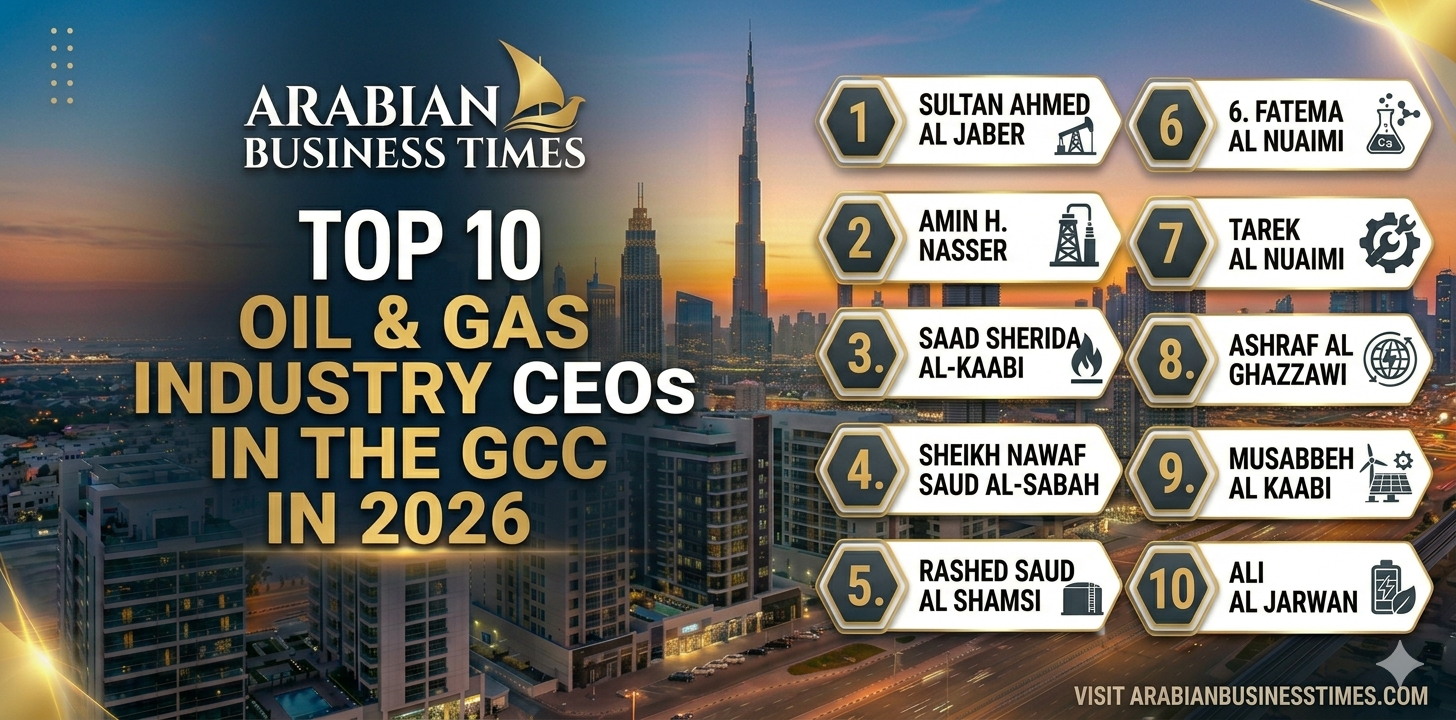
Alongside advancements in technology and entrepreneurship, traditional sectors remain vital to the region’s economy, as highlighted by the Top Oil & Gas Industry CEOs in the GCC.