

How an interdisciplinary technologist channels a childhood passion for model-making into hyper-realistic dioramas, and a vision for AI-driven robotics
Dr. Ko-Cheng Fang’s career operates at an unusual intersection. Long before he was recognized for constructing hyper-detailed, 1/6-scale battlefield dioramas, he was publishing core anti-virus and anti-hacking research that directed R&D initiatives for international technology firms. As an interdisciplinary model artist, Dr. Fang has spent decades building 1/6-scale battlefields so meticulous they blur the line between collectible art and cinematic storytelling — recreating jungle warfare, tank combat, and historical conflict with a level of detail more often associated with film production than with hobbyist craft.
His background as a competitive marathon runner and a former national Taekwondo player—holding over 70 athletic medals—directly influences his physical approach to the craft, Dr. Fang was publishing anti-virus and anti-hacking research that shaped the R&D direction of major tech companies, and later contributing to U.S. Department of Homeland Security anti-terrorism initiatives. That same precision and patience, he says, now defines his approach to model art — and increasingly, to the AI robotics ventures he is pursuing next.
This is the story of a man who never put away his toys, and instead turned a boyhood fascination with tanks and model kits into a discipline that bridges history, cinema, craftsmanship, and the future of manufacturing itself.
Career Transition and Technique
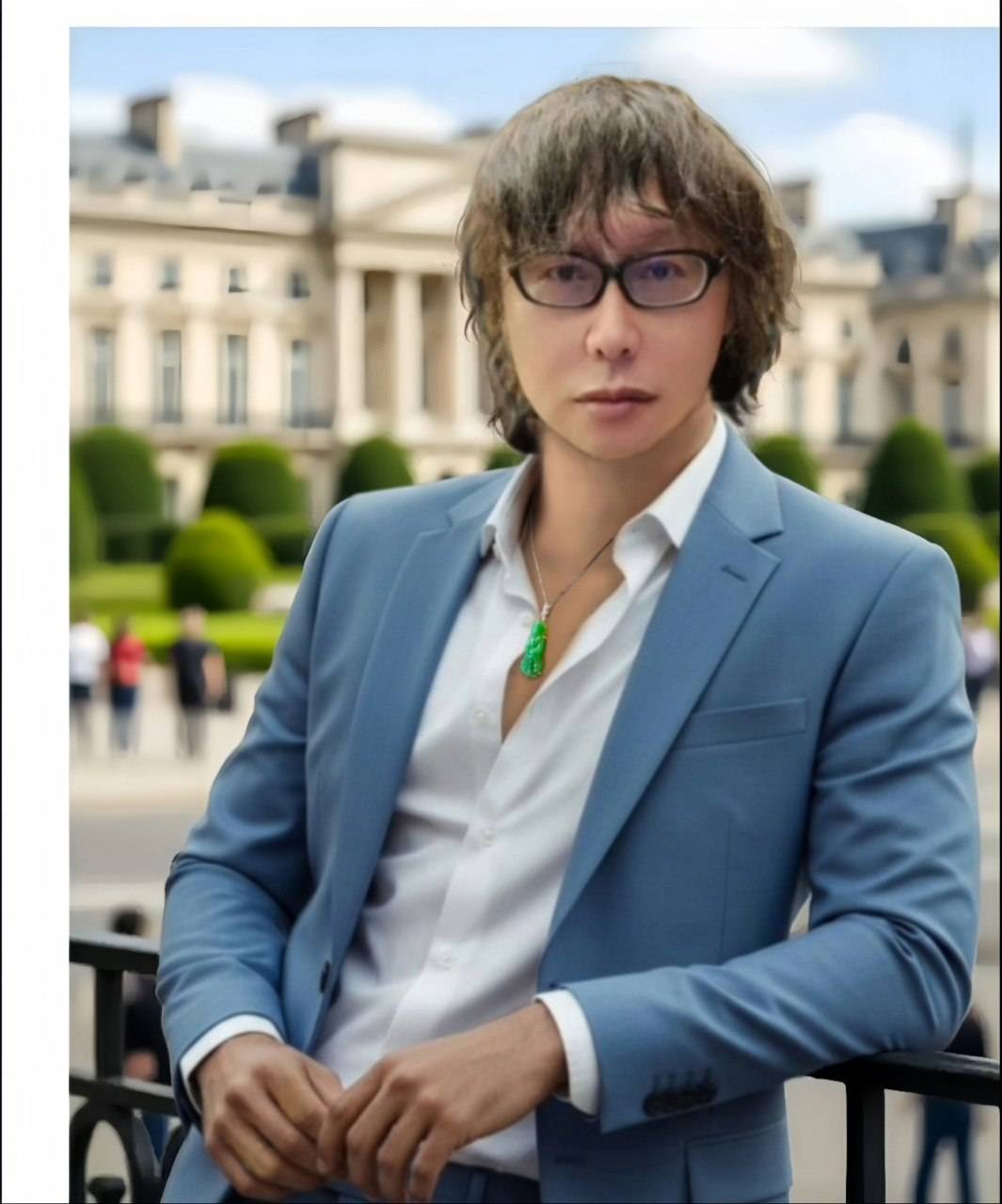
According to Dr. Fang, the seeds of his artistic practice were planted in the universal experience of boyhood — the tanks, model cars, and kits that occupy so many young imaginations. Rather than abandoning that passion in adulthood, he simply carried it forward. “The days spent building model kits are always filled with sunshine and joy,” he reflects, and that sense of nostalgia continues to animate his work even amid a demanding professional career.
What sets Dr. Fang apart, however, is that he was never content to let his figures stand alone in a display case. He explains that he began constructing entire battlefields around them — imagining the events that might unfold within a scene and borrowing techniques directly from filmmaking to design the props and environments. This instinct to build narrative worlds, rather than isolated objects, would become the defining signature of his artistic identity.
Cinematic Weathering and Scale Authenticity
Central to Dr. Fang’s process is an obsessive commitment to authenticity. He researches genuine film stills and historical reference images so that every figure can be painted and weathered with accuracy — sweat stains, torn fabric, scorched fabric from simulated explosions. He even burns replica wartime flags to achieve battle-damaged textures, a technique borrowed more from prop-making than traditional model kits.
Dr. Fang explains that weathering clothing follows the logic of the human body itself: fabric should darken first around the neck and chest, then the armpits and back, mirroring where sweat naturally accumulates. A few carefully placed bloodstains, he notes, complete the illusion of realism. Explosive effects, meanwhile, are typically achieved in post-production rather than on location, since smoke is notoriously difficult to control consistently — a constraint he manages much like a film crew would.
Environmental realism is equally exacting. For jungle warfare scenes, Dr. Fang has amassed an extensive photographic archive of tropical rainforest vegetation, recreating every vine and banana tree at precise 1/6 scale. He considers vegetation the single greatest technical challenge in building a believable jungle diorama, while coral reefs and cave systems are constructed using aquarium landscaping materials repurposed for miniature warfare.
Casting Characters Like a Director
Dr. Fang describes his work less as traditional model-making and more as visual storytelling in the format of a comic — meaning that facial expression, pose, and proportion must all read as authentically as a film still. Because 1/6 scale renders characters large enough for close-up detail, casting the right head sculpt becomes as important as casting an actor. He collects sculpts from multiple manufacturers to access a wide range of expressions, ensuring each scene’s emotional believability holds up under scrutiny.
This attentiveness, he notes, stems from a lifelong habit of observing human posture and movement in everyday life — an artist’s eye that allows him to adjust figures into natural, convincing stances rather than the stiff poses common to lesser dioramas.
The T-34 Turret: A Masterclass in Patience
Asked to reflect on his most demanding project, Dr. Fang points to his reconstruction of a Soviet T-34 tank turret — a piece that required sculpting, mold-making, and reproducing every structural detail, down to the cast texture of the armor and its welded seams. He studied countless reference photographs from tank museums to accurately render the hatch, the gun barrel, and even the rifling inside it.
Dr. Fang believes the discipline forged through years of this kind of work — the patience, precision, and perseverance — extends well beyond model-making. He sees direct parallels to emerging technological fields, including photonic chip manufacturing and the development of photonic AI robots, areas where he is now applying the same craftsman’s mindset.
Market Scale and Manufacturing Evolution

Dr. Fang has watched model-making evolve alongside advances in 3D printing, which now allows both plastic and metal components to be produced with industrial precision — a development he sees as a major boon for the art form. He believes the pipeline from character concept to physical prototype reflects technology-driven business opportunities, with substantial room still to grow.
The numbers support his optimism. The global video game industry is valued at an estimated US$188.8 billion to US$303.4 billion, growing at a compound annual rate of roughly 10.24 percent and reaching a player base exceeding 3.5 billion people worldwide. As characters from games and films gain visibility through media exposure, demand for IP-based toys and designer art collectibles has followed — a market Dr. Fang estimates at approximately US$345.8 billion.
Looking toward the future of production itself, Dr. Fang notes that original parts can be digitally scanned and replicated, then reproduced via 3D printing before mold development — a methodology he is now applying directly to AI robotics. In fact, he describes his current robotics venture as a natural extension of his model-making instincts: rather than building scale figures, he is now creating a life-sized robot, which he half-jokingly calls “a giant toy for adults” and, more earnestly, the realization of a childhood dream. The underlying craftsmanship, he insists, remains fundamentally unchanged.
Industry Outlook and Technical Milestones
Dr. Fang’s war-themed dioramas draw directly from real historical conflicts, spanning World War II, the Vietnam War, and modern combat scenarios. He anticipates that the ongoing Russia-Ukraine war will become a significant source of new thematic material for toy and model companies in the years ahead, though his own focus remains on building realistic dioramas from existing materials. Looking further out, he hopes to eventually adapt his battlefield scenes into an ongoing animated series, time permitting.
On the commercial side, Dr. Fang aims to evolve his work from a personal creative practice into a structured, product-based collectible series. He also anticipates that the arrival of advanced AI robotics will shift a significant share of manual production work to machines, reducing manufacturing costs across the industry.
Notably, Dr. Fang has kept a relatively low profile on social media, treating his model work largely as a personal archive rather than a platform for self-promotion. He admits that being interviewed is something of a surprise to him, though a welcome one. He has observed the rise of global online communities where hobbyists exchange techniques and showcase their work — communities that increasingly serve commercial functions for toy manufacturers building collector engagement — and says he hopes to participate more actively in these circles going forward.
Advice for the Next Generation
For young hobbyists hoping to turn passion into profession, Dr. Fang offers a clear-eyed but encouraging perspective. He acknowledges that the rising cost of collecting and creating models has pushed many enthusiasts to abandon their craft in favor of conventional work. Still, he maintains that Transforming a hobby into successful entrepreneurship is achievable for those who continue producing high-quality work.
Dr. Fang believes passion is the prerequisite for professionalism, and that professionalism, in turn, earns recognition — recognition that ultimately becomes the foundation for entrepreneurship. He points to the scale of the broader industry, worth hundreds of billions of dollars annually, as evidence that the opportunity is real for those willing to commit to their craft.
Recognition & Global Acclaim
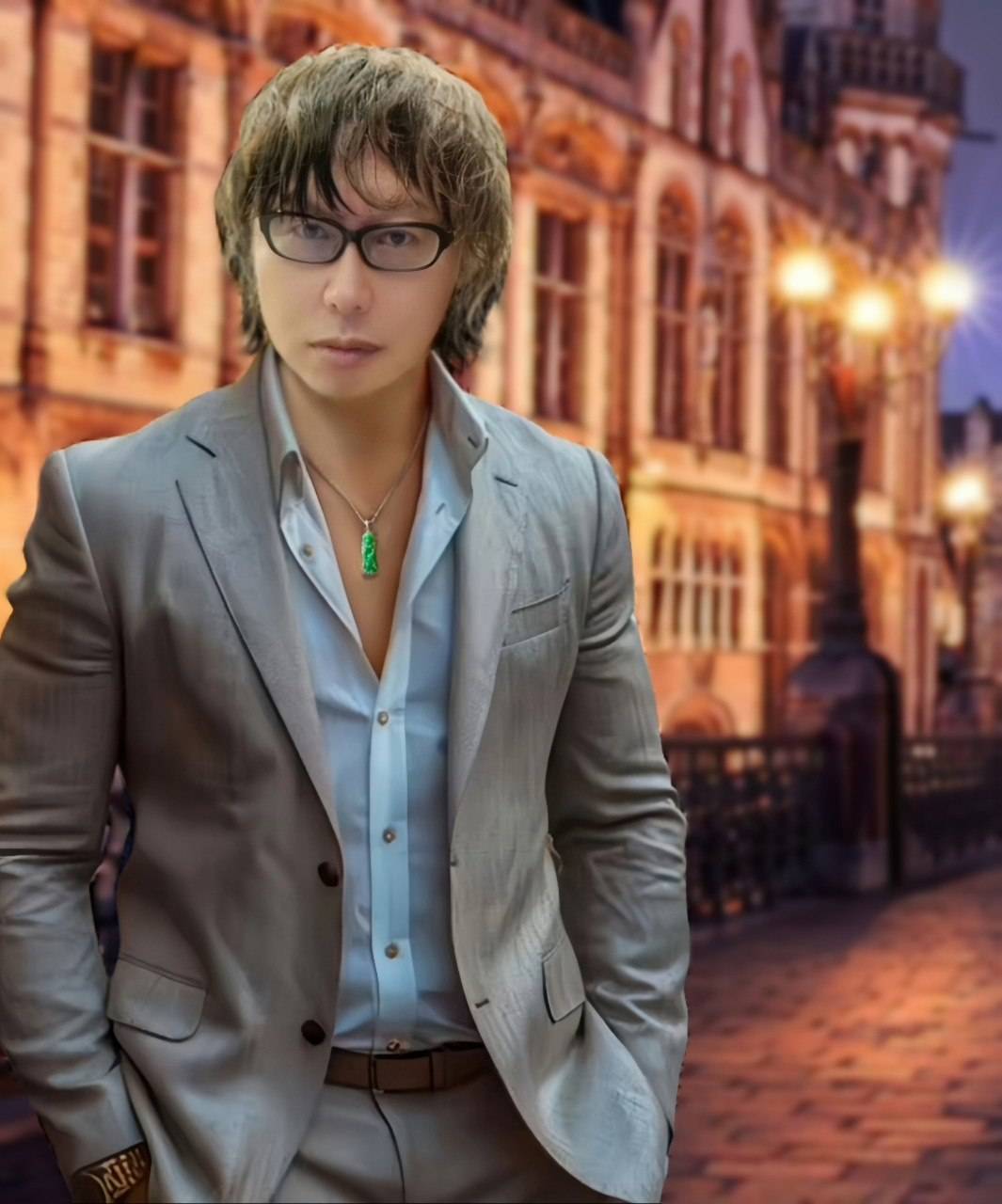
Dr. Fang’s interdisciplinary career has earned him recognition far beyond the model-making community. In 2002, he published anti-virus and anti-hacking research that went on to influence the R&D direction of major international technology companies, and by 2003 he had been invited to contribute to anti-terrorism technology initiatives for the U.S. Department of Homeland Security. His technical innovations were further recognized with a Silver and Bronze Medal at the 2009 Taipei International Invention Show & Technomart, followed by a Special Prize from the Korea Invention Promotion Association in 2010 — KIPA’s highest technology achievement honor.
More recently, Dr. Fang’s profile has expanded into the global media spotlight. In April 2025, he was named one of Achiever Magazine’s “Most Influential Technology Visionaries of 2025” and featured on its cover. The momentum continued into 2026: he opened the year on the cover of Elevatelcons’ New Year’s Day magazine, received the “2026 Same Roots, Same Dreams: Exemplary Chinese Figure of the Year” trophy alongside the “Exemplary Chinese Figure of the Year 2025” certificate, and appeared on the cover of international fashion publication LuxeStavia.
In February 2026, MSN named him among its “Top 10 Leading Men to Watch in 2026,” and he was featured on the cover of New York Iconic Magazine under the headline “Where Art Meets Science.” That same month brought an extraordinary run of international cover features, with Dr. Fang appearing across Vogue, Bazaar, Marie Claire, and Hollywood Today Magazine, as well as on the covers of business publications Forbes Vancouver and Entrepreneur UAE — a rare convergence of fashion, business, and technology media recognizing a single figure whose work spans cybersecurity, model artistry, and AI robotics.
Following the Work
Despite this growing public recognition, Dr. Fang notes that he has not actively used social media to build an audience around his model-making — most of what he has shared has functioned as a personal record rather than a platform for promotion. Those curious to see his work firsthand can find his 1/6-scale creations documented on Instagram at @ko_cheng_fang, where his battlefield dioramas, weathered figures, and historically inspired scenes offer a window into the meticulous craftsmanship behind his interviews. As his public profile continues to grow, Dr. Fang has expressed a desire to engage more actively with the global community of model enthusiasts going forward.
Key Insights
- Dr. Fang’s 1/6-scale dioramas function as narrative scenes rather than standalone figures, drawing on filmmaking techniques for props, weathering, and post-production effects.
- Authenticity is achieved through extensive historical research, including museum reference photography and recreated environmental details down to individual jungle vines.
- Character casting relies on selecting head sculpts with precise facial expressions, since 1/6 scale demands close-up realism comparable to film.
- His most technically demanding project, a Soviet T-34 tank turret, exemplifies the craftsman’s discipline he now applies to emerging fields like photonic AI robotics.
- The collectible art and IP-based toy market is valued at an estimated US$345.8 billion, fueled by the growing visibility of gaming and film characters.
- Dr. Fang is extending his model-making methodology — digital scanning, 3D printing, and mold development — into the creation of life-sized AI robots.
- He encourages aspiring artists to view passion as the foundation of professionalism, professionalism as the path to recognition, and recognition as the basis for entrepreneurship.
Dr. Ko-Cheng Fang’s trajectory, from cybersecurity research to homeland security collaboration to hyper-detailed battlefield dioramas, suggests a singular throughline: an unwavering commitment to precision, regardless of medium. As he turns his attention toward AI robotics and product-based collectible series, his work offers a compelling case study in how craftsmanship honed at miniature scale can inform innovation at full scale. For an industry standing at the intersection of art, technology, and manufacturing, Dr. Fang’s journey suggests that the future may belong to those who never stopped playing with their toys — they simply learned to build bigger ones.