Pamela Quinzi describes her life in cities the way other people describe chapters of a book: Rome, New York, Ibiza, Dubai. Each one shows up in her work, her brand Kilàme, and the red carpets where her artistic shoes have appeared, from the Oscars to the Grammys. Quinzi, now a celebrity fashion designer, entrepreneur, author, and media founder, built that path one uncertain move at a time, starting long before any of it looked inevitable.
“My journey began in Rome, Italy, where I was born and surrounded by art, beauty, and craftsmanship from an early age,” Quinzi says. She studied fashion design in Italy and worked with prestigious fashion houses early on, an experience she credits with giving her “a strong foundation in luxury and creativity.” But something in her wanted more than a foundation borrowed from other people’s houses. “I always dreamed of creating something uniquely my own.”
That dream had a departure date. “In 2009, I moved to New York City with a suitcase full of dreams and determination,” she says. “Building a career in one of the world’s most competitive cities was not easy, but I believed that passion, resilience, and hard work could transform dreams into reality.” It was there that Kilàme was born, and from there that her artistic shoes eventually found their way onto the world’s most photographed carpets.
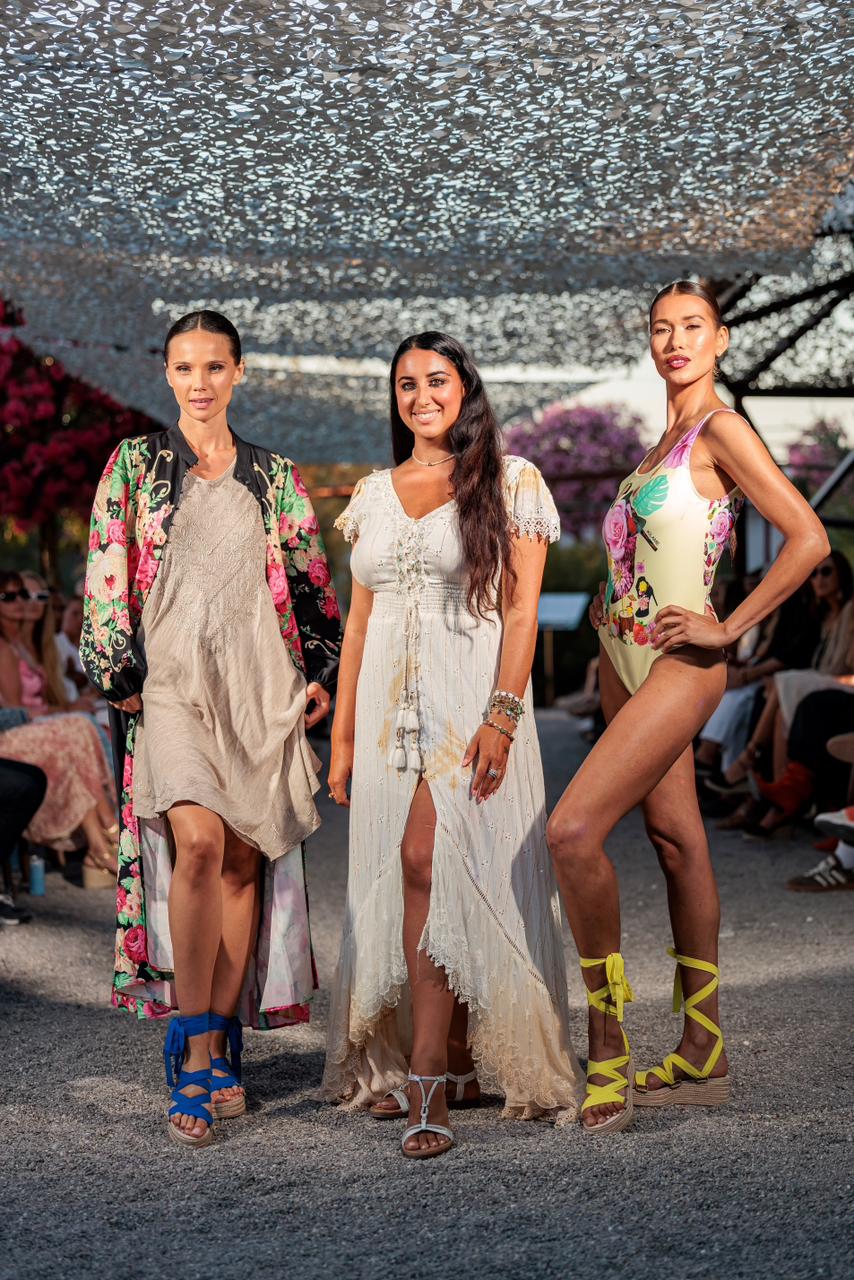
The work didn’t stay confined to shoes for long. “Over the years, my journey expanded beyond fashion into media, publishing, events, branding, and entrepreneurship,” Quinzi says. She became founder and editor-in-chief of several international magazines, authored the “The Cinderella of New York” book series, and built projects linking fashion, media, and storytelling across continents. “My career has taken me from Rome to New York, Ibiza, and Dubai, proving that creativity combined with perseverance can truly create a global journey.”
Shoes as Wearable Art
Ask Quinzi what makes Kilàme different from any other shoe label, and she doesn’t talk about heels or leather. She talks about emotion.
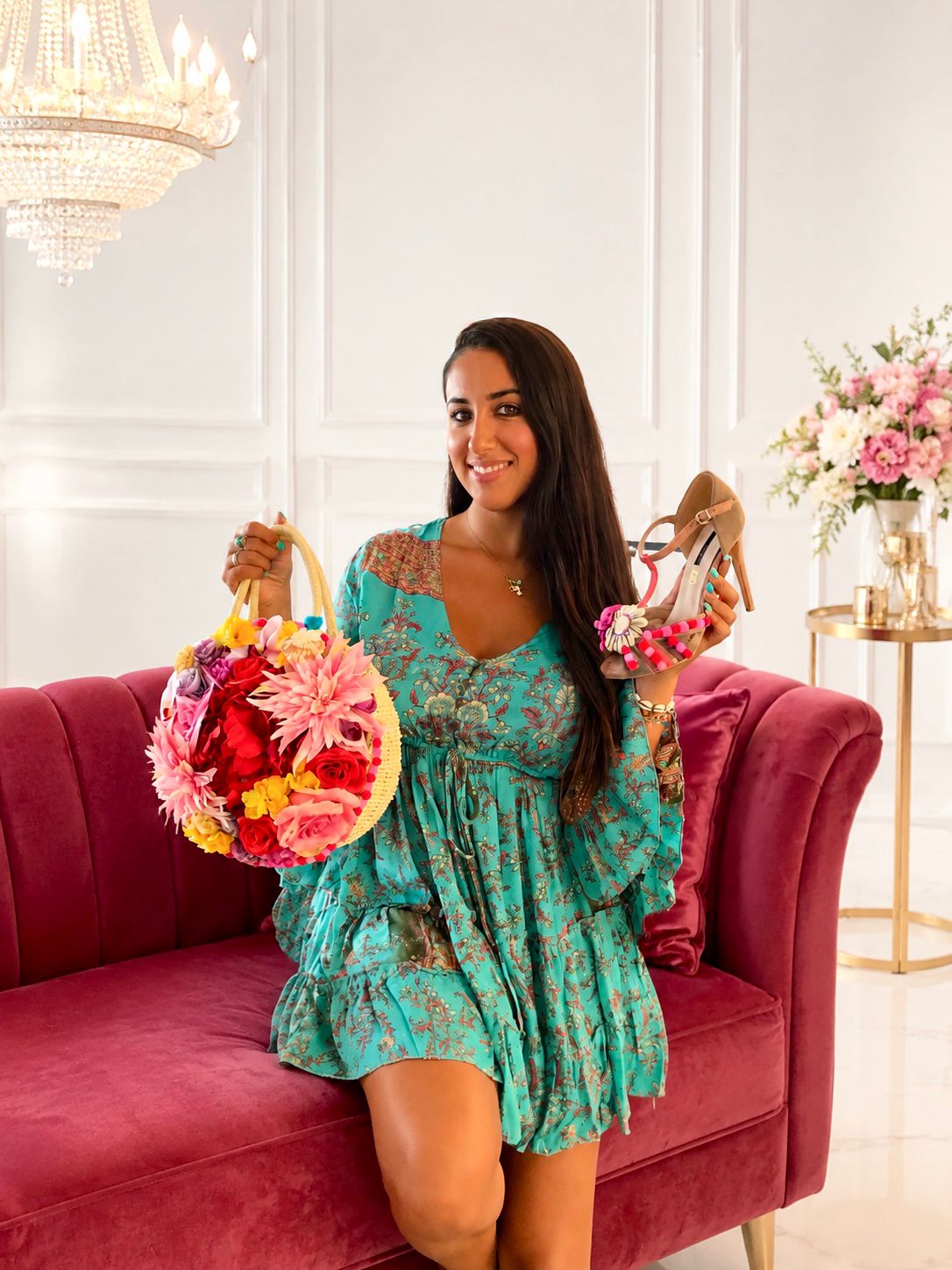
“Kilàme was born from my belief that fashion should tell stories and evoke emotions,” she says. “I never saw shoes simply as accessories; I saw them as wearable art.” Her inspirations pull from an unusually wide net: “fairytales, flowers, architecture, travel, culture, and personal experiences.” Every piece, she says, “represents a dream, a memory, or an artistic vision transformed into fashion.”
That doesn’t mean the business side gets neglected. “Balancing artistic expression with commercial success requires understanding both creativity and business,” Quinzi explains. She’s expanded her collections into “wearable products, prints, ready-to-wear pieces, accessories, and lifestyle collections” while staying anchored to the same artistic identity. Her read on why that matters commercially is direct: “Authenticity is what creates long-term value, and I believe consumers today seek emotional connections as much as they seek luxury.”
Trends Come and Go, Identity Stays
Living between Italy, New York, Ibiza, and Dubai has given Quinzi a front-row seat to how fashion shifts across cultures, but she’s careful about how much influence she lets that have over her own work.
“Travel has been one of my greatest sources of inspiration,” she says. “I constantly observe emerging trends, technology, consumer behavior, and global movements, but I never allow trends to define my identity.” Instead of chasing what’s current, she filters it through her own lens. “My creative signature remains rooted in storytelling, femininity, luxury, and artistic expression. Rather than following trends, I prefer interpreting them through the Kilàme universe. Innovation is important, but authenticity remains timeless.”
What Building an International Brand Actually Costs
Behind the red-carpet appearances is a business built largely on Quinzi’s own resilience, and she doesn’t gloss over how hard that part was.
“Building an international brand from scratch has been one of the most challenging experiences of my life, requiring resilience, strategic thinking, and personal branding,” she says. “Moving alone to New York, establishing credibility, financing creative projects, managing international expansion, and overcoming personal and professional obstacles required enormous resilience.”
The lessons from that stretch have stayed with her. “One of the biggest lessons I learned is that success rarely happens overnight. Every setback became an opportunity to reinvent myself,” Quinzi says. “Creativity alone is not enough; successful brands require strategic thinking, adaptability, leadership, and persistence. Most importantly, I learned that believing in yourself is often the first and most difficult step toward achieving extraordinary goals.”
Social Media as a Storytelling Tool
With hundreds of thousands following her journey online, Quinzi sees social media as something closer to infrastructure than marketing.
“Social media has completely transformed how creatives communicate with the world,” she says. “It has allowed me to share my journey authentically, connect directly with audiences internationally, collaborate with celebrities, and build a global community around my brand.” Through those platforms, she’s been able to “showcase my work on international red carpets, promote my magazines and books, collaborate with influencers and public figures, and create opportunities that would have been impossible through traditional channels alone.” Her conclusion: “Social media is not only a marketing tool; it is a powerful platform for storytelling, inspiration, and relationship-building.”
Where AI Ends and Human Creativity Begins
Quinzi is watching artificial intelligence reshape fashion design, retail, and personalization with genuine curiosity, but she draws a firm line around what she believes technology can’t touch.
“Artificial Intelligence will undoubtedly revolutionize many aspects of fashion, including design development, trend forecasting, personalization, production efficiency, customer experiences, and digital storytelling,” she says. “AI offers incredible opportunities for innovation and creativity.”
Still, her belief in the irreplaceable part of the craft is unshaken. “True luxury will always depend on human emotion, intuition, imagination, and personal experience,” Quinzi says. “Fashion is not only about products; it is about dreams, memories, culture, and storytelling. AI can assist creativity, but it cannot replace the emotional depth, artistic sensitivity, and human experiences that inspire truly meaningful creations. The future of fashion will likely be a collaboration between technological innovation and human creativity.”
Leading Without Controlling Everything
Having worked across fashion, media, branding, and international collaborations, Quinzi has developed her own philosophy of leadership, one built more on trust than control.
“Vision, resilience, adaptability, empathy, and perseverance have been essential throughout my journey,” she says. “Leading creative projects requires balancing artistic freedom with strategic execution. It also requires listening, inspiring others, and continuously evolving.”
She’s arrived at a clear distinction between managing and leading. “Leadership is not about controlling every aspect of a business but about empowering people, building meaningful relationships, and maintaining a clear vision even during challenging times,” Quinzi says. “The ability to adapt while remaining authentic has been one of my greatest strengths.”
Sustainability as Responsibility, Not Trend
Quinzi is blunt about where she thinks the fashion industry needs to go next, and it isn’t just about aesthetics.
“Fashion brands must embrace sustainability not only as a trend but as a responsibility,” she says. “Consumers increasingly value transparency, ethical production, quality craftsmanship, and environmental awareness.” Her vision for what comes next in the industry favors depth over volume: brands that “prioritize quality over quantity, embrace sustainable materials, support artisanal craftsmanship, reduce waste, and create products with emotional and lasting value.” As she puts it, “Innovation should focus not only on technology but also on creating more meaningful and responsible consumer experiences.”
Dubai and the Next Five Years
Looking ahead, Quinzi’s ambitions for Kilàme extend well past shoes, and Dubai occupies a specific place in that plan.
“My vision for the future is to continue expanding Kilàme as a global luxury lifestyle brand that combines fashion, art, storytelling, media, and innovation,” she says. She plans to grow “fashion collections, artistic projects, international fashion experiences, publications, and creative collaborations” in the years ahead. “I also hope to continue building bridges between cultures through fashion and media, particularly connecting Europe, the United States, and the Middle East. Dubai represents an important part of my future vision, as it embodies innovation, entrepreneurship, ambition, and global opportunity. Ultimately, my goal is to continue inspiring others to believe that extraordinary dreams can become reality.”

Advice for the Next Generation
Asked what she’d tell aspiring designers, entrepreneurs, and women leaders hoping to build something of their own, Quinzi’s answer reads like the closing note of a memoir rather than a checklist.
“Never underestimate the power of your dreams,” she says. “Success rarely follows a straight path, and challenges are inevitable. What matters most is your ability to continue believing in yourself when others may not.”
Her practical advice is grounded, even if the tone stays aspirational. “Invest in education, work hard, remain authentic, embrace change, and Never stop learning because long-term success comes from embracing bigger challenges throughout your career. Build relationships, support others, and understand that success is a marathon, not a sprint. Most importantly, never allow fear to become stronger than your dreams.”
She traces it all back to one idea that’s carried her from Rome to New York to Ibiza to Dubai. “My entire life has been guided by one simple belief: believe in your dreams, even when they seem impossible,” Quinzi says. “Vision alone is not enough—dreams become reality through courage, resilience, action, and perseverance. I have learned that success is not defined only by achievements, awards, or recognition, but by the ability to remain authentic while continuing to evolve.”
Her closing message is aimed squarely at the designers who come after her. “Never be afraid to create your own path. The world does not need copies; it needs your unique vision, your story, and your courage to bring it to life. Sometimes, the biggest risk is not taking one. Believe in your dreams, work relentlessly, and remember that extraordinary journeys often begin with a single act of faith.”