
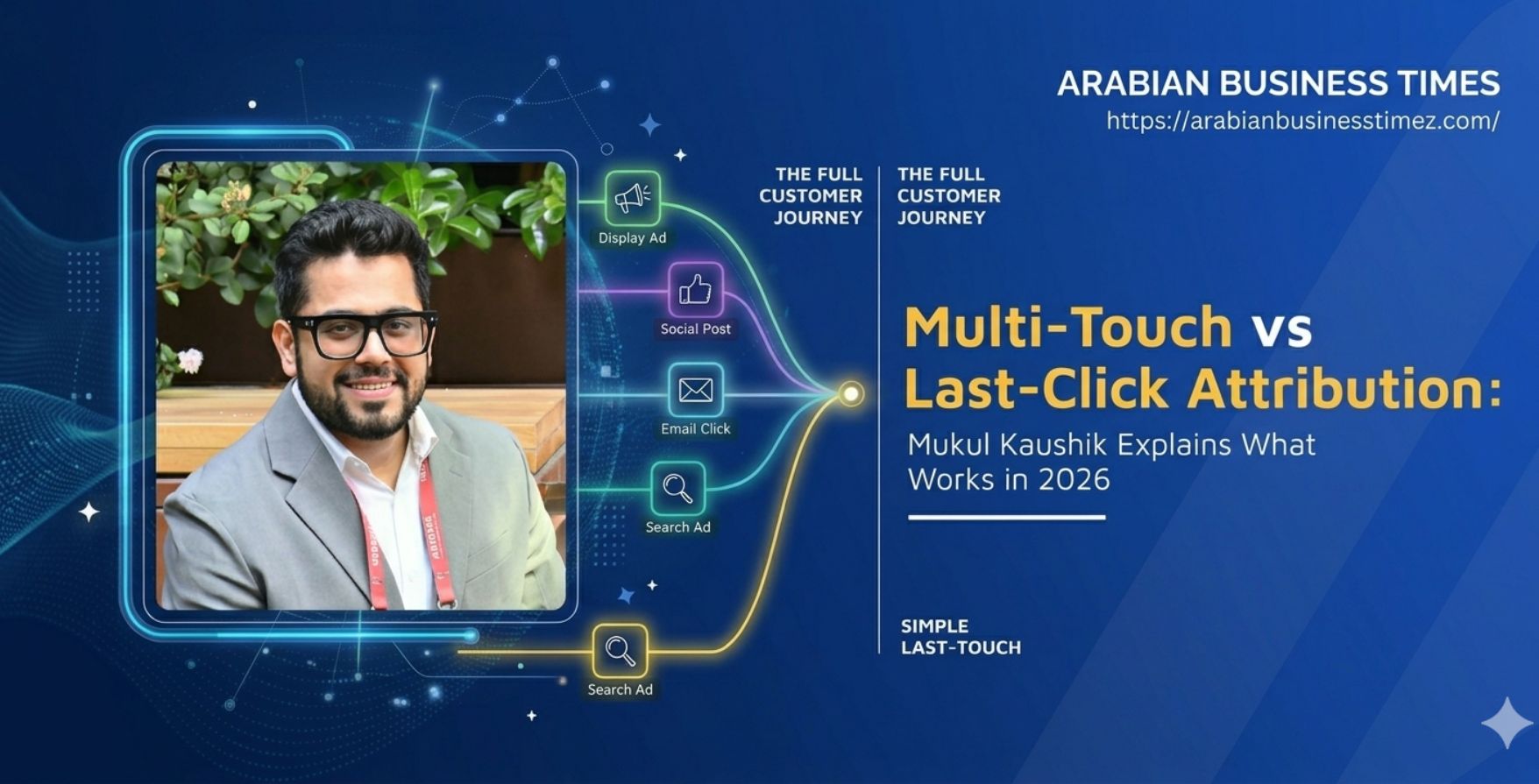
For a long time, attribution was treated as a reporting task inside marketing. A lead came in, someone checked the source, and the report moved ahead because the business had a source to attach to the lead.
That worked when journeys were shorter, and buying teams were smaller. In 2026, it is hard to believe that one click can explain how a buyer actually made a decision, especially when that buyer may have seen a LinkedIn post, read a comparison page, attended a webinar, spoken to sales, checked a partner review, searched the brand, and only then filled out a form.
This explains why attribution is no longer only about assigning credit but is slowly becoming more and more about deciding where budget should move, which partners deserve trust, which campaigns are shaping demand, and which sources are only picking up buyers who were already close to conversion.
From the point of view of a CRO, revenue does not come from organised dashboards alone; it comes from the full path that nudged a buyer from interest to confidence.
Why Does Last-Click Still Get Used?
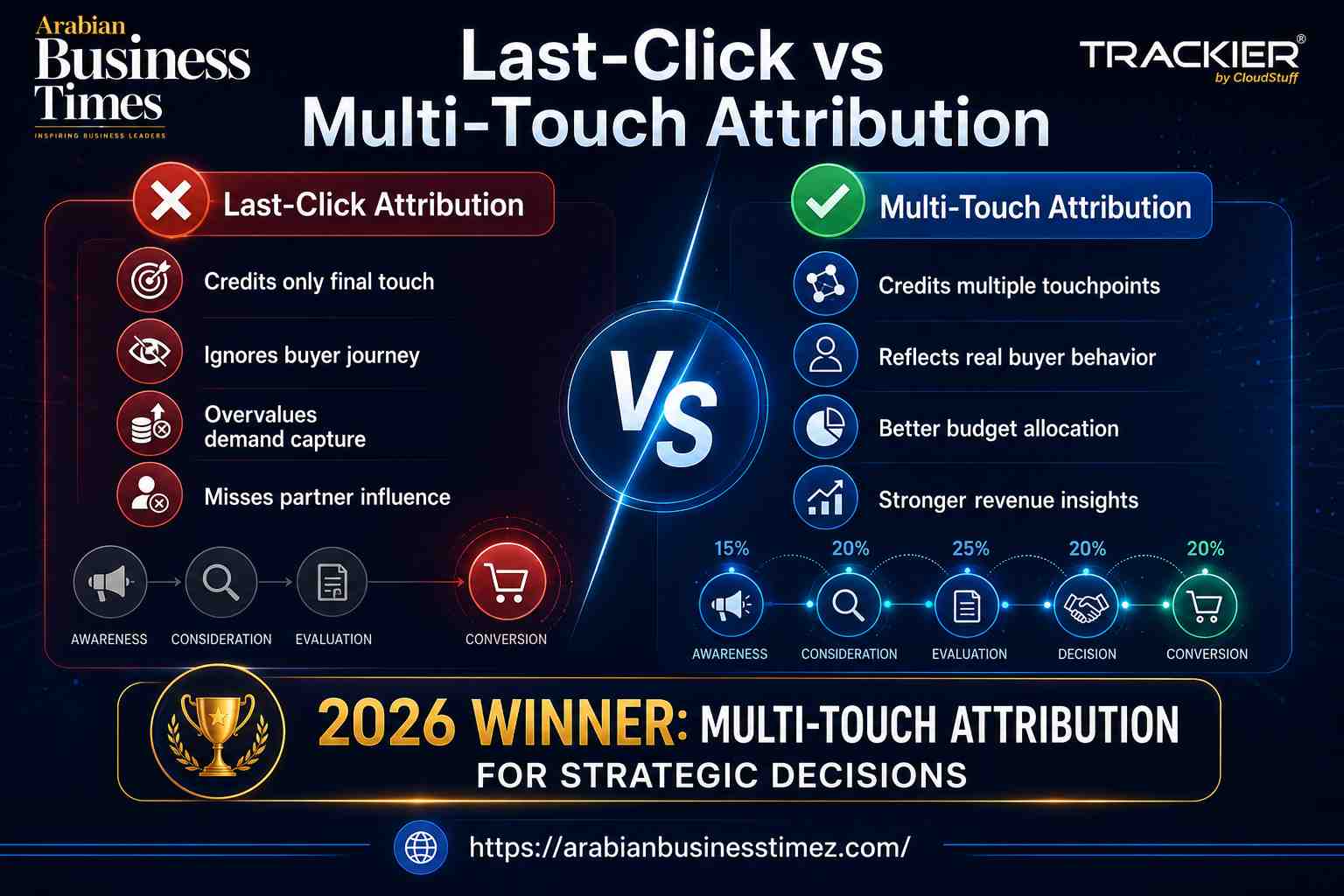
Last-click attribution survives because it is simple enough for everyone to understand. And to be fair, there is nothing wrong with using last-click for narrow questions. If a paid search campaign is built to capture high-intent demand, it can show whether it is closing that final action. If a landing page test sits close to conversion, it can help compare outcomes.
But with the last-click model, a simple model can begin to guide complex decisions, and channels near the end of the journey may start looking stronger than channels that created the interest earlier.
This can make you spend your budget on demand capture rather than on demand creation.
Where Last-Click Misreads Partner Marketing
Partner marketing is one of the best examples to see how the last-click can create the wrong behavior. This shift is also highlighted in our analysis of affiliate attribution in 2026, where marketers are moving beyond traditional last-click models.
A review partner may introduce the buyer through a detailed comparison article, the buyer may return later through branded search, speak with sales, and then click a coupon partner before conversion. In a last-click model, the coupon partner wins. The review partner helped create interest, branded search captured intent, sales handled the hesitation, and the coupon partner appeared at the final step, but the payout logic gives all the value to the last touch.
I have seen this pattern in partner program reviews where the dashboard made one set of partners look like the strongest performers, yet the sales team kept saying the best conversations were coming from somewhere else. When we looked at assisted paths and lead quality, a smaller group of content, review, and referral partners were creating better demand earlier in the journey.
For partner-led growth, “who brought us a better buyer” is the most useful question you could ask because payout rules shape partner behavior and if the system rewards only final touch capture, partners will move closer to the end of the journey because that is where all the credit sits.
Why is Multi-Touch Useful in 2026?
Multi-touch attribution is important because it accounts for how people actually buy. Buyers compare options, pause, read reviews, ask peers, attend demos, involve procurement, and come back through different channels before they actually take a measurable action. Similar buying behavior can be observed in social commerce ecosystems, where consumers interact with multiple touchpoints before making a purchase, as explored in our article on TikTok Shop and social commerce trends in 2026.
Forrester’s 2026 business buying research says procurement is a decision maker in 53% of B2B buying cycles, while more than 60% of business buyers use trials before purchase, and that cannot be understood properly through one final click.
The pattern also changes by market. In India, B2B buying often depends on trust, sales conversations, referrals, events, and product demos. In the EU, consent rules and data gaps make clean source tracking harder, so CRM discipline becomes more valuable. While in the US, buying groups are larger and teams expect proof before approving spend.
Multi-touch does not make these journeys perfect, but it gives teams a better way to see how each interaction helped.
The Measurement Trust Gap is Visible Now, More Than Ever Before
The industry has more dashboards than ever, yet many teams still do not fully trust the numbers they use for budget decisions. The IAB’s 2026 measurement work found that 60-75% of buy-side users say advanced measurement falls short on rigor, timeliness, trust, and efficiency.
I see this most often when marketing, sales, finance, and partner teams bring different numbers to the same meeting. Marketing trusts the ad platform, sales trusts the CRM, finance trusts revenue records, and the partner team trusts its own tracking view. Now, it is important to understand that none of those views is useless, but they are all talking about completely different parts of the journey.
A good attribution setup should reduce that friction. It should help the business agree on how a buyer moved, which source started the relationship, which touchpoints helped, and what happened after the lead entered the pipeline.
AI is Useful When The Basics Are Already Working
Gartner’s 2026 CMO Spend Survey found that CMOs are allocating 15.3% of marketing budgets to AI. As discussed in our article on How GCC Leaders Are Using AI to Grow Their Business, organizations are increasingly relying on AI-driven insights to improve marketing performance and decision-making., while only 30% report mature AI readiness. In attribution, this means many teams are funding smarter analysis before they have fixed the data flow that the analysis depends on.
If UTMs are inconsistent, AI reads inconsistent journeys. If partner data is incomplete, AI misses partner influence. If CRM stages are delayed, AI works with old movement. If offline leads are uploaded without clean source rules, no model can rebuild the full story later.
The useful role of AI is to speed up good judgment, not replace it. It can show patterns faster and catch issues earlier, but someone still has to ask whether the revenue quality justifies more spend. This principle applies across industries, including beauty and consumer brands, where AI-powered marketing is reshaping customer engagement strategies.
Budget is Moving Toward Easier Measurement
Gartner reported in June 2026 that awareness and conversion account for 62.6% of total media spend, while digital media now represents more than two-thirds of total media investment.
Digital channels get this share because they give faster feedback, fit better with automation, and make optimization easier to show. The risk is that teams may start treating visibility as value, even when some of the most valuable touchpoints happen before the final measurable action.
Events can build trust before a buyer enters the CRM. PR can reduce doubt before a sales call. Partner education can warm a market before paid search captures demand. Review sites can help buyers compare options before they ever click a branded ad. Content can answer questions that later make the demo more serious.
If budget moves only toward channels that are easiest to measure, companies can look efficient in the short term while weakening the early and middle parts of the journey. A multi-touch view gives teams a better chance of seeing that influence before demand starts thinning.
Where Does Incrementality Fit?
Attribution shows which touchpoints were connected to a conversion. Incrementality asks whether the activity created results that would not have happened without the spend.
Those are related questions, but they are not the same. This is why larger budget decisions should not rely only on attribution. Reports in 2026 stated that 78% of US decision makers believe at least 10% of marketing spend is wasted because of insufficient measurement, while 60% trust independent incrementality testing most among measurement options.
The practical approach is to use attribution for journey understanding and incrementality for proof when the spend is large enough to need a stronger test. This helps stop teams from overvaluing channels that are present in the path but may not be creating real lift.
What Works in 2026?
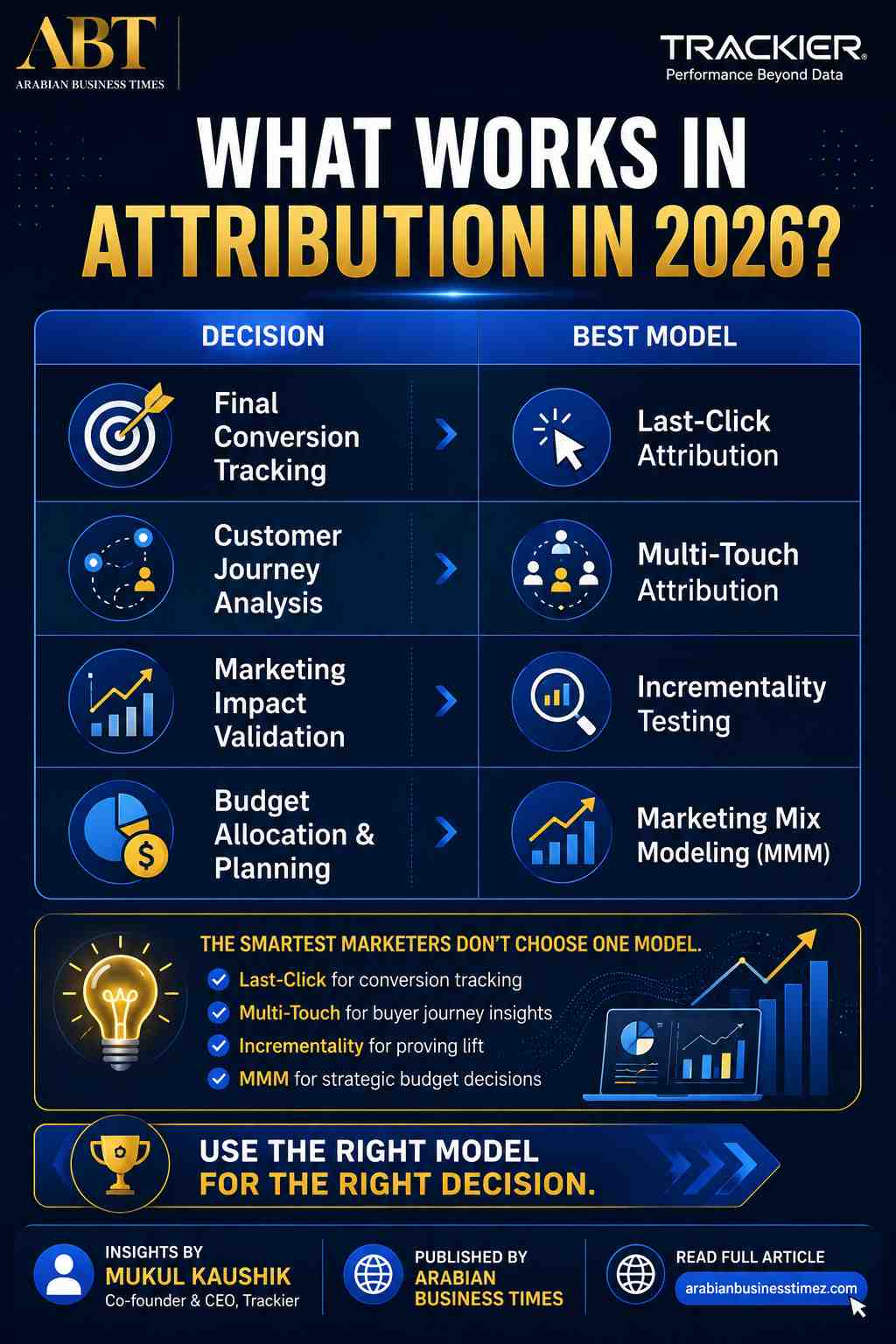
The strongest, smartest approach is using each model for the decision it can actually support.
Use last-click when you need a fast view of the final conversion source, and use multi-touch when you need to understand how the buyer moved through the journey. Use incrementality when the spend is large enough to require proof of lift and marketing mix modelling when leadership needs a broader view across regions, channels, and offline activity.
For a startup marketer, this may mean keeping the last click for simple campaign checks while cleaning CRM source rules. For a B2B SaaS CMO, it may mean connecting multi-touch attribution to MQL, SQL, opportunity, customer, and renewal data. For an agency head, it may mean showing clients how search, social, content, and partners support each other instead of fighting for the final click.
For a CXO, the question is even more direct. Can the measurement setup guide budget decisions with enough confidence, or is it only reporting activity after the fact?
The Trackier View
At Trackier, we see this shift across performance and partner-led businesses regularly. They want attribution that helps them decide where to spend, which partners to reward, which campaigns to question, and which sources bring better customers.
That requires more than click counting; it requires campaign data, partner data, conversion data, CRM movement, payout rules, fraud signals, revenue quality, and customer outcomes to connect in a way teams can actually use.
Last-click still tells a useful part of the story because it shows the final touch. Multi-touch gives a clearer view of how the buyer reached that point.
In 2026, the teams that are ready for the future will use the right model for the right decision, then bring the conversation back to revenue, quality, and trust.
Related Articles
- Affiliate Attribution is Changing in 2026
- How GCC Leaders Are Using AI to Grow Their Business
- TikTok Shop, Fragrance Brands and the Future of Social Commerce
- How AI is Changing Beauty Marketing
- International Business Expansion Strategy