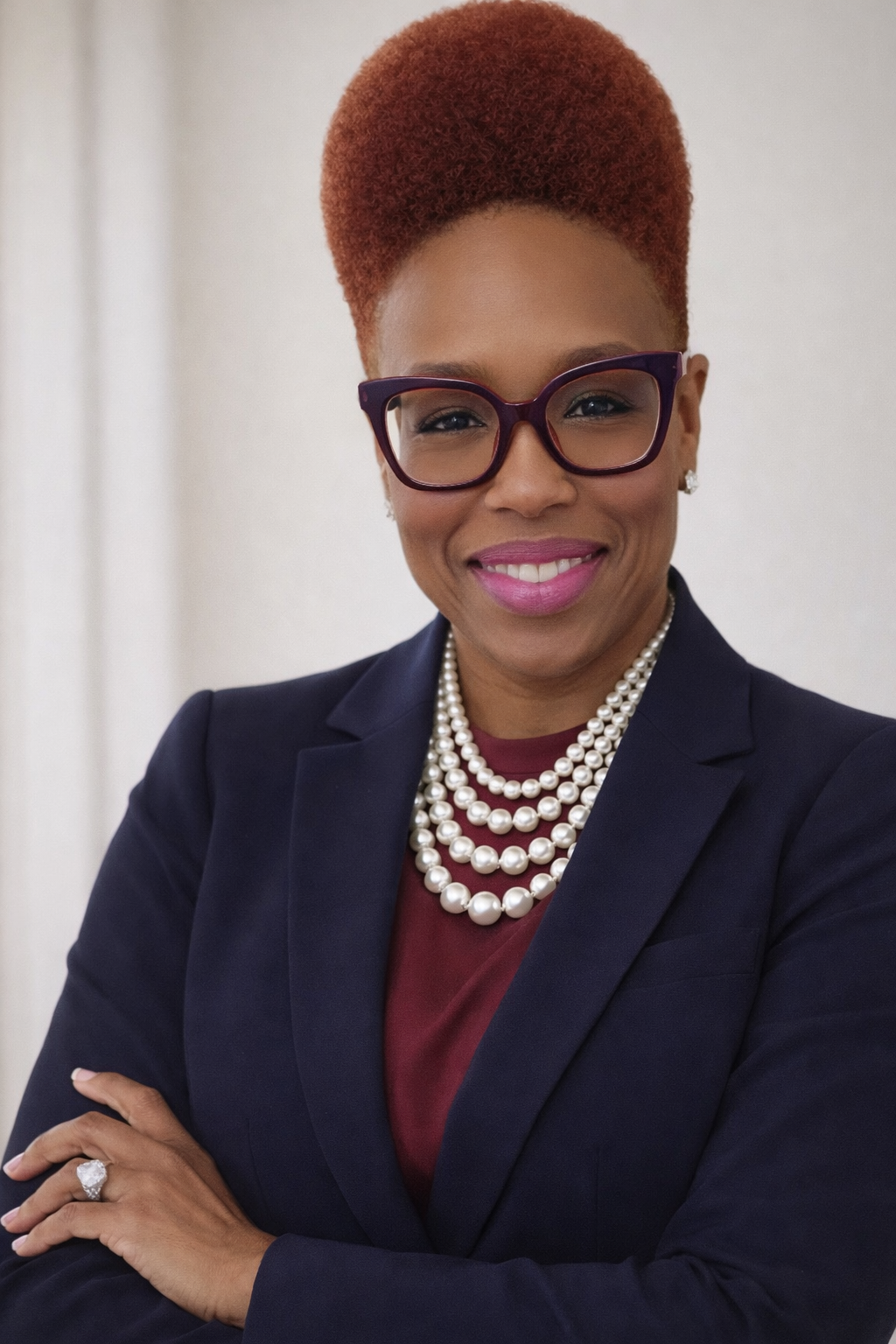
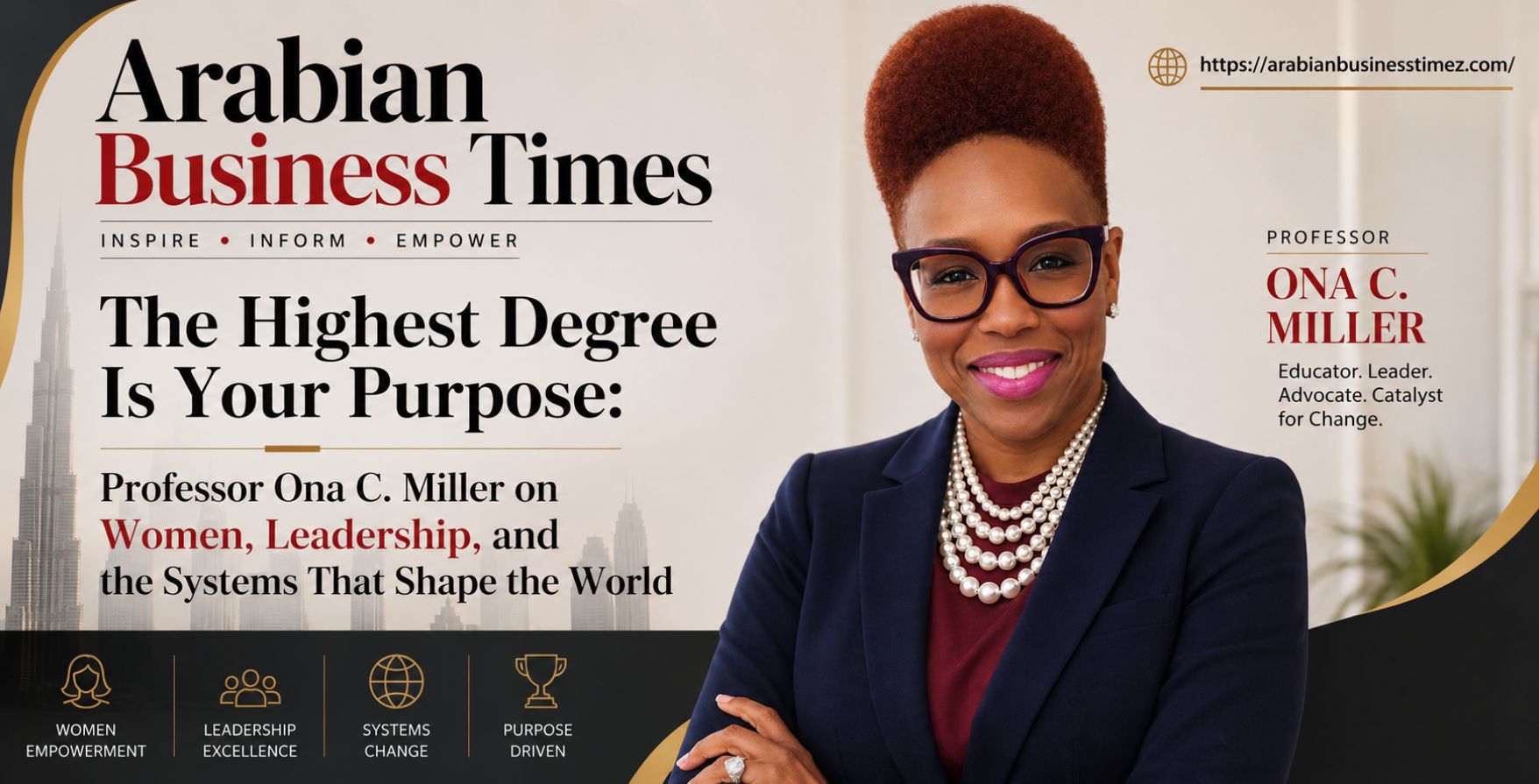
A globally recognized executive leadership advisor, educator, and founder of the Global Female Civility Leadership Institute, Professor Ona C. Miller has spent her career building the frameworks, platforms, and pathways that women leaders need to move from potential to lasting impact.
Introduction
There is a particular kind of work that does not fit neatly into a single job title. Professor Ona C. Miller knows that kind of work well. She is, depending on the moment, a global executive leadership advisor, an educator, a curriculum architect, a qualitative researcher, a policy strategist, a published author, and the founder of institutions and initiatives that span countries and cultures.
She holds a PhD in Professorship and an EdD in Education. She has published six books, three of them internationally. She is the Founder and CEO of both the Global Female Civility Leadership Institute and Conori Consults, Inc. She created the Female Civility Initiative, National Female Civility Day, PurposePhD, and the Global Library of Female Authors. And she has spent her career doing one thing consistently: working to understand how leadership systems are built, who they were built for, and how to change them so that women can lead within them, and eventually reshape them.
Her work reaches organizations, institutions, governing bodies, and national institutions across the world. At the core of all of it is a belief that has never wavered: when women lead effectively, organizations become stronger, communities become healthier, and societies become more equitable.
What Started It All: A Simple but Powerful Observation
Prof. Ona C. Miller: Professor Ona C. Miller did not arrive at this work through a single defining moment. She arrived through years of watching something happen, again and again, in organizations and institutions and boardrooms around the world.
Women with extraordinary talent, vision, and capacity were consistently underrepresented in the rooms where decisions were made and systems were shaped. That was not a coincidence, and it was not a personal failing. It was a pattern rooted in how leadership systems had been designed in the first place.
“Throughout my career as an educator, researcher, executive advisor, and organizational leader, I witnessed highly capable women navigating barriers that were often systemic rather than personal.”
That observation became a commitment. She became passionate not just about helping women develop leadership skills, but about helping them understand how leadership systems actually operate, so they could navigate those systems with knowledge rather than frustration.
Leadership, in her view, is not merely about holding a position. It is about creating influence that produces sustainable impact. That framing has shaped everything she has built since.
The Global Female Civility Leadership Institute: Built for the Long Term
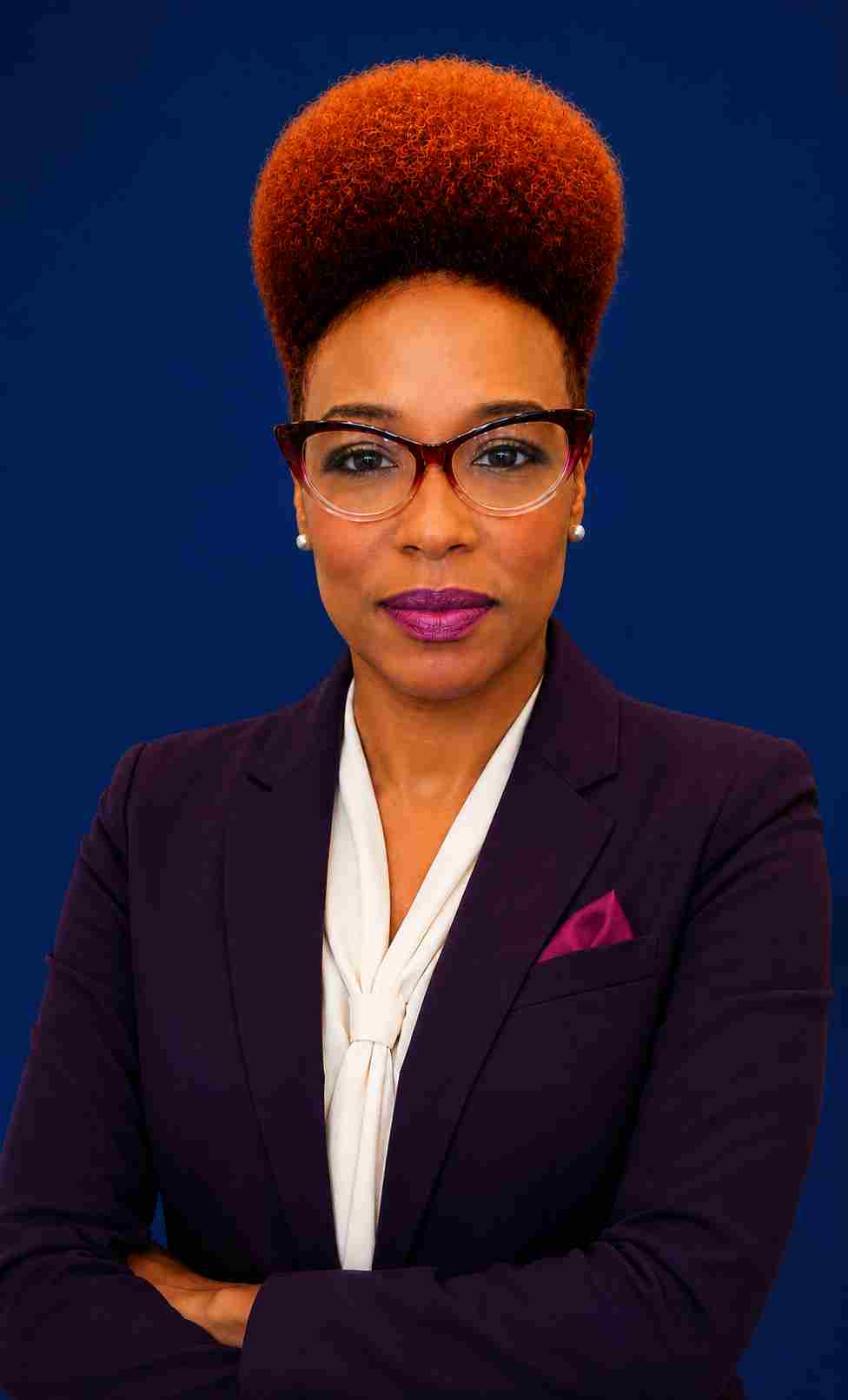
Prof. Ona C. Miller: When Professor Miller founded the Global Female Civility Leadership Institute, she had a clear and deliberate vision for what it would eventually become: a globally recognized center for female leadership education, research, policy engagement, and institutional transformation.
The work of the Institute is not focused on a single stage of a woman’s career. It is built to create pathways that support women from the earliest moments of emerging leadership all the way through to executive and governance-level roles. The goal is to develop women who are prepared not only to lead organizations, but to influence systems, policies, and societal outcomes.
The issues she is most passionate about addressing through the Institute are leadership access, educational equity, leadership sustainability, and the underrepresentation of women in governance and decision-making structures. These are not abstract concerns. They have real consequences for how institutions function and what decisions get made.
“Through strategic partnerships, research initiatives, and academic pathways, we aim to cultivate generations of women leaders capable of transforming institutions and communities worldwide.”
The Institute is built for that kind of generational thinking, not just the next programme or the next cohort, but the leaders who will still be creating impact decades from now.
The Barriers Are Consistent, and They Are Systemic
Prof. Ona C. Miller:
Professor Miller has spent years researching the barriers that prevent women from reaching senior leadership positions, and her findings point in a consistent direction regardless of region or culture.
Women often have limited access to the influential networks and sponsorship relationships that accelerate advancement. Organizational structures can unintentionally perpetuate biases about leadership potential and executive readiness, without anyone necessarily intending that outcome. Women frequently carry disproportionate caregiving responsibilities that affect the opportunities available to them at critical points in their careers.
But perhaps the most fundamental issue she identifies is this: leadership systems were often designed without ever considering women’s unique experiences and pathways to leadership. The result is that women are frequently expected to adapt themselves to fit systems that were not built with them in mind, rather than organizations evolving to actually leverage diverse leadership strengths.
“Addressing these barriers requires both individual leadership development and systemic institutional reform.”
Both parts of that sentence matter equally. Individual development alone is not enough if the systems remain unchanged. And systemic reform without individual capacity building leaves women underprepared to step into the spaces that open up.
Building Platforms That Last: The Female Civility Initiative, National Female Civility Day, and the Global Library of Female Authors
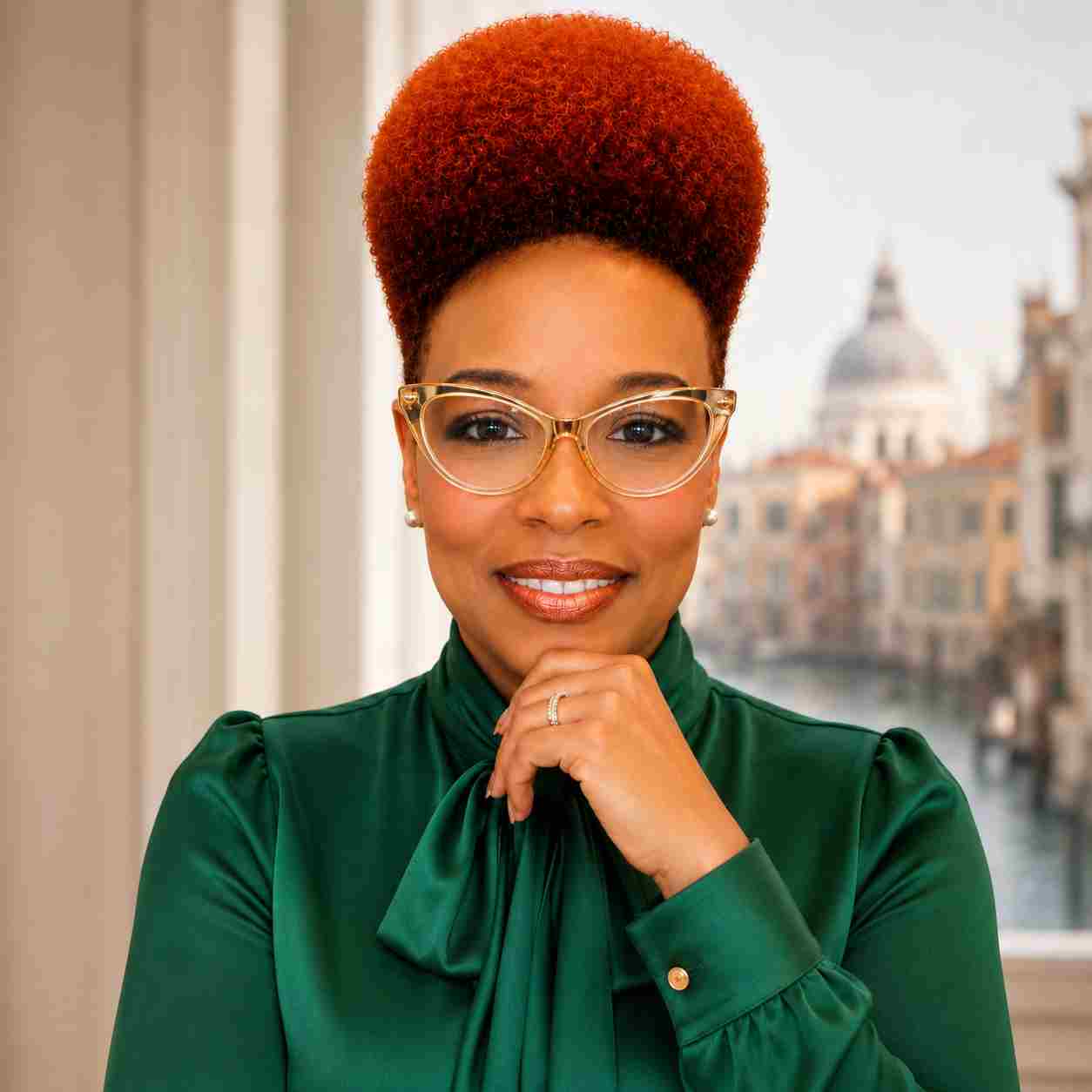
Prof. Ona C. Miller:
Each of the initiatives Professor Miller has founded was created to address a different dimension of women’s empowerment, and each fills a space that previously had little to occupy it.
The Female Civility Initiative was established to foster respectful dialogue, collaborative leadership, and constructive engagement among women across sectors and cultures. At a time when public discourse can be fractured and combative, creating intentional space for civility and collaboration is not a small thing.
National Female Civility Day was designed to recognize and celebrate the contributions women make within families, organizations, communities, and society. Recognition matters. When contributions go unseen, they also go unrewarded and unrepeated.
The Global Library of Female Authors came from something Professor Miller felt deeply: a desire to preserve and elevate women’s intellectual contributions. Throughout history, women have produced transformative ideas, and many of their voices remain underrepresented in the narratives that get passed down and taught in schools and cited in research.
“Throughout history, countless women have produced transformative ideas, yet many of their voices remain underrepresented in traditional narratives.”
Collectively, these initiatives have created platforms for visibility, education, recognition, collaboration, and global engagement among women leaders and changemakers. They are not just events or programmes. They are infrastructure for a longer movement.
Cross-Sector Collaboration Is the Only Way Forward
Prof. Ona C. Miller:
When it comes to creating more equitable leadership opportunities for women, Professor Miller is direct about what is required: no single sector can do this alone.
Governments carry the responsibility of establishing policies that support leadership equity, workforce participation, education access, and economic advancement. Educational institutions need to develop leadership pipelines that genuinely prepare women for future leadership roles, while also encouraging critical thinking, innovation, and civic engagement. Organizations must create inclusive cultures, expand mentorship and sponsorship opportunities, and ensure that pathways to advancement are actually equitable in practice, not just in policy.
“When these sectors work together, they create ecosystems that support leadership development at every stage of a woman’s journey.”
The key word in that sentence is ecosystems. Isolated initiatives, however well-designed, have limited reach. Sustainable change happens when leadership equity becomes a shared responsibility across every sector of society, not a project that belongs to any one of them.
The Skills That Will Define the Next Generation of Women Leaders
Prof. Ona C. Miller:
As a curriculum architect and researcher, Professor Miller thinks carefully about what the leaders of the future will actually need, and her answer goes well beyond technical knowledge.
The most critical skills she identifies are strategic thinking, emotional intelligence, systems thinking, adaptability, cross-cultural communication, ethical decision-making, and collaborative leadership. These are not soft skills in the dismissive sense that phrase is sometimes used. They are the capabilities that determine whether a leader can actually function effectively in a complex, interconnected world.
The ability to navigate complexity will be increasingly central. Leaders must understand how decisions ripple through interconnected systems and affect stakeholders they may never meet directly. They also need to be prepared to work with and leverage technology while maintaining the relational skills that build trust, engagement, and organizational resilience.
“The leaders who thrive will be those who can effectively balance innovation with humanity.”
That balance is not accidental. It requires deliberate development, and it requires educational environments that take both dimensions seriously.
Women, Technology, and Why This Moment Matters
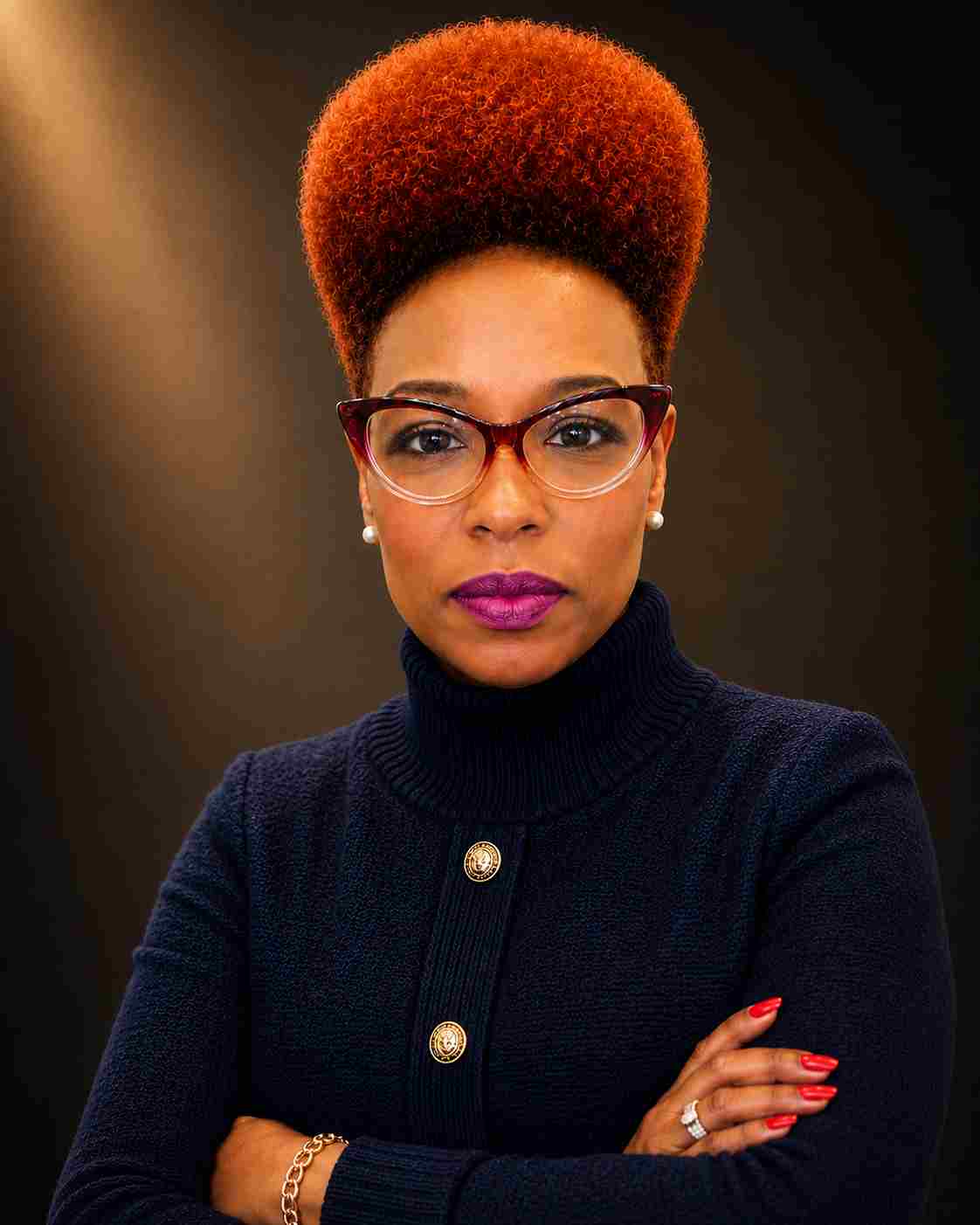
Prof. Ona C. Miller:
Artificial intelligence and digital innovation are reshaping industries, institutions, and leadership itself. Professor Miller is clear that women leaders cannot afford to be observers in that transformation.
To remain relevant and competitive, women must actively engage with emerging technologies, develop genuine digital literacy, and participate in the conversations that are shaping technological policy and governance. These conversations are happening right now, and the voices in them will determine what the technology of the next decade looks like and who it serves.
“Women have an important role to play in ensuring that technological advancement reflects diverse voices and serves society responsibly.”
But technical knowledge alone is not the full answer. The future will require leaders who bring ethical reasoning, human-centered perspectives, and inclusive decision-making into how technology is developed and implemented. Those are precisely the kinds of capabilities that women leaders who have worked in complex, underresourced environments have often had to develop out of necessity.
Women should not be asking whether they belong in technology conversations. They should be leading them.
Why Thought Leadership Is Not Optional
Prof. Ona C. Miller:
As a six-time published author and global speaker, Professor Miller has a well-considered view of why thought leadership matters, and it goes deeper than visibility.
Policies, institutions, and social movements often begin with a shift in thinking. Someone names something that was previously unnamed. Someone challenges an assumption that was previously treated as fact. Someone introduces a framework that helps others see what they could not quite articulate before. That is what thought leadership actually does.
“Thought leadership creates visibility for important issues while providing practical solutions to complex challenges. It serves as a bridge between knowledge and implementation.”
When thought leadership is grounded in evidence, integrity, and purpose, it becomes something more than influence. It becomes a catalyst for real transformation in systems and institutions.
For women in particular, claiming space as a thought leader is also a form of the work itself. It models what is possible and creates visibility for voices that have often been absent from the dominant conversation.
The Principles That Have Guided Her Throughout
Prof. Ona C. Miller:
Professor Miller has advised leaders and institutions navigating challenges of every kind, and over the course of her career, a set of consistent principles has guided her own decisions.
The first is to lead from purpose rather than position. Titles create authority, but purpose creates lasting impact. The second is that integrity must remain non-negotiable, because trust is one of the most valuable assets any leader possesses, and it is far easier to lose than to rebuild.
The third is that leadership is fundamentally about service. Effective leaders create opportunities for others to succeed. And the fourth, which she holds as seriously as any of the others, is a commitment to continuous learning.
“The moment leaders believe they have nothing left to learn is the moment growth begins to decline.”
These are not principles she arrived at quickly. They emerged from years of navigating both opportunities and challenges while remaining committed to a mission that is bigger than any single role or achievement.
The Next Decade: What She Hopes to See
Prof. Ona C. Miller:
Professor Miller’s vision for the future of women’s leadership is not modest, and she does not apologize for that.
She envisions a future where women’s leadership is no longer viewed as an exception but as an essential component of effective governance, business, education, and social development. Over the next decade, she wants to see greater representation of women in executive leadership, public policy, corporate governance, academia, and global decision-making institutions.
She also wants to see increased investment in leadership education, mentorship, and sponsorship programmes that create sustainable pathways for future generations, not just one-off opportunities but structures that keep producing new leaders over time.
“Most importantly, I hope we move beyond discussions about whether women belong in leadership and focus instead on how we can maximize the impact of women’s leadership in shaping a better future for all.”
That shift in the question is everything. It moves from a debate about inclusion to a conversation about impact. And that is the conversation Professor Miller has been working toward for her entire career.
A Closing Message
One of the guiding principles that has shaped my life is this: The highest degree is your purpose.
Achievements, titles, and recognition are meaningful, but they are most powerful when aligned with a deeper purpose. I have learned that leadership is not about becoming someone else; it is about becoming the fullest expression of who you were created to be.
My message to women is simple: do not wait for permission to lead. Invest in your growth, trust your voice, embrace your unique perspective, and remain committed to your purpose. The world needs your leadership, your ideas, and your courage.
Leadership is not defined by where you begin. It is defined by the impact you choose to create.
Key Insights
Purpose Over Position
Titles create authority, but purpose creates lasting impact. The guiding principle of Professor Miller’s career has been leading from a sense of mission rather than from a job description.
Barriers to Women in Leadership Are Systemic, Not Personal
Limited network access, organizational bias, caregiving responsibilities, and leadership systems designed without women in mind are consistent across regions and cultures. Addressing them requires both individual development and institutional reform.
Cross-Sector Collaboration Is Essential
Governments, educational institutions, and organizations each have a distinct role. Sustainable change happens when leadership equity becomes a shared responsibility, not an isolated initiative belonging to any one sector.
Women Must Lead in Technology Conversations
AI and digital innovation are reshaping every industry and institution. Women leaders who bring ethical reasoning and human-centered perspectives into technology development are not just participants—they are essential.
Thought Leadership Drives Systemic Change
Ideas shape systems. Policies, movements, and institutions often begin with a shift in thinking. When thought leadership is grounded in evidence, integrity, and purpose, it becomes a genuine catalyst for transformation.
The Future Needs Balanced Leaders
Strategic thinking, emotional intelligence, systems thinking, ethical decision-making, and collaborative leadership will define the next generation of effective leaders. Innovation and humanity are not opposites—they must work together.
The Question Has Changed
The conversation should no longer be about whether women belong in leadership. It should be about how to maximize the impact of women’s leadership in building a better world for everyone.
Conclusion
Professor Ona C. Miller has spent her career doing the kind of work that takes patience. Building institutions, changing systems, shifting the conversations that shape how leadership is understood and who gets to practice it. None of that happens quickly, and none of it happens alone.
Through the Global Female Civility Leadership Institute, the Female Civility Initiative, the Global Library of Female Authors, her books, her research, and her work advising leaders and institutions across the world, she has built something that will outlast any single programme or initiative. She has built infrastructure for a movement.
Her message to the women reading this is the same one that has guided her own life: do not wait for permission. Trust your voice. Lead from your purpose. The world needs what you came to create.
Frequently Asked Questions
Q: Who is Professor Ona C. Miller?
Professor Ona C. Miller is a globally recognized Executive Leadership Advisor, Educator, Policy Strategist, and Founder and CEO of the Global Female Civility Leadership Institute and Conori Consults, Inc. She holds a PhD in Professorship and an EdD in Education, and she is a six-time published author, including three international publications. Her work focuses on women’s leadership advancement, policy impact, and strategic positioning across organizations, institutions, and global systems.
Q: What is the Global Female Civility Leadership Institute?
The Global Female Civility Leadership Institute is a center for female leadership education, research, policy engagement, and institutional transformation. It creates pathways that support women from emerging leadership through executive and governance-level roles, developing leaders who are prepared to influence systems, policies, and societal outcomes, not just lead organizations.
Q: What is the Female Civility Initiative?
The Female Civility Initiative was established to foster respectful dialogue, collaborative leadership, and constructive engagement among women across sectors and cultures. It is part of a broader suite of initiatives founded by Professor Miller, which also includes National Female Civility Day and the Global Library of Female Authors.
Q: What is the Global Library of Female Authors?
The Global Library of Female Authors was created to preserve and elevate women’s intellectual contributions. Throughout history, women have produced transformative ideas that remain underrepresented in traditional narratives. The Library works to change that by giving those voices visibility, permanence, and reach.
Q: What are the most significant barriers women face in reaching senior leadership?
Professor Miller identifies several consistent barriers across regions and cultures: limited access to influential networks and sponsorship, organizational structures that perpetuate bias about executive readiness, disproportionate caregiving responsibilities, and leadership systems that were designed without considering women’s unique experiences and pathways. Addressing these requires both individual leadership development and systemic institutional reform.
Q: How should women leaders approach AI and technology?
Professor Miller believes women leaders must view technology as an opportunity rather than a threat. They should actively develop digital literacy, engage with emerging technologies, and participate in conversations shaping technological policy and governance. Critically, women bring ethical reasoning, human-centered perspectives, and inclusive decision-making to technology development, qualities the field needs urgently.
Q: Where can I learn more about Professor Ona C. Miller and her work?
You can explore her work and connect with her through the following: Website: www.conoriconsults.org and www.purposephd.com, LinkedIn: https://www.linkedin.com/in/professorona, Instagram: https://www.instagram.com/dronaconori, Facebook: https://www.facebook.com/ProfessorOnaCMiller
Connect with her:
- https://www.conoriconsults.org
- https://www.purposephd.com
- https://www.linkedin.com/in/professorona
- https://www.instagram.com/dronaconori
- https://www.facebook.com/ProfessorOnaCMiller
Related Interviews & Insights
- ???? Also check May Ahmed Interview
- ???? Check Larisa Magomatova Interview
- ???? Explore Dr.Amb.Diplomat Shaymaa Abdel Nabi Interview
- ???? Also check – Ammara Aftab Interview
- ???? Explore our exclusive interview with Anis Sfar on AI and Dubai’s real estate sector
- ???? Discover insights from Dr. George Syrmalis on innovation and leadership:
- ???? Read our conversation with Valia Abou Alfadel on business and transformation
- ???? Don’t miss the Monday Man Interview featuring Wasif Mazhar
- ???? Learn more about Dr. Sofica Bistriceanu
- ???? Explore the profile of Dr. Desziree Richardson